

Home Modification Tax Credits and Deductions in California
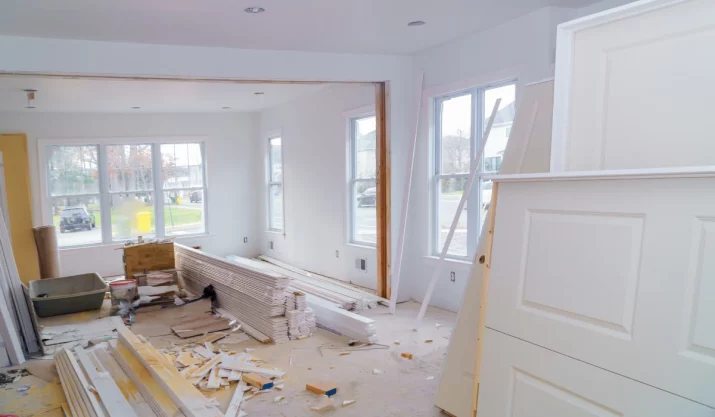
Table of Contents
When stairs, narrow doorways, or an unsafe bathroom start limiting daily life, the first concern is making the home safer. For California homeowners and family caregivers, the next question is often whether ramps, stair lifts, grab bars, or other accessibility upgrades may affect tax credits, tax deductions, or medical expense deductions.
The answer depends on the reason for the work, who uses the modification, and how the project is documented. Here’s what to review before you file or talk with a tax professional.
Key Takeaways
- Home modification tax credits and deductions in California depend on medical need, project records, and current IRS and state tax rules.
- Federal medical expense deductions often matter more for accessibility work than general home improvement credits.
- Clean energy tax credits for solar panels, heat pumps, water heaters, and energy-efficient home improvement projects follow separate rules.
- A California Mobility assessment can clarify which upgrades fit your home before you review the tax side with a professional.
California Tax Credits and Deductions to Check
Accessibility upgrades do not fit one tax category. The same home improvement can be treated differently based on medical need, records, and the taxpayer’s situation.
Federal Medical Expense Deductions
The IRS may allow medical expense deductions for certain home modification costs when the work is mainly for medical care. This can include changes that help people with disabilities use the home safely.
The expense usually matters only if you itemize on your federal tax return and your qualified medical costs meet the income tax threshold.
California State Tax Deductions
California state tax rules need their own review.
A tax professional can tell you whether the same accessibility expense affects your state tax return and how it should be handled for the right tax years. Keep records for work done for you, a spouse, or dependents.
Property Tax and Local Tax Questions
Property tax is separate from income tax.
A renovation that changes real estate value can raise questions for property owners, but accessibility work does not automatically create a property tax credit or local tax benefit. Ask your county assessor or tax pro how the specific project may be viewed.
Energy Efficiency Credits and Rebates
Clean energy programs cover a different type of home improvement. Solar panels, heat pumps, water heaters, and other energy efficiency upgrades may qualify for tax credits or rebates under rules tied to the Inflation Reduction Act.
These are separate from accessibility-focused home modification tax credits and deductions in California.
Home Accessibility Projects That May Qualify
The strongest projects solve a clear access or safety barrier. Keep the scope focused so your tax professional can separate medical-purpose work from routine home repairs.
Ramps and Entry Access
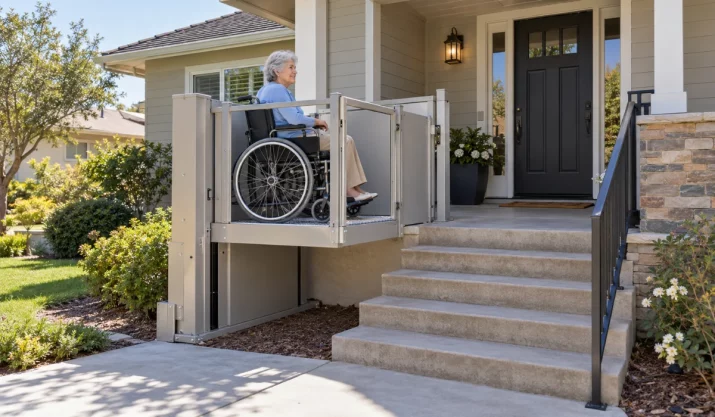
Ramps can support home accessibility when steps, raised thresholds, or uneven entry points make daily access unsafe.
Many California homes have garage steps, older porch entries, or tight exterior landings that do not work well for walkers or wheelchairs. Document the ramp as an access need, not a general exterior upgrade.
Stair Lifts and Home Lifts
Stair lifts and home lifts can matter when stairs block access to a bedroom, bathroom, laundry area, or main living space.
This is common in multi-level homes where moving downstairs is not realistic. Clear invoices help show the equipment, installation, and medical access purposes.
Bathroom Safety Changes
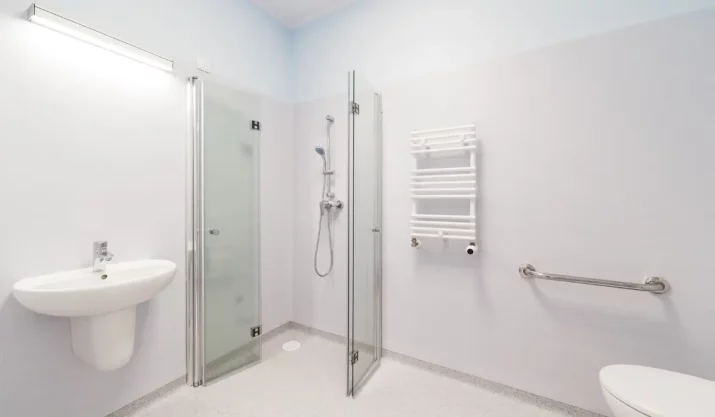
Bathroom projects may include grab bars, shower access changes, seating, or safer transfer space.
These upgrades are easier to explain when they address a documented fall risk or mobility limit. Keep cosmetic work, such as tile style or fixture upgrades, separate from safety-related costs.
Widening Doorways and Interior Retrofitting
Widening doorways and retrofitting tight interior areas can help when a wheelchair, walker, or caregiver cannot move safely through the home.
This work is different from a broad renovation. The records should connect the change to access, not general remodeling.
Documentation That Supports a Tax Claim
Strong paperwork gives your tax professional something concrete to review. Save the documents that show what was installed, why it was needed, and who paid.
Medical Recommendation
A written recommendation from a physician or qualified medical provider can connect the home modification to a specific condition.
It should describe the need in plain language, such as wheelchair access, fall risk, limited stair use, or safer bathroom transfers.
Itemized Invoices and Payment Records
Itemized invoices should separate equipment, labor, permits, and related construction. Save receipts, canceled checks, financing documents, and rebate paperwork.
If part of the project was cosmetic, ask for that cost to be separated from the accessibility portion before tax time.
Property Value Information
Some home accessibility work can affect real estate value.
Your tax pro may ask whether the upgrade increased the home’s value and by how much. An appraisal, contractor detail, or other reasonable property information can help separate deductible medical costs from added value.
IRS Form and Return Records
Keep the IRS form, worksheets, and notes used for your federal tax return.
Save the same backup for state tax records. Renters, rental property owners, nonprofit programs, tax-exempt funding sources, and third-party payment help all need clear records showing who paid and who benefited.
Request a California Mobility Home Assessment
A California Mobility home assessment helps identify the access barriers before you spend money. A trained team member can look at stairs, entries, bathrooms, doorways, and daily movement patterns, then explain which options fit the home. That may include stair lifts, ramps, home lifts, or safer access changes.
This assessment is not tax advice. It gives you clear project details to bring to a tax professional before filing. Ask how the work may affect tax liability, eligibility, medical expense deductions, and records for the right tax years.
To get started, contact California Mobility and request a home accessibility assessment.