

Smart Home Safety Ideas for San Diego Seniors
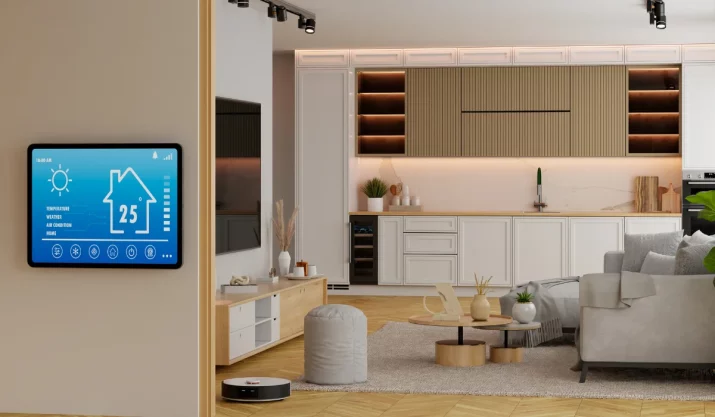
Table of Contents
For many San Diego families, helping an aging parent stay at home starts with small warning signs. A hallway feels too dark, a porch step becomes harder to manage, or a missed dose raises concern for caregivers.
Smart home safety can help when it supports the way your loved one already moves through the house. The right mix of lighting, alerts, accessibility upgrades, and mobility support can make daily life safer without making the home feel complicated.
Key Takeaways
- Smart home safety ideas for San Diego seniors work best when they match real habits, not when they add complicated technology.
- Smart lighting, motion sensors, voice commands, wearable alerts, and smart home devices can help caregivers respond faster.
- Stairs, thresholds, bathrooms, and nighttime routes often show where mobility support is needed most.
- Stair lifts, ramps, or home lifts solve access problems that monitoring systems alone cannot fix.
Smart Safety Ideas for Daily Mobility
The best smart home technology fits the way your parent already moves, rest, and ask for help. It should make common tasks easier without adding more steps to remember.
Use Smart Lighting for Safer Walking Paths
Smart lighting helps older adults move through bedrooms, hallways, kitchens, and bathrooms without reaching for switches in the dark.
Motion sensors can help with late-night bathroom trips and early morning routines. Voice control through Amazon Alexa, Amazon Echo, or Google Nest also lets seniors living at home turn on lights before they stand up.
Add Voice-Activated Support for Daily Tasks
Voice-activated assistants can help when a phone, remote, or light switch is out of reach.
With voice commands, your parents can call family members, set medication reminders, control smart plugs, adjust smart thermostats, or ask for help from one place. Keep the functions simple so the system improves ease of use instead of creating frustration.
Consider Wearable Fall Detection and Alerts
A wearable medical alert pendant or other device with fall detection can help when your loved one is alone. Some monitoring systems send real-time notifications to emergency contacts, emergency services, or responders.
These smart home devices can support independent living and give family caregivers peace of mind without replacing in-home care.
Where the San Diego Home Creates Mobility Risks
Many San Diego homes were not built around long-term mobility needs. Split levels, raised entries, older bathrooms, and tight indoor turns can become harder as balance, strength, or vision changes.
Stairs Between Living Areas
Stairs often become a daily barrier before a parent says they need help. You may notice them sleeping downstairs, avoiding laundry, or gripping the railing longer than before.
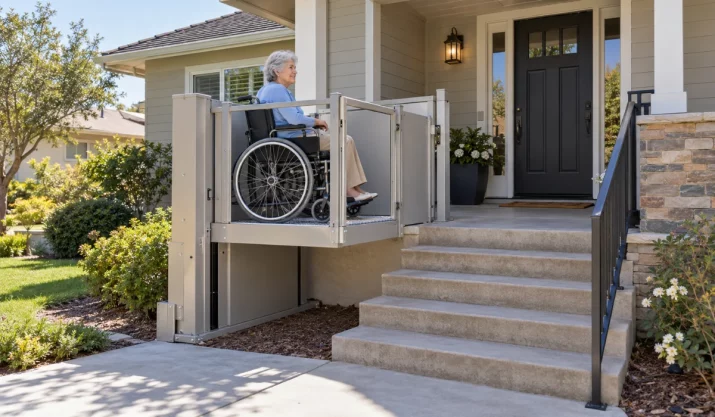
An indoor stair lift can restore safer access between levels, and an outdoor stair lift may help when the main entry includes exterior steps.
Entryways, Patios, and Thresholds
Front steps, garage entries, patio doors, and raised thresholds can be difficult for older people using a walker, cane, or wheelchair. Ramps can make these transitions smoother when there is enough space for a safe slope and landing.
The right fit depends on the doorway, turning space, surface, and how your parent enters the home most often.
Bathrooms and Nighttime Routes
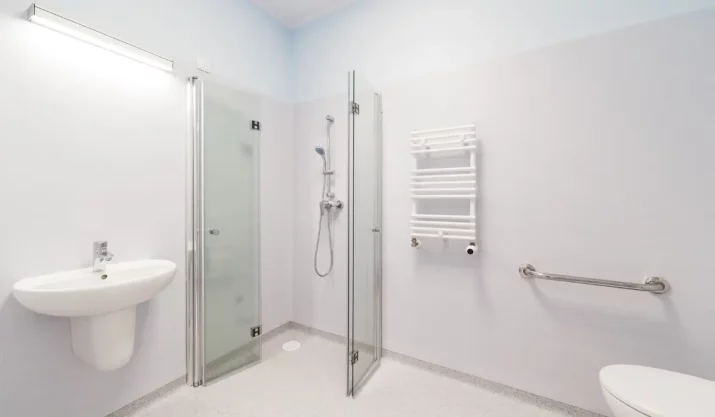
Bathrooms create risk because slick floors, tight spaces, and tired movement often meet at the same time. Smart lighting, motion sensors, and voice-activated lighting can improve the route, but the path also needs to stay clear.
Strong home safety planning looks at the bedroom-to-bathroom route, not just the bathroom itself.
How to Choose Practical Home Accessibility Upgrades
A useful accessibility upgrade should solve a problem your parents already have. Start with what slows them down, where they ask for help, and which parts of the home they avoid.
Start with the Daily Trouble Spots
Look for patterns in daily life. A parent may stop using an upstairs bedroom, avoid the patio, struggle at the front step, or need help getting from the garage into the house.
Those signs show where home accessibility upgrades can support aging in place and improve quality of life.
Match Smart Devices to Comfort Level
Smart technology only helps when your parents will use it. Smart locks, video doorbells, security cameras, smoke detectors, carbon monoxide alarms, water leak sensors, smart plugs, and a home security system should feel clear and manageable.
Remote control and notifications can help family members check on well-being, but the setup should stay simple.
Combine Mobility Products with Monitoring Support
Smart home systems can send alerts, but they cannot remove a physical barrier. Stair lifts, ramps, and home lifts address access problems directly.
Health monitoring, telehealth tools, medication management, pill dispensers, and voice-activated assistants can then support wellness, senior safety, and safer routines around those mobility improvements.
Schedule a San Diego Home Mobility Assessment
A home mobility assessment helps you stop guessing. A trained professional can inspect the home, identify fall-risk areas, review stairs and entry points, and explain which upgrades fit your loved one’s mobility, habits, and layout.
For San Diego family caregivers, that may include stair lifts, ramps, home lifts, lighting improvements, and other practical home safety changes.
California Mobility can help you find what is creating the risk, understand which fixes make sense, and choose the next step that best supports safer aging in place at home.