

Shower Stool or Chair and Why Backless Is Not for Everyone
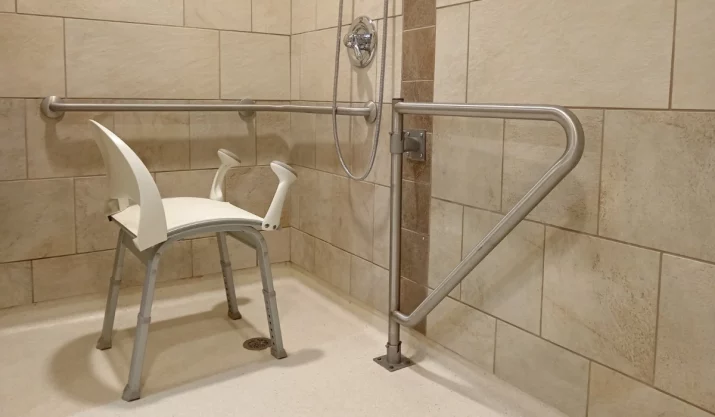
Table of Contents
- Shower Stool vs. Shower Chair: What's the Difference?
- Why a Backless Shower Stool Isn't Right for Everyone
- When Is a Shower Stool the Better Choice?
- Features to Look for in a Shower Stool or Chair
- How to Make Shower Seating Safer
- Choosing the Right Shower Stool or Chair for Your Home
- Frequently Asked Questions About Shower Stools
You try to reach down to wash your feet, then realize you have nothing to lean against. That’s where the difference between a backless shower stool and a chair becomes apparent. Choosing the right seat means looking at your strength, transfer ability, bathroom layout, and the safety features that make bathing more manageable.
A shower stool works well if you can sit steadily without back support and mainly need a break from standing. A shower chair is often the better choice when you have trouble maintaining your balance, tire easily, or need armrests to help with sitting and standing.
Key Takeaways
- A shower stool suits people with good seated balance. Its compact, backless design provides a place to rest but offers limited support when leaning or shifting position.
- A shower chair provides more support for certain mobility needs. Backrests help with upright positioning, while properly designed armrests may assist people who have difficulty sitting down or standing up.
- The right setup involves more than choosing a seat. Adjustable height, non-slip feet, weight limits, grab bars, and handheld showerheads all deserve attention when planning for safer bathing.
Shower Stool vs. Shower Chair: What’s the Difference?
A shower stool typically has three or four legs and a seat without a backrest. Many models are lightweight, height-adjustable, and compact enough for a smaller shower stall. They’re generally suited to people who can remain seated independently but find standing through an entire shower uncomfortable.
A shower chair has a similar purpose but usually includes a backrest, with armrests available on certain models. These features can provide extra support for someone who struggles to remain upright or needs suitable handholds when changing positions. The trade-off is size, since chairs often take up more floor space.
| Feature | Shower Stool | Shower Chair |
| Back support | Usually absent | Commonly included |
| Armrests | Usually absent | Available on some models |
| Size | Compact, often lightweight | Generally larger |
| Seated balance | Requires more independent control | Backrest provides additional postural support |
| Sitting and standing | Limited built-in support | Suitable armrests may assist |
| Best suited for | People who sit steadily without support | People who benefit from back or arm support |
| Main limitation | No backrest to lean against | May not fit narrow shower spaces |
Consider two people who have trouble standing long enough to shower. One can sit comfortably and move without losing balance, while the other needs to lean against something after a few minutes. Although both need a shower seat, the second person may benefit more from a chair with a backrest.
Why a Backless Shower Stool Isn’t Right for Everyone
A backless shower stool leaves your upper body free to move, which can make washing convenient. However, that freedom also means you must maintain your posture without support from behind. This becomes more challenging when balance, strength, or endurance is limited.
Limited Sitting Balance
Bathing involves more movement than sitting at a dining table. You lean forward to wash your legs, turn to reach the showerhead, and lift your arms to rinse your hair. Each movement changes how your weight is distributed across the seat.
A shower chair with a backrest offers additional postural support during these activities. However, a backrest alone may not be enough if you frequently slide sideways, lose your seated balance, or cannot remain upright without assistance.
Muscle Weakness and Fatigue
You might feel steady when you first sit down but find yourself leaning against the shower wall several minutes later. Weakness, pain, or reduced endurance can make unsupported sitting uncomfortable, even when you have no difficulty sitting for shorter periods.
A shower chair with back support can reduce some of the effort needed to maintain an upright position. Models with armrests may also give you somewhere to rest your arms between washing tasks, making longer showers less demanding.
Difficulty Sitting Down or Standing Up
Lowering yourself onto a seat requires control, especially when your knees or hips are stiff or painful. Standing again involves shifting your weight forward and using enough leg strength to rise safely.
A shower chair with arms designed for transfers may provide useful hand support during these movements. However, some armrests are intended only for positioning, not bearing body weight. Always check the manufacturer’s instructions before pushing against them to stand.
If you need physical assistance to transfer, have experienced repeated falls, or struggle to sit upright, an occupational therapist can assess whether standard shower seating meets your needs.
When Is a Shower Stool the Better Choice?
A shower stool can be a practical option if your main challenge is standing endurance rather than sitting balance. You may walk around your home independently but need somewhere to rest while washing your hair or shaving your legs. In that situation, a backless seat provides relief without adding unnecessary bulk.
Its smaller design can also be convenient in a California home with a compact walk-in shower. Some stools are easier to remove when other household members need the space. Just make sure the stool remains stable on the shower floor and doesn’t restrict access to the door or controls.
When Another Type of Seat Makes More Sense
A shower stool or standard chair may not solve the difficulty of entering a bathtub-shower combination. If stepping over the tub wall is the main obstacle, a transfer bench could be more appropriate. These benches are designed to help certain users move across the tub edge while seated.
The best equipment depends on whether you can transfer independently, how your bathroom is arranged, and whether someone assists you. Don’t assume that adding a backrest will solve a problem caused by limited leg movement or a difficult shower entrance.
Features to Look for in a Shower Stool or Chair
The right seating style is only part of the decision. Even a supportive shower chair can be difficult to use if the height is wrong, the feet don’t sit securely, or the seat is too narrow.
Adjustable Height and Seat Position
Your feet should rest firmly on the shower floor while you’re seated. If the seat is too high, your feet may not provide enough support. If it’s too low, standing up can put greater demands on your knees and leg muscles.
Choose a model with a suitable adjustment range and secure locking mechanisms. Follow the manufacturer’s instructions for setting the legs correctly, especially if the product has restrictions on their positioning.
Non-Slip Feet and a Stable Base
Many shower stools and chairs have rubber feet designed to resist sliding on wet surfaces. These can improve grip, but they don’t guarantee stability on every type of flooring.
Before sitting, check that the seat doesn’t rock or shift. Inspect the rubber tips regularly for cracks or wear, and replace damaged parts according to the manufacturer’s recommendations. Uneven shower floors may require a different seating solution.
Weight Capacity and Seat Dimensions
Shower stools and chairs have manufacturer-specified weight limits that vary by model. Check the rated capacity for the exact product rather than assuming that similar-looking seats can support the same weight.
Measure the shower floor, doorway, and available space around the seat. You’ll need enough room to position your feet and stand without hitting nearby fixtures. If a caregiver assists with bathing, account for the space they need as well.
How to Make Shower Seating Safer
A shower stool or chair helps reduce the time you spend standing, but the surrounding bathroom still affects how comfortably you can bathe.
A historical Centers for Disease Control and Prevention (CDC) study estimated that approximately 234,094 people aged 15 and older received emergency department treatment for nonfatal bathroom injuries. Falls accounted for 81.1% of those injuries. The findings reinforce the value of considering bathroom hazards beyond the shower seat itself.
Install Grab Bars for Support
Grab bars provide dedicated handholds when entering the shower, changing positions, or getting up from a seat. Placement should match your movements and the shower layout. Have them secured to suitable structural supports, and never rely on towel racks or ordinary bathroom fixtures to hold your body weight.
Use a Handheld Showerhead
A handheld showerhead allows you to direct water while remaining seated. Instead of repeatedly leaning toward a fixed spray, you can bring the water closer to the areas you’re washing.
Look for a hose long enough to reach comfortably from your seat and controls you can operate without stretching. Keep soap, shampoo, and other essentials within easy reach to limit unnecessary leaning and twisting.
Consider the Shower Entrance
A chair with excellent back support won’t fix a shower entrance that’s difficult to navigate. High bathtub walls, narrow openings, and limited room for transfers can remain obstacles even after adding seating.
For some homeowners, changes to the bathing area may be more useful than buying another portable seat. An accessible shower entrance, suitable transfer equipment, or better-positioned supports can address problems that a stool or chair alone cannot solve.
Choosing the Right Shower Stool or Chair for Your Home
A shower stool may be enough when you can sit steadily and move without assistance. If you need help maintaining your posture or getting up from a seated position, a shower chair with appropriate support deserves closer consideration. Whichever you choose, make sure the height, weight capacity, and dimensions suit your needs.
For significant balance problems, weakness, or difficult transfers, consult an occupational therapist before purchasing. An assessment can help determine whether a standard seat, transfer bench, or other bathroom modification is appropriate.
California Mobility helps California homeowners address changing mobility needs with home accessibility solutions, such as home lifts, stair lifts, and ramps. If you’re considering bathroom safety upgrades as part of a wider effort to make your home easier to navigate, contact California Mobility to discuss your accessibility goals and available options.