

Grab Bar Placement Guide for San Diego Bathrooms
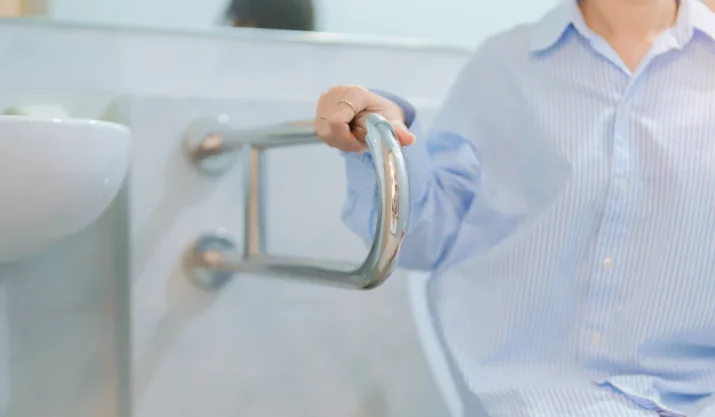
Table of Contents
When you’re helping an aging parent, spouse, or loved one use the bathroom safely, the hardest moments are often the ordinary ones: standing from the toilet, stepping into a bathtub, turning in the shower, or reaching for the faucet.
For many San Diego homeowners and caregivers, this grab bar placement guide is really about finding the right support points in a bathroom that already has tile, drywall, tight clearances, and fixtures in place.
The goal is simple: install grab bars where they support real daily movement, not just where they fit on the wall.
Key Takeaways
- Grab bar placement should match real daily movements, including sitting, standing, stepping, turning, and reaching.
- Toilet, shower, and bathtub areas each need different support because the body moves differently in each space.
- Drywall, towel bars, and suction cups should not be trusted for body weight or balance recovery.
- ADA standards can guide safer planning, but final placement depends on the person, bathroom layout, wall structure, and mobility needs.
Grab Bar Placement by Bathroom Zone
Each bathroom zone needs support placed around the movement that happens there.
Toilet Area
A side wall grab bar near the toilet should support the push from a seated position to standing. If your loved one has one stronger side, the bar should sit where that arm can work without twisting.
A rear wall or back wall grab bar can help with steadying, but it should not replace the main support point on the side wall when that wall is available.
Shower Area
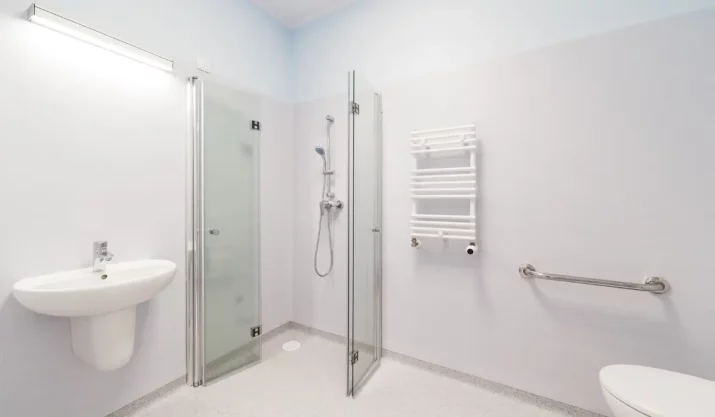
Shower grab bars should help with entry, balance, and movement inside the shower wall.
- A vertical grab bar near the opening gives the user support while stepping in.
- A horizontal grab bar along the side wall supports standing, turning, and rinsing.
If there is a shower seat, the bar should be reachable from the seated position without leaning toward the shower head or faucet.
Bathtub Area
Bathtub grab bar placement should focus on the step-over motion first.
A vertical grab bar near the tub edge can help the user lift one leg over the wall without grabbing towel bars or the shower door frame. A horizontal grab bar along the long side wall helps once both feet are inside the bathtub, especially on wet surfaces.
Support Points for Daily Movement
Good grab bar placement follows the person’s routine, not a one-size-fits-all diagram.
Sitting and Standing
The proper grab bar for sitting and standing needs to line up with the user’s reach, shoulder strength, and toilet height.
- If the bar sits too high, it can pull the person upward at an awkward angle.
- If it sits too far forward, it may not help during the hardest part of the stand.
Finished floor height and available side wall space both affect final placement.
Turning and Steadying
Many bathroom falls happen during small turns, especially when someone is wet, tired, or moving carefully after surgery. A horizontal grab bar inside the shower gives steady contact while turning to rinse, reach soap, or adjust the shower head.
In compact San Diego bathrooms, the bar also needs to avoid crowding the walking path.
Entering and Exiting
Entry points often call for a vertical grab bar because the hand can slide naturally as the body moves. This can help at shower openings, tub edges, and small threshold changes.
A floor-to-ceiling support may fit certain layouts, but it should be checked for clear access, reach, and whether it interferes with walkers, shower seats, or other equipment.
Safe Mounting and Bathroom Fit
The best location only works when the wall and hardware can carry the load safely.
Wall Structure
Proper installation depends on what is behind the wall, not just the tile you can see. Grab bar installation should connect to wall studs, blocking, or approved anchoring that meets the needed weight capacity.
During renovations or bathroom remodeling, adding backing before the wall is closed can make future bathroom grab bars easier to place where support is actually needed.
Unsafe Substitutes
Towel bars are not made to hold body weight. They can pull loose when someone grabs them during a slip or sudden loss of balance. Suction cups can also be unreliable on damp tile, grout lines, or textured surfaces.
For home safety, choose wall-mounted grab bars designed for support instead of temporary accessories.
ADA Guidance
The Americans with Disabilities Act standards give helpful reference points for height, reach, and clearance. A private home does not always need to be ADA-compliant, but ADA guidance can help you make safer choices.
Local building code and specific requirements may also apply when renovations involve walls, plumbing, or fixture changes.
Schedule a San Diego In-Home Assessment
A bathroom that looks straightforward can still have hidden placement issues. Tile may cover framing. Drywall may not have the right backing. A shower seat, toilet height, or recent change in mobility can shift where support should go.
California Mobility can assess your San Diego bathroom and identify the safest places to install grab bars for daily use.
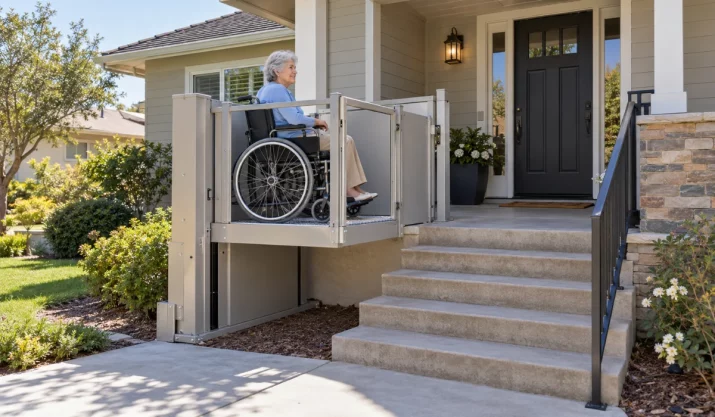
An in-home assessment can show what the walls can support, where proper grab bar placement makes the most sense, and whether related accessibility solutions, such as ramps, stair lifts, or home lifts, belong in the next step for aging in place.