

What a Smart Bed Frame Can Do for Sleep After 65

Table of Contents
A smart bed frame can make everyday routines more comfortable after 65 by letting you adjust your sleeping position, control your bed with a remote, and use features such as sleep tracking and nighttime lighting. Some models also offer controls that make it easier for a caregiver to help you change positions.
If you’ve started piling up pillows to read comfortably or reaching for a lamp during nighttime bathroom trips, these features might be worth considering. The challenge is finding a bed that fits your mobility needs without paying for technology you’ll rarely use. Understanding how the features work, what they cost, and where their limitations lie can help you choose wisely.
Key Takeaways
- Adjustable positions offer more control over comfort. A smart bed frame can raise your head or legs, save preferred positions, and make activities such as reading in bed more convenient.
- Accessibility features vary significantly. Under-bed lighting, simple remotes, and caregiver controls can make nighttime routines easier, but most adjustable bases can’t raise or lower the entire bed.
- The best choice depends on your needs and budget. Compare mattress compatibility, bed height, installation requirements, and ongoing costs before investing in advanced features.
What Can a Smart Bed Frame Do for Seniors?
Unlike a traditional bed frame, a smart bed frame may combine motorized adjustments with electronic controls, sensors, or connected technology. The exact features depend on the model. Some provide basic head and foot adjustments, while others include sleep monitoring, automated settings, and smartphone connectivity.
For older adults, these features are most useful when they address specific challenges. Someone who enjoys reading before bed might appreciate adjustable positioning. A person who frequently gets up at night may find under-bed lighting more practical than a sleep tracking app.
Adjustable Positions for Everyday Comfort
An adjustable bed frame lets you raise or lower the head and foot sections using a remote or another compatible control. Instead of arranging several pillows behind your shoulders, you can change the angle of the mattress until you find a comfortable position.
Some models offer memory presets, so you can return to your preferred reading or resting position with one button. These adjustments may improve personal comfort, although they shouldn’t be treated as a solution for medical conditions such as chronic back pain or sleep apnea.
Sleep Tracking and Monitoring
Certain smart beds use sensors to estimate sleep duration, nighttime movement, and periods of wakefulness. You can review the information through a connected app and look for changes in your usual patterns.
However, these measurements have limitations. The American Academy of Sleep Medicine explains that consumer sleep technologies shouldn’t be used to diagnose or treat sleep disorders without appropriate validation. Sleep tracking can provide useful observations, but it can’t tell you why you’re waking frequently or replace a medical sleep evaluation.
Motion Lighting and Caregiver-Friendly Controls
Getting up in a dark bedroom can be uncomfortable, particularly when you need to find your glasses, slippers, or walker. Some adjustable bed bases include under-bed lights that illuminate the surrounding floor. Motion-activated lighting is available on certain models, while others require you to switch the lights on manually.
Controls deserve attention, too. A wireless remote with large, easy-to-read buttons may be more practical than a smartphone app. If someone assists you with your nighttime routine, check whether they can adjust the bed without reaching awkwardly across the mattress.
Can an Adjustable Bed Frame Make Getting In and Out of Bed Easier?
An adjustable bed frame can help you move into a more upright position before leaving the bed. Raising your upper body may reduce the effort of sitting up for some people, but it doesn’t eliminate the need to turn, move your legs over the edge, and stand safely.
How easily you get out of bed also depends on its height, mattress firmness, and surrounding space. A bed that works well for sleeping may still be uncomfortable to leave if your feet can’t reach the floor or the mattress edge sinks too much.
Why Bed Height Matters
Ideally, you should be able to sit comfortably on the mattress edge with your feet supported on the floor, taking your individual mobility needs into account. A bed that’s too high can make it awkward to establish stable footing, while a low bed may require more effort when standing.
There’s an important difference between adjusting your sleeping position and changing the height of the entire bed. Most consumer adjustable bases only move the head and foot sections. Powered height adjustment is generally found in specialized care-oriented beds and must be confirmed in the product specifications.
Choosing a Bed for Mobility Needs
If you use a walker or need help transferring from bed, test how the setup works before buying it. Make sure the controls are reachable, the mattress edge provides adequate support, and there’s enough room beside the bed for your mobility equipment.
A standard smart bed isn’t a substitute for transfer assistance or medical equipment. If standing or getting out of bed has become difficult, an occupational therapist or physical therapist can help assess an appropriate bed height and transfer method.
How Much Does a Smart Bed Frame Cost?
Smart bed frame prices vary based on mattress size, motorized features, connectivity, and whether the purchase includes a mattress. A straightforward adjustable base generally costs less than an integrated smart sleep system with sensors and advanced controls.
The following amounts are budgeting categories rather than verified current retail price ranges. Use them to organize your search, then compare actual supplier quotations for the features you need.
| Shopping Budget | Features to Compare | Best Suited For |
| Under $1,000 | Basic head and foot adjustments, remote controls, simple presets | People mainly interested in changing their resting position |
| $1,000 to $2,500 | Additional presets, lighting, massage functions, and convenience controls on selected models | Buyers who want more positioning options |
| Above $2,500 | App connectivity, sleep tracking, advanced controls, or integrated mattress systems on selected models | Buyers with specific interests in connected sleep technology |
| Specialized equipment, individually quoted | Powered height adjustment and care-oriented transfer features | People requiring more than a standard adjustable base |
*These categories aren’t guarantees of feature availability. Before purchasing, ask whether delivery, installation, accessories, and any subscription fees are included in the quoted price.
Mattress Compatibility and Installation
Not every mattress is suitable for an adjustable base. The mattress must flex as the head and foot sections move without damaging its structure. Check compatibility requirements from both the mattress and frame manufacturers before ordering.
Measure the available bedroom space, including clearance around furniture and access to electrical outlets. Some models fit inside existing bed frames, while others require specific foundations or installation arrangements.
For California homeowners with upstairs bedrooms, delivery access is worth checking in advance. Ask about assembly, removal of old furniture, electrical requirements, and how the bed operates during a power outage.
What About Maintenance and Long-Term Costs?
Smart beds have mechanical and electronic components that may require servicing. Before buying, review warranty coverage for motors, remotes, sensors, and other parts.
If you choose a model with sleep tracking, confirm whether its features require a subscription or ongoing internet access. A simpler adjustable bed base may offer better value if you don’t expect to use connected functions regularly.
Is a Smart Bed Frame Worth It After 65?
A smart bed for seniors is worth considering when it addresses an everyday problem. If you’re comfortable with your current mattress but want to sit upright more easily, a basic adjustable base might be sufficient. If nighttime visibility is your main concern, additional bedroom lighting could provide a simpler solution.
Sleep tracking may appeal to someone interested in understanding their routine, but it shouldn’t be the deciding factor if sleep problems are ongoing. According to the Centers for Disease Control and Prevention (CDC), adults aged 65 and older generally need seven to eight hours of sleep each night.
The National Institute on Aging also explains that sleep patterns can change with age. Still, frequent sleep disruptions, persistent insomnia, or unusual daytime tiredness deserve a conversation with a healthcare provider rather than relying on bed technology alone.
Questions to Ask Before Buying
Think about what you want the bed to make easier. Are you looking for a comfortable reading position, simpler controls, better nighttime visibility, or help with sitting upright? Your answers can narrow the options before you visit a showroom.
Try the adjustments yourself whenever possible. Pay attention to motor noise, remote readability, mattress feel, and how easily you can reach the edge of the bed. If a caregiver will help operate it, have them test the controls as well.
Making Your Bedroom More Accessible as You Age in Place
A smart bed frame can add convenience through adjustable positions, sleep monitoring, motion lighting, and accessible controls. However, the features that matter most depend on how you sleep, how comfortably you move, and whether you need assistance getting in and out of bed.
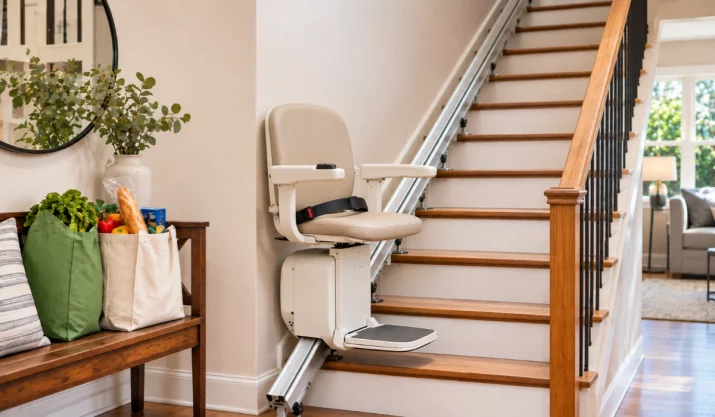
Bedroom comfort is only one part of maintaining an accessible home. California Mobility helps California homeowners address mobility challenges with stair lifts, ramps, and home lifts. These solutions can make it easier to move between different areas and levels of your home as your needs change.
If you’re considering broader accessibility improvements, contact California Mobility to discuss options suited to your home. For a smart bed frame, compare the features against your everyday needs, and talk with a healthcare provider about persistent sleep concerns or transfer difficulties before making a purchase.