

Home Safety Steps After Discharge in San Jose
Table of Contents
Bringing a parent home after a hospital stay can feel like a lot to manage at once. You may be reading discharge instructions, checking a medication schedule, setting follow-up appointments, and wondering whether the bathroom or stairs are safe enough for the first night.
For many San Jose family caregivers, the right home safety steps after discharge in San Jose come down to the places where problems happen first: entry steps, tight bathrooms, upstairs bedrooms, and walkways that feel too narrow once a walker is involved.
The goal is to make returning home safer, calmer, and easier to manage.
Key Takeaways
- Review discharge instructions, follow-up appointments, warning signs, medication list, and care team contact information before your loved one settles in at home.
- Prepare the main routes first, including the entry, bedroom path, bathroom, kitchen, walkways, lighting, and transfer areas.
- Consider accessibility equipment when stairs, entry steps, tight paths, or unsafe lifting limit independence after hospitalization.
- A California Mobility in-home assessment can help San Jose families choose the right next step for ramps, stair lifts, home lifts, or Home Lifts.
Immediate Post-Discharge Safety Steps
Start with the hospital paperwork, then match it to the first rooms your loved one will use at home.
Review Discharge Instructions Before the Ride Home
Before hospital discharge, go through the discharge instructions with the discharge planner, social worker, or health care provider.
Confirm the care plan, follow-up care, follow-up appointments, warning signs, and care team contact information. Save each phone number before leaving, so you are not searching through papers during a problem.
Set Up Medication Management in One Place
Medication errors often happen when a family member is tired or using an old medication list.
Keep the current medications, medication schedule, side effects notes, and primary care contact information in one visible spot near the kitchen or bedside. If anything conflicts, call the health care provider before changing how a medicine is taken.
Clear the Main Walkways Before the First Night
A loved one returning home may move more slowly than before hospitalization, especially with a walker, cane, or other medical equipment.
Clear walkways from the entry to the bedroom, bathroom, and kitchen. Remove tripping hazards like loose rugs, cords, pet bowls, and low tables, then add a night light along the nighttime bathroom route.
Make Bathroom Transfers Easier to Manage
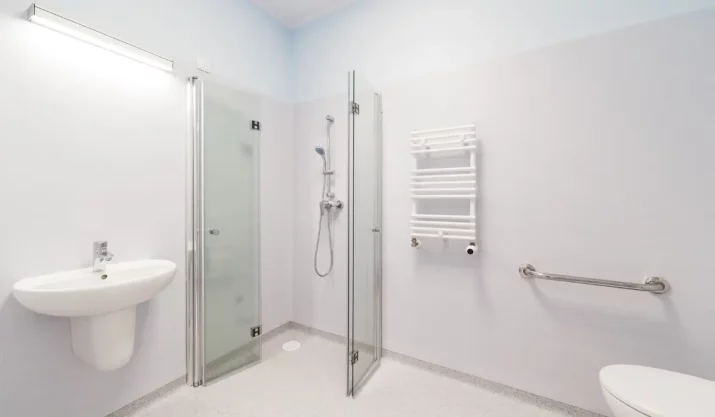
The bathroom is often the hardest room after hospital care because it requires turning, sitting, standing, and stepping over wet surfaces.
Add non-slip mats, a shower chair, grab bars, and a raised toilet seat when transfers feel unsteady. Do not use towel bars for support because they are not built to hold body weight.
Mobility Barriers That Limit Independence
A familiar home can feel very different after a hospital stay, even when nothing about the house has changed.
Stairs That Separate Daily Living Spaces
In many San Jose homes, stairs can stand between your loved one and the bedroom, bathroom, laundry area, or main living space. If climbing steps drains their energy early in the day, an indoor stair lift may be worth discussing.
The goal is safer daily access, not a one-time trip upstairs.
Entry Steps That Make Appointments Harder
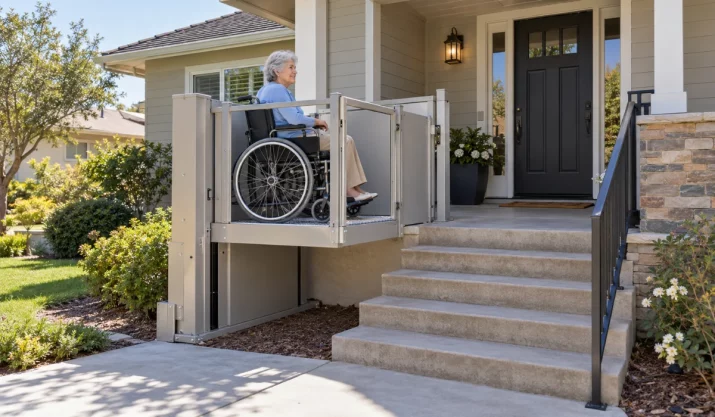
One or two steps at the front door, garage, or patio can become a barrier when follow-up appointments and home health care visits begin.
A ramp can help a caregiver move a wheelchair or walker through the entry without lifting. It also makes short trips outside less stressful.
Furniture Paths That Are Too Tight for a Walker
A walker needs more turning space than most families expect.
Tight spots near beds, recliners, dining tables, and hallway corners can make home care harder than it needs to be. Moving furniture may solve the issue, but repeated pinch points may call for a larger accessibility plan.
Bathrooms That Force Awkward Movement
Small bathrooms can require sidestepping, twisting, or reaching when your loved one is already tired. That matters during the first week, when strength can change from morning to evening.
Grab bars, a shower chair, and a raised toilet seat can make daily routines safer for both the older adult and the caregiver.
When Accessibility Equipment Makes Sense
Some home changes help for a few weeks, while others fit a longer recovery or aging in place.
Recovery Will Take More Time
Accessibility equipment makes sense when the health care provider expects a longer recovery or ongoing follow-up care. A ramp, stair lift, or home lift can keep key areas usable without turning the living room into a bedroom.
That can help the home match the care plan more closely.
The Caregiver Is Lifting Too Much
A family caregiver should not have to lift a loved one up steps, across a threshold, or around a tight bathroom setup. That puts both people at risk.
The right equipment can reduce strain and make daily movement more predictable.
Fall Risk Keeps Shaping the Day
Hospital readmissions can happen for many reasons, but fall risk is one concern that families can often address in the home environment.
Accessibility equipment does not replace in-home care, discharge planning, a discharge checklist, or medical guidance. It can remove barriers that make normal routines harder.
Your Loved One Wants to Stay in Their Own Home
Many older adults want to recover in their own homes, but the home has to support their mobility. When stairs, entries, or transfers keep limiting independence, equipment can help the house fit the care needs.
The right option depends on the person, the layout, and the care plan.
Schedule a San Jose In-Home Assessment
After hospital discharge, it can be hard to know which home changes should come first. The discharge checklist may cover follow-up care, current medications, warning signs, home health care, or Medicare paperwork, but it may not tell you whether a ramp, stair lift, home lift, or Home Lift fits the home.
A San Jose in-home assessment from California Mobility gives your family a clear next step. The team can look at stairs, entry points, walkways, bathroom access, and the daily routes your loved one uses most.
From there, you can see what is creating the barrier, which changes are realistic, and what equipment may support safer post-discharge movement.