

Stair Safety Upgrades for Los Angeles Homes
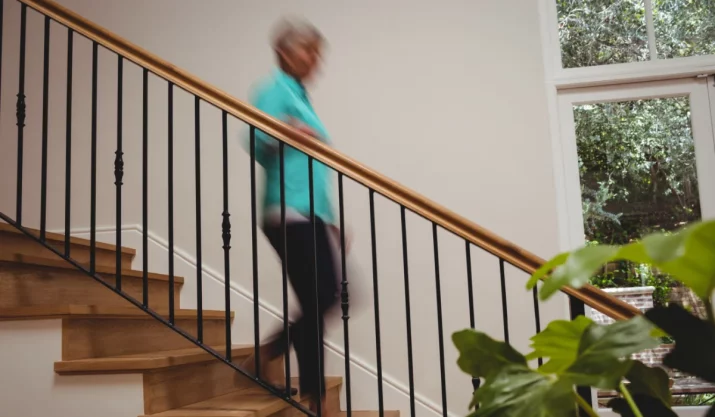
Table of Contents
When an aging parent or spouse starts gripping the wall, pausing on the bottom steps, or avoiding the stairs, it is time to look closer. In Los Angeles homes with bedrooms, bathrooms, and living areas on different levels, stair safety upgrades can make daily movement feel more manageable.
The goal is not to remodel the whole home right away.
Start by finding the parts of the stairway that make daily movement harder, then choose upgrades that support safer aging in place.
Key Takeaways
- Strong handrails, better lighting, non-slip surfaces, and clear visual cues can make stairs safer.
- Daily stair habits show which upgrades should come first.
- A stair lift may help when stairs limit access to bedrooms, bathrooms, or living areas.
- An in-home assessment helps match the stairway to mobility needs and the next step.
Stair Safety Upgrades to Consider
The best improvements match how your loved one already moves at home. Grip, lighting, footing, and visibility usually show where stair safety needs attention first.
Secure Handrails on Both Sides
Handrails should feel steady, easy to grasp, and continuous from the bottom steps to the top landing. If your loved one reaches for a newel, baluster, or wall instead of the stair railing, they may not have enough support.
Two-sided handrails can also help a caregiver stay close without becoming the main source of balance.
Improve Lighting and Switch Access
A dark stairwell makes risers harder to judge, especially for older adults going down stairs at night. Brighter lighting, accessible light switches, and night lights near the stairs make each step easier to see.
This helps when someone moves between the living room, bedroom, and bathroom after dark.
Add Safer Stair Treads
Loose carpeted stairs, polished wood, and worn stair treads can create a tripping hazard. Non-slip treads or high-quality anti-slip tape can improve traction without a full remodel.
Check for lifted carpet edges, uneven padding, or slick spots where a foot may slide during stair climbing.
Use Contrast for Better Visibility
A contrasting color along the nosing helps show where each step ends. These visual cues are useful when risers blend into the tread or glare makes the stairway harder to read. Better contrast can reduce a misstep without changing the structure of the stairs.
What to Prioritize First
Not every home safety change has the same impact. Focus first on the stairs your loved one uses most and the movements that already cause hesitation.
Start With the Most Frequent Stair Route
Look at the stairway used between the bedroom, bathroom, kitchen, and living areas.
If those stairs are part of the daily routine, they matter more than a secondary stairway that rarely gets used. Strong stair safety upgrades solve the problems your loved one faces every day.
Look for Changes in Confidence
Confidence often changes before a serious fall.
Watch for slower steps, a tighter grip, skipped trips upstairs, or fear when going downstairs. A caregiver may also notice close calls that never lead to an emergency room visit but still point to a higher risk of falls.
Separate Quick Fixes From Long-Term Needs
Lighting, handrails, and non-slip treads can help when the main issue is grip, traction, or visibility. They do not solve pain, fatigue, unsafe transfers, or loss of strength.
If your loved one pulls themselves up the stairs with both hands, it may be time to consider more than basic upgrades.
When a Stairlift or Home Lift Fits
A stair lift or home lift fits when stairs start blocking access to the rooms your loved one needs most. The right option depends on the person, the stair layout, and daily movement through the home.
Stairs Limit Access to Needed Rooms
If a bedroom, shower, or main living area is upstairs, avoiding stairs can quickly affect quality of life. A stair lift can help someone move between floors while staying in their own home.
For many Los Angeles families, this supports aging in place without forcing a rushed housing decision.
The Staircase Shape Needs a Custom Review
Straight stairs are easier to assess, but curved stairs, landings, and tight stairwells need careful measurements. A professional review can show whether a stair lift fits, where the chair can park, and how others will move around it safely.
A Wheelchair Changes the Mobility Plan
A stair lift may work when someone can transfer safely from a wheelchair to the seat.
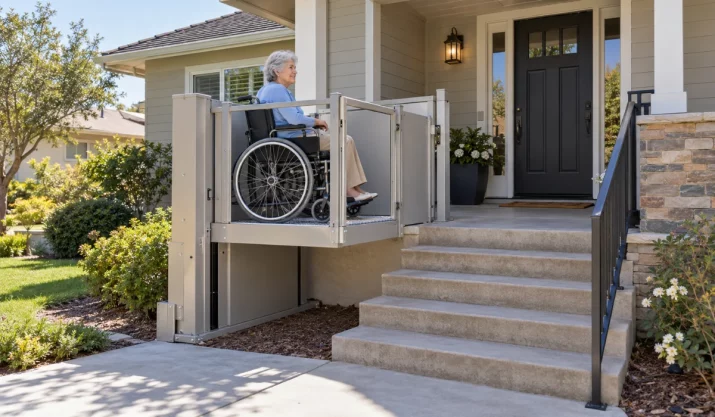
If transfers are not safe, a home lift may fit better. The decision should reflect daily mobility, caregiver support, available space, and access between living areas.
Schedule a Los Angeles In-Home Assessment
A Los Angeles in-home assessment helps you see which stair safety upgrades make sense before making changes. California Mobility can inspect the stairway, identify tripping hazards, review handrails, check stair lift fit, and explain whether ramps or home lifts fit the way your loved one uses the home.
This is a useful next step when you are not sure whether smaller upgrades are enough. You get clear findings, practical options, and a safer plan for daily stair use.