


How an Adjustable Bed Frame Earns Its Place in a Senior Bedroom
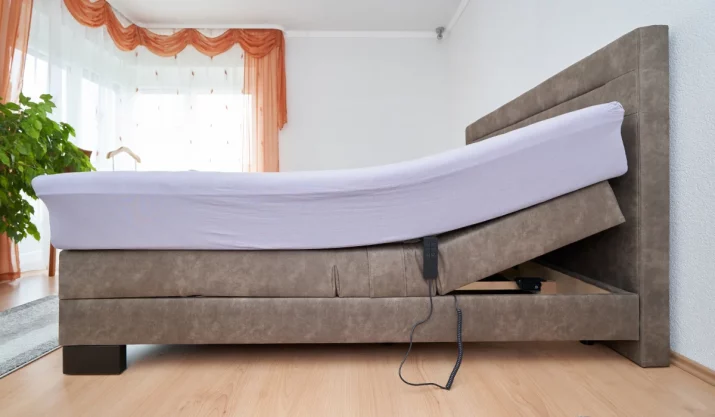
Table of Contents
- How an Adjustable Bed Frame Helps With Everyday Movement
- Comfort Benefits That Matter in a Senior Bedroom
- How an Adjustable Bed Can Ease Caregiver Effort
- Adjustable Bed vs. Hospital Bed
- Choosing an Adjustable Bed Frame for a Senior Bedroom
- Building a Safer, More Livable Bedroom for Aging in Place
- Making the Right Adjustable Bed Frame Choice
- Adjustable Bed Frame: FAQs
An adjustable bed frame can make a senior bedroom more comfortable and easier to use by helping with sitting up, getting in and out of bed, reading, resting, and changing leg position. It can also reduce some of the hands-on repositioning a caregiver may need to provide.
This guide explains how adjustable beds support comfort and independence, how they differ from hospital beds, and what to check for when it comes to sizing, remote controls, mattress compatibility, and existing furniture. Find out how the bed fits into a safer bedroom setup for aging in place, including bed height, lighting, walking space, and access to mobility aids.
Key Takeaways
- An adjustable bed frame can make everyday movements easier by helping you start from a more upright position before getting out of bed.
- Head and leg elevation can improve comfort, support certain resting positions, and reduce some of the manual repositioning caregivers handle.
- The best setup considers bed height, mattress compatibility, remote controls, furniture clearance, and the rest of the bedroom layout.
How an Adjustable Bed Frame Helps With Everyday Movement
Getting out of bed is a sequence, not a single motion. You have to move from lying down to sitting, bring your legs toward the floor, steady yourself, and then stand. Changes in strength, balance, joint movement, or coordination can make one or more of those steps harder.
An adjustable bed frame for seniors can raise the torso before that transfer begins. For some people, starting from a partially upright position means less effort than pushing the upper body off a flat mattress. Once seated, you can bring your feet toward the floor and prepare to stand in the way that works best for you.
Bed Height Still Matters
The height of the bed can help or hurt the transfer. A thick mattress on a tall adjustable bed base may leave a shorter person sitting too high to plant both feet comfortably. A bed that sits very low can create the opposite problem by requiring more leg strength to stand.
Measure the base and mattress together rather than judging either one separately. If you normally sit at the edge of the bed before standing, check whether your feet can reach the floor in a stable position.
The Space Around the Bed Matters Too
Bedroom layout affects how easy it’s to move once you are upright. The Centers for Disease Control and Prevention (CDC) reports that more than 14 million adults age 65 and older fall each year, so the route beside the bed deserves attention.
A clear floor, reachable lighting, and enough room for a cane or walker can make the first few steps after getting up less awkward. The bed should support safer movement, not create a new obstacle.
Comfort Benefits That Matter in a Senior Bedroom
An adjustable bed base can be useful even when you aren’t trying to get out of bed. It lets you change your position for activities that are uncomfortable on a flat mattress, such as reading, watching television, talking on the phone, or resting during the day.
Head Elevation for Reading and Breathing Comfort
Pillows can prop you up, but they tend to shift as you move. They may also lift your shoulders while leaving the rest of your back in a position that feels less natural. When the bed itself rises, the mattress supports more of your torso as the angle changes.
Head elevation also appears in certain clinical recommendations. The American College of Gastroenterology recommends elevating the head of the bed for people with nighttime reflux symptoms. An adjustable bed gives you a practical way to hold that position without relying on a wedge or several pillows.
Some people also prefer an elevated upper body because breathing feels more comfortable that way. If you have sleep apnea, heart disease, lung disease, or another diagnosed condition, your clinician’s guidance should determine how you sleep. The bed can help you hold a chosen position, but it doesn’t replace treatment.
Leg Elevation for Resting Comfort
Raising the foot section can support your legs at a consistent angle while you rest. That’s easier than repeatedly positioning pillows beneath the calves or knees, especially if those pillows flatten or slide during the night.
Elevation can assist venous return because gravity helps move blood from the lower legs back toward the heart. It may also be part of a care plan for certain types of lower-leg swelling. Since swelling can have many causes, sudden or unexplained swelling should be evaluated rather than managed only by changing the bed position.
For everyday comfort, the advantage is simple. You can make small changes with the remote, find a comfortable position, and return the bed to flat without getting up.
How an Adjustable Bed Can Ease Caregiver Effort
Caregiving often involves many small physical tasks rather than one major lift. Someone may need help sitting up to take medication, getting settled with pillows, changing position after a few hours, or moving from lying down to the edge of the bed.
A powered frame can handle part of that positioning. If the person using the adjustable bed can operate the remote, they may be able to sit themselves more upright without calling someone into the room. When assistance is still needed, raising the head section first can reduce how much manual upper-body repositioning the caregiver has to do.
Remote Controls Can Support Independence
The remote is a small feature with a large effect on daily use. It should be easy to identify, simple to operate, and reachable from the positions the person uses most often.
Large buttons, clear labels, and backlighting can help someone with reduced vision or hand dexterity. A dedicated holder on the bed or nightstand is often more practical than searching for a wireless remote under blankets every evening.
Preset positions can be useful, but they aren’t essential for everyone. Someone who mainly wants head elevation for reading and leg elevation for resting may prefer a simpler control layout.
Adjustable Bed vs. Hospital Bed
Consumer adjustable frames and hospital beds share one obvious feature: both can change the angle of the sleeping surface. Their purpose, construction, and available functions are different.
The Food & Drug Administration (FDA) describes hospital beds used for medical purposes as medical devices. These beds may include features intended for clinical care, such as whole-bed height adjustment, integrated rails, casters, and compatibility with specialized mattresses or equipment. A residential adjustable bed is usually designed around comfort, sleep, and everyday positioning.
| Feature | Consumer Adjustable Bed Frame | Hospital Bed |
| Main use | Residential comfort and position changes | Medical care and patient positioning |
| Head adjustment | Common | Common |
| Leg or foot adjustment | Common | Common |
| Whole-bed height adjustment | Uncommon | Common on many models |
| Integrated rails | Usually absent | Available on many models |
| Wheels or casters | Uncommon | Common |
| Appearance | Designed for a residential bedroom | Designed primarily around function |
| Mattress | Requires a compatible residential mattress | May use a specialized medical mattress |
The distinction matters when needs become more complex. Someone who requires frequent caregiver transfers, adjustable working height, prescribed rails, or specialized medical equipment may need features that a consumer adjustable bed doesn’t provide.
Choosing an Adjustable Bed Frame for a Senior Bedroom
The best adjustable bed frame for seniors isn’t the one with the longest feature list. A simpler model that fits your body, mattress, and bedroom can be more useful than an expensive base filled with settings you never touch.
Choose the Right Size
Start with the mattress size you actually need. Twin XL models can work well in smaller rooms and are also used in many split king arrangements. Queen sizes offer more sleeping width without taking up as much floor space as a king.
A split king adjustable bed can be useful for couples who prefer different sleeping positions because each side can usually be controlled separately when paired with the correct bases.
Measure the room as well as the mattress. Leave enough space for walking, mobility equipment, bedside furniture, and access from either side if a caregiver needs to help.
Confirm Mattress Compatibility
The mattress has to flex as the base moves. Many foam, latex, and compatible hybrid mattresses can work with adjustable bases, but compatibility should always be confirmed with the mattress manufacturer.
Older or very rigid innerspring mattresses may not bend correctly. Checking adjustable bed mattress compatibility before buying can prevent an expensive mismatch.
Check Existing Furniture
Some adjustable bases fit inside decorative bed frames or work with separate headboards, while others need more clearance. Under-bed drawers, low cross supports, and storage platforms can interfere with moving components.
Nightstand placement deserves a quick test too. Raising the head changes where your shoulders and hands sit in relation to the furniture. A phone, glasses, water, medication, lamp switch, and remote should remain easy to reach when the bed is raised.
Check the Power-Outage Procedure
An adjustable bed depends on electricity, so it’s worth knowing what happens when power is unavailable. Some models provide a backup method for lowering the bed, while others depend entirely on household power.
That detail matters more when the person using the bed can’t comfortably change position without the motor. It’s easy to overlook during shopping, but it can become important later.
Building a Safer, More Livable Bedroom for Aging in Place
The adjustable bed should fit into the room rather than dominate it. Keep the main walking route open, especially between the bed and bathroom. Cords, shoes, baskets, loose rugs, and oversized furniture can turn a short nighttime walk into a series of obstacles.
Plan Around Nighttime Movement
Place a cane or walker where you can reach it before standing. Lighting should also be available from the bed so you don’t have to cross a dark room to reach a switch.
If the adjustable bed uses a power cord, route it away from the walking path. The same goes for phone chargers, lamp cords, and other bedside electronics.
Make the Bedroom Work as a Whole
A safer senior bedroom isn’t created by one product. Bed height, lighting, furniture placement, flooring, walking clearance, and access to mobility aids all affect how comfortable the room is to use.
This is where an adjustable bed frame becomes more than a comfort purchase. It can give you control over position, reduce some of the effort involved in sitting up, and make certain caregiver tasks simpler. Those benefits are stronger when the rest of the bedroom follows the same idea: less reaching, fewer obstacles, and easier movement.
Making the Right Adjustable Bed Frame Choice
An adjustable bed frame earns its place in a senior bedroom when it solves real everyday problems. It can make getting upright easier for some users, support comfortable head and leg positions, reduce some manual repositioning, and give the person using the bed more control over daily routines.
The best setup comes from looking at the whole room. Final bed height, mattress flexibility, remote design, furniture clearance, lighting, and walking space all affect whether the bed truly supports aging in place.
California Mobility works with families who are adapting homes for changing mobility needs. If bedroom mobility is part of a larger issue, such as getting up the stairs, crossing an entry, or moving between levels of the home, contact California Mobility to discuss which accessibility changes can work together and make the home easier to use over time.