

A Stair Lift for Groceries Is Not Cheating It Is Smart
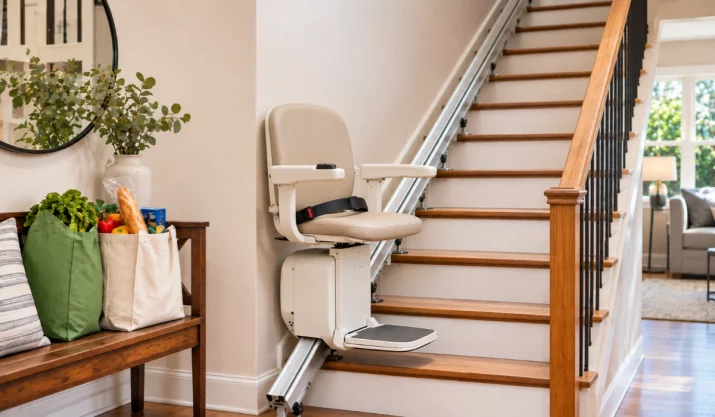
Table of Contents
- Why Carrying Groceries Upstairs Can Affect Your Balance
- Why Using a Stair Lift for Groceries Makes Sense
- Stair Lift Features That Make Everyday Use Easier
- Stair Lift vs. Multiple Trips or Asking for Help
- Choosing a New Stair Lift for Your California Home
- Make Everyday Stair Use Easier With California Mobility
A stair lift for groceries can make everyday life easier by reducing the need to climb stairs while carrying out household chores. Imagine coming home with shopping bags, knowing there’s laundry waiting upstairs, and feeling tired before you’ve put anything away. A stair lift gives you a seated way to travel between floors, although carrying items with you must follow the manufacturer’s safety instructions.
For older adults living in two-story California homes, using a stair lift for groceries and daily routines is a practical way to manage physical effort. Understanding the safety risks, equipment features, and installation options can help you decide whether a new stair lift belongs in your home.
Key Takeaways
- Carrying household items changes how you use stairs. Grocery bags, laundry baskets, and bulky packages can interfere with balance, visibility, and access to the handrail.
- The right stair lift features matter. Weight capacity, folding seats, and proper installation affect safety and everyday convenience. Stair lifts are passenger devices, so transporting belongings must follow manufacturer instructions.
- A new stair lift can support independence. Seated travel reduces the need for repeated stair climbing, helping you manage your energy without relying on someone else for every trip between floors.
Why Carrying Groceries Upstairs Can Affect Your Balance
Climbing stairs with empty hands is different from carrying a full laundry basket or several shopping bags. A bag may swing against your leg, while a large basket can block your view of the next step. If you’re using both hands to hold something, reaching for the railing becomes difficult.
The Centers for Disease Control and Prevention (CDC) reports that more than 14 million adults aged 65 and older fall each year in the United States. While that figure includes falls in many settings, it highlights the importance of paying attention to balance and household safety as you age.
How Everyday Loads Change the Way You Use Stairs
A bag doesn’t need to be especially heavy to cause trouble. A large package may require both arms, while several smaller grocery bags can make it difficult to maintain a comfortable grip on the handrail.
The National Institute on Aging identifies changes in strength, vision, and balance as factors that contribute to falls among older adults. Carrying awkward loads can make these challenges more noticeable.
You might find yourself taking smaller steps, stopping halfway up, or waiting until someone is available to carry heavier items. These changes deserve attention, even when climbing stairs without carrying anything still feels manageable.
Why Using a Stair Lift for Groceries Makes Sense
A stair lift for groceries can be part of a safer daily routine because it reduces the physical effort needed to travel between floors. You no longer have to climb every time you want to reach an upstairs bedroom, laundry area, or storage space.
That flexibility can be helpful after a long shopping trip or on days when your legs feel tired. Instead of planning your activities around how often you need to climb stairs, you have another way to move through your home.
What Can You Safely Carry on a Stair Lift?
A stair lift is designed to transport a seated person. It isn’t automatically approved for moving grocery bags, laundry baskets, or packages without someone riding it. Whether you can bring belongings along depends on the manufacturer’s instructions for your specific model.
For example, you shouldn’t place a loaded grocery bag on an empty stair lift seat and operate it as a cargo carrier unless the manufacturer expressly permits that use. Loose items may shift or interfere with moving components.
Ask your installer how the lift should be used when you’re managing shopping or laundry. You may still need help moving bulky objects, but you can benefit from seated travel even when items must be transported separately.
Stair Lift Features That Make Everyday Use Easier
Choosing a stair lift involves more than deciding whether your staircase is straight or curved. Weight capacity, seating comfort, folding components, and available space all influence how well the equipment fits your needs.
A new stair lift should also work for everyone else living in your home. Features that allow the chair to fold away, along with suitable parking positions, can help keep shared stairs accessible.
Why Stair Lift Weight Capacity Matters
Every stair lift has a maximum rated load established by the manufacturer. The rating must accommodate the rider and any personal belongings the manufacturer expressly allows them to carry. A higher rating doesn’t automatically make the lift suitable for hauling household items. Comparing model-specific specifications and available features helps you understand why capacity and seating dimensions should match the person who will use the equipment.
When evaluating a new lift, discuss your weight, seating comfort, and mobility needs with the installer. These details matter more than choosing equipment simply because it has a higher advertised capacity.
How a Folding Seat Keeps Stairs More Accessible
A stair lift remains attached to the staircase even when you’re not using it. In a home where family members regularly walk between floors, leaving enough room to pass is important.
Many stair lifts feature folding seats, armrests, and footrests. These components can be tucked away when the lift is parked, reducing the space the chair occupies.
The available clearance depends on the staircase’s dimensions and the installed lift. A professional assessment can determine whether the folded chair will leave sufficient space for other people to use the stairs.
Stair Lift vs. Multiple Trips or Asking for Help
Carrying smaller grocery loads upstairs may feel more manageable than lifting everything at once. However, it means making several trips, which increases the amount of stair climbing required to finish one chore.
Asking a spouse, adult child, or caregiver to carry heavier belongings can help. The drawback is that you may need to schedule tasks around another person’s availability, particularly when the laundry room or storage area is upstairs.
A stair lift offers a different approach. You can travel between floors while seated, although groceries and other household items may still require separate handling.
| Approach | Main Advantage | What to Consider |
| Carrying smaller loads | Each load is easier to handle | Requires more stair trips and continued attention to balance |
| Asking family members for help | Reduces the need to carry bulky or heavy items yourself | Depends on someone being available |
| Using a stair lift | Reduces the physical effort of traveling between floors | Items must be handled according to the lift’s approved operating instructions |
How a Stair Lift Helps You Conserve Energy
Think about a weekend spent putting away groceries, changing bedsheets, and doing laundry. None of these chores seems particularly demanding on its own, but moving between floors repeatedly adds physical work to the day.
A stair lift reduces the climbing involved in reaching different rooms. That can leave more energy for cooking, spending time with family, or finishing the tasks you actually went upstairs to do. For someone aging in place, having this option can make everyday routines more manageable without rearranging the entire household around mobility limitations.
Choosing a New Stair Lift for Your California Home
A new stair lift installation begins with an assessment of your staircase and mobility needs. Straight staircases generally require a different track configuration from curved stairs or those with intermediate landings. Space at the top and bottom also affects how you enter and exit the chair.
California homes have different layouts, from spacious two-story houses to narrower stairways near entry halls. Measuring the staircase helps determine which equipment can fit while maintaining safe access for other household members.
What to Discuss During Your Stair Lift Assessment
Explain how you use the stairs throughout the day. If moving between the kitchen, bedroom, and laundry room has become tiring, the installer should understand which trips create the most difficulty.
Ask about weight capacity, folding seats, controls, parking positions, and the space needed for comfortable transfers. You should also receive clear instructions about which belongings, if any, can safely accompany you while riding.
Professional installation helps ensure the selected equipment fits the staircase and is set up according to the manufacturer’s requirements. Before using the lift independently, make sure you understand its operation, safety features, and recommended maintenance.
Make Everyday Stair Use Easier With California Mobility
Carrying groceries, moving laundry, and climbing stairs several times a day all require effort. Choosing a stair lift doesn’t mean you’ve stopped being independent. It means you have another way to move between floors when climbing feels tiring or uncomfortable.
The right equipment should match your physical needs and the layout of your home. Suitable weight capacity, folding components, and safe operating practices can make a new stair lift a useful part of your daily routine.
The California Mobility team can help you evaluate new stair lift options and choose an installation suited to your staircase and mobility needs. Contact California Mobility to discuss how a stair lift for groceries and everyday household routines could make life at home easier.