

Falling Protection Gear: From Hip Protectors to Smarter Slippers
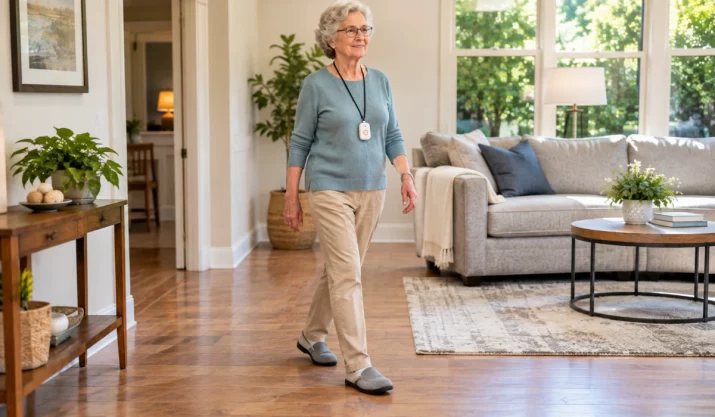
Table of Contents
- How Falling Protection Gear Helps Older Adults
- Hip Protectors for Seniors: How Much Protection Do They Offer?
- Grippy Socks, Smart Slippers, and Safer Footwear
- Padded Headwear and Wearable Fall Detection Devices
- How to Choose Comfortable Falling Protection Gear
- Making Fall Protection Part of Safer Aging in Place
Falling protection gear helps older adults stay active by cushioning certain impacts, improving traction, or making it easier to call for help after a fall. Imagine walking across your kitchen in socks, only to notice your feet slipping slightly on the tile. The right footwear could address that problem, while a hip protector or wearable alert serves a different purpose.
From grippy socks and smarter slippers to padded headwear, these products offer practical options for different mobility needs. Understanding their benefits, limitations, and fit requirements helps you choose equipment that supports independence without overlooking other ways to prevent falls.
Key Takeaways
- Different products address different risks. Hip protectors and padded headwear provide cushioning, non-slip footwear improves traction, and wearable alerts help you request assistance after a fall.
- Comfort and fit affect everyday use. Protective gear needs to stay in place, allow natural movement, and feel comfortable enough to wear during regular activities.
- Gear works best alongside fall prevention. Balance exercises, suitable footwear, and home safety improvements address risks that protective products can’t eliminate.
How Falling Protection Gear Helps Older Adults
Fall protection for seniors involves more than wearing extra padding. Some products are designed to reduce the force of an impact, while others address slippery surfaces or help someone get assistance. Choosing between them depends on your mobility, daily activities, and the situations where you feel less steady.
The Centers for Disease Control and Prevention (CDC) reports that more than one in four adults aged 65 and older falls each year. That makes everyday fall prevention worth addressing before a serious accident occurs.
Comparing Common Fall Protection Products
| Type of Gear | Main Purpose | Key Limitation |
| Hip protectors | Cushion impacts around the hips | Can’t prevent every hip fracture |
| Grippy socks | Improve traction on certain indoor surfaces | Grip varies with flooring and wear |
| Smart slippers | Monitor movement or walking patterns in some designs | Fall prevention benefits aren’t established for all products |
| Padded headwear | Cushion certain head impacts | Can’t guarantee protection against brain injury |
| Wearable alerts | Notify others when assistance is needed | May miss falls or trigger false alarms |
| Supportive footwear | Help keep feet secure during walking | Can’t correct underlying balance problems |
*The table highlights why one product rarely addresses every concern. A person who walks confidently but worries about slippery floors has different needs from someone who experiences frequent falls or lives alone.
Hip Protectors for Seniors: How Much Protection Do They Offer?
Hip protectors are garments with padding positioned over the outer hip bones. They’re designed to absorb or distribute some of the impact from a fall, especially when someone lands sideways. Some resemble padded shorts, while others fit inside specially designed underwear.
These products may benefit older adults with a history of falls or an increased risk of hip fracture. However, wearing hip protectors doesn’t make falling harmless, and the research supporting their effectiveness varies by living situation.
What Research Says About Hip Protectors
A study on hip protectors found that they may slightly reduce hip fractures among older people in nursing or residential care. The evidence didn’t establish a comparable benefit for older adults living independently in the community.
For active seniors living at home, this distinction matters. A healthcare professional can help determine whether hip protection is appropriate based on bone health, mobility, and personal fall history.
Finding a Comfortable Fit
Hip pads should remain centered over the hip bones when you sit, stand, and walk. If they slide out of position or restrict movement, they may not provide the intended coverage.
Check the fabric for breathability and consider how easily you can manage the garment during bathroom visits. Comfort becomes particularly relevant when protection must be worn for several hours.
Grippy Socks, Smart Slippers, and Safer Footwear
Footwear deserves attention because it’s something you use throughout the day. Walking in loose slippers or smooth socks can make certain surfaces harder to navigate, particularly polished wood, tile, or floors that become wet.
Non-slip slippers for seniors, grippy socks, and supportive shoes address traction in different ways. The safest choice depends on the walking surface, foot shape, and whether the footwear stays secure during movement.
Are Grippy Socks Safer Than Regular Socks?
Grippy socks feature textured or rubberized material on the soles to increase friction against the floor. They’re commonly used in healthcare settings and may provide useful traction for some indoor activities.
However, non-slip socks for elderly adults aren’t automatically safer on every surface. Grip can deteriorate with washing, while loose fabric may twist around the foot. Check whether the socks stay in place and provide enough traction on your home’s flooring.
What Can Smart Slippers Actually Do?
Some smart slippers contain sensors that measure movement, foot pressure, or walking patterns. Depending on the system, these measurements may help identify changes that warrant attention.
The technology is still developing, and smart slippers shouldn’t be treated as proven fall-prevention devices simply because they contain sensors. Ask manufacturers what the product measures, whether it provides useful alerts, and what evidence supports its advertised features.
Choosing Supportive Shoes for Everyday Activities
For daily walks, look for shoes with a secure heel, stable soles, adequate toe room, and closures that keep your feet from sliding. Shoes that fit well should allow natural movement without slipping off when you turn or climb stairs.
If you have foot pain, swelling, or reduced sensation, consult a podiatrist before selecting specialized footwear. The goal is a comfortable fit that supports your usual activities.
Padded Headwear and Wearable Fall Detection Devices
Not every falling protection product is intended to stop a fall. Some help reduce exposure to particular injuries, while others provide a way to request assistance afterward. Protective headwear and wearable fall detection devices serve different needs, so it helps to understand what each can realistically accomplish.
Can Padded Headwear Protect Against Fall Injuries?
Protective headgear for elderly adults may include padded caps or more structured helmets. These products are designed to cushion certain impacts to the areas they cover.
The amount of protection depends on the design, materials, coverage, and testing. A soft padded cap shouldn’t be assumed to offer the same protection as a certified helmet, and no headwear guarantees prevention of concussion or serious head injury.
Check that the headwear stays secure without blocking your vision or interfering with hearing. Anyone considering head protection because of recurrent falls should seek advice from a healthcare professional.
How Do Wearable Fall Alerts Work?
Wearable fall detection devices use motion sensors to identify movements that may indicate a fall. Depending on the model, they can notify emergency contacts, connect to a monitoring service, or let you request assistance with a button.
These features can be useful for older adults who live alone, but detection isn’t perfect. Some incidents may go unnoticed, while everyday movements can occasionally trigger false alarms.
Before choosing a device, check battery life, connectivity, ease of operation, and whether it works in the areas you regularly visit. Practice sending an alert so you understand what happens when the device is activated.
How to Choose Comfortable Falling Protection Gear
The most useful fall prevention products fit comfortably into your daily routine. Hip padding that shifts when sitting, slippers that rub against your heels, or an uncomfortable alert pendant may discourage regular use.
Try equipment while sitting, standing, turning, and walking. Look for pressure points, restricted movement, or straps that loosen during activity. Follow manufacturer sizing instructions instead of assuming tighter equipment provides better protection.
Match Your Equipment to Your Lifestyle
If you enjoy gardening, shopping, or taking neighborhood walks, supportive footwear suited to those activities may be a practical priority. For someone who spends more time indoors, traction on household surfaces and access to an emergency alert may matter more.
Consider care and maintenance, too. Washable garments, replaceable batteries, accessible charging controls, and simple fasteners can make equipment easier to use over time.
If you have experienced repeated falls or noticed changes in balance, seek a medical assessment rather than relying on new gear alone. Addressing the reason for those changes is just as meaningful as choosing protective equipment.
Making Fall Protection Part of Safer Aging in Place
Protective gear can support confidence, but the surrounding environment matters just as much. The National Institute on Aging recommends measures such as physical activity, medication reviews, and home safety improvements to help reduce fall risks. A short home safety check can identify problems that hip padding, footwear, and electronics can’t solve.
Home Safety Checklist
| Area | What to Check |
| Walkways | Remove loose cords, clutter, and unsecured rugs. |
| Bathrooms | Check for slippery surfaces, adequate lighting, and appropriate grab bars. |
| Stairways | Inspect handrails and make sure steps are clearly visible. |
| Bedrooms | Keep essential items and a way to call for help within reach. |
| Entrances | Look for uneven thresholds and steps that have become difficult to navigate. |
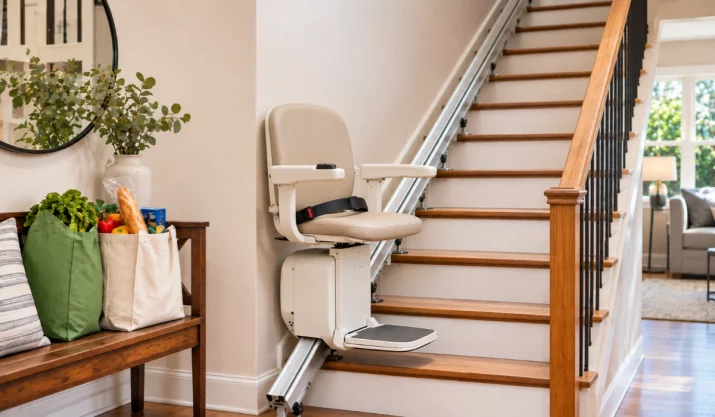
For seniors living in California, home accessibility improvements may make everyday movement easier when stairs or entrances become challenging. Stair lifts, ramps, and home lifts can address access needs that wearable equipment doesn’t solve.
Supporting Your Independence With California Mobility
The right falling protection gear can help you feel more prepared for everyday activities, whether you’re walking through your home or enjoying time outdoors. Choosing comfortable equipment, understanding its limitations, and addressing household hazards creates a more practical approach to fall safety.
California Mobility helps seniors and people with mobility limitations make their homes easier to navigate. Our stair lifts, ramps, and home lift solutions can reduce the need to navigate difficult stairs or entrances, complementing the protective gear and prevention measures you already use.
If you’re finding certain areas of your home harder to access, contact California Mobility to discuss accessibility improvements suited to your needs. The right combination of falling protection and home modifications can help you continue enjoying your daily routines with greater confidence.