

Yes You Can Keep a Headboard for Adjustable Bed Setups
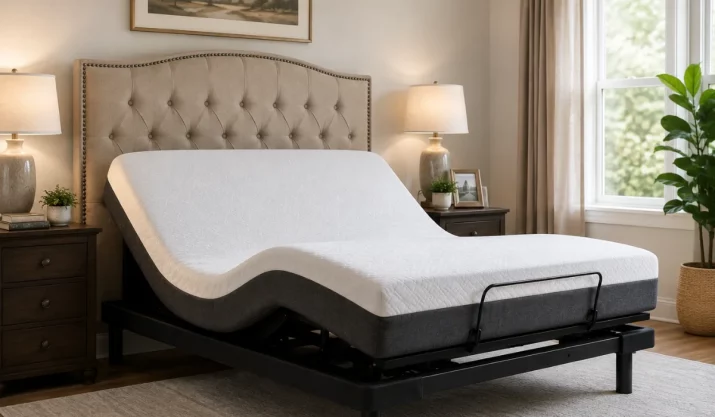
Table of Contents
- Can You Use a Regular Headboard With an Adjustable Bed?
- Ways to Use a Headboard With an Adjustable Base
- How to Check Headboard Compatibility
- How to Attach a Headboard to an Adjustable Bed
- Special Cases That Need More Planning
- Common Headboard Problems and Fixes
- Make the Rest of Your Home Easier to Navigate
An adjustable bed does not have to change the style of your bedroom. In many homes, the existing headboard can stay. The right arrangement depends on the base, the mounting hardware, and the space the mattress needs as it changes position.
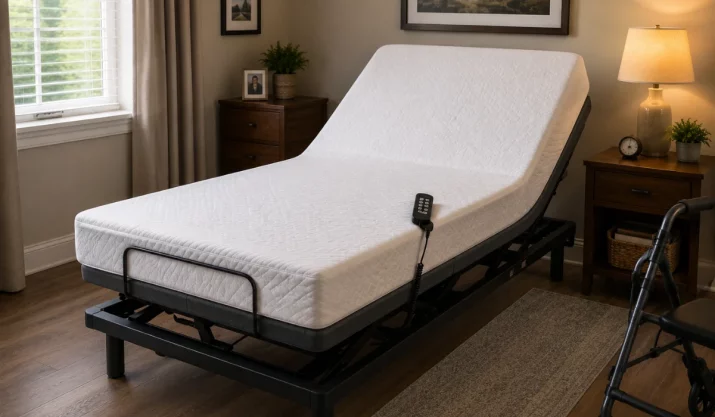
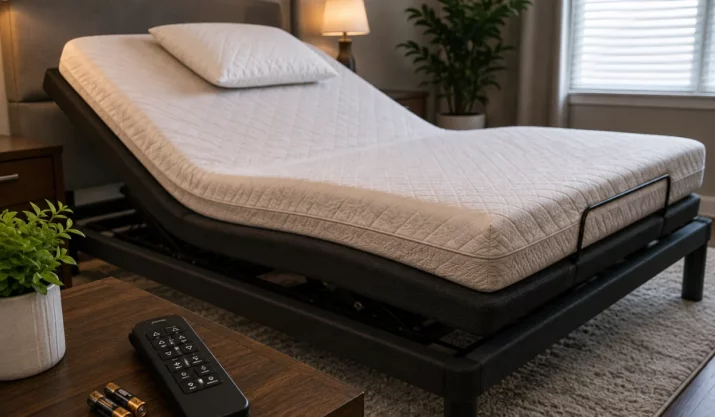
A headboard for adjustable bed use normally remains fixed while the mattress platform moves. It may connect to the stationary lower frame, stay attached to a decorative bed frame, or mount to the wall. Each setup can look finished and feel stable when the measurements and hardware match. Before buying brackets or moving furniture, check the full adjustable-base setup.
Can You Use a Regular Headboard With an Adjustable Bed?
A regular wood, metal, or upholstered headboard can work with many adjustable beds. It does not need to carry a special adjustable-bed label. The mounting style, dimensions, and available clearance matter more than the name used in the product listing.
Some bases have mounting holes for adjustable bed headboard brackets. Others need a separate bracket kit. When a powered base sits inside a decorative bed frame, the headboard may remain attached to the side rails instead of connecting to the base.
The first step is finding the exact model number of the adjustable base. Two queen bases may have different frame shapes, hole patterns, and mounting requirements. Bed size alone does not confirm that a bracket will fit.
| What to Check | What to Look For | Why It Matters |
|---|---|---|
| Adjustable-base model | Brand, model number, and bed size | Bracket connections differ between bases |
| Headboard style | Bolt-on, hook-on, wall-mounted, or freestanding | Each style needs a suitable connection |
| Post spacing | Distance between the headboard legs | The bracket plates must reach both posts |
| Headboard depth | Fabric, padding, trim, and rear supports | A deep headboard may touch the mattress |
| Existing frame | Rails, slats, drawers, and crossbars | Interior parts may block the powered base |
| Footboard | Height and distance from the mattress | The foot section needs room to move |
A bracket described as universal may still fit only certain bases or mounting-hole patterns. Check the listed model numbers, measurements, and included fasteners before ordering. The word universal should never replace a compatibility check.
Ways to Use a Headboard With an Adjustable Base
There are four common ways to keep an existing headboard with an adjustable base. The right choice depends on the weight of the headboard, the furniture already in the room, and the mounting points available on the base.
Use Brackets Made for the Base
A bracket kit approved for the adjustable base is the first option to check. Its main channels attach to fixed points on the lower frame. Adjustable outer plates then line up with the headboard posts.
This arrangement works well for many bolt-on headboards and keeps the headboard close to the bed. Some bases include brackets in the box, while others sell them as an accessory. Read the included parts list before buying extra hardware.
Use a Compatible Universal Bracket Kit
A universal bracket kit may help when the base does not include mounting hardware or when the headboard has wide post spacing. Compatibility still needs to be confirmed before installation.
Compare the supported base models, bracket slot width, headboard bolt pattern, fastener sizes, and weight guidance. A queen bracket kit can still be wrong for a queen base if the holes or frame dimensions do not match.
Place the Base Inside an Existing Bed Frame
An adjustable base can sit inside some decorative bed frames. In this arrangement, the original headboard stays attached to the side rails while the powered base stands within the open center.
This setup works best when the frame has clear interior space for the motor, legs, cords, and moving platform. Fixed slats, low crossbars, storage drawers, and lift-up storage panels are common obstacles.
Removing a structural support may weaken the decorative frame. Check how the side rails and headboard remain supported before taking the furniture apart. The adjustable base should also rest on the legs or surface specified in its instructions.
Choose a Wall-Mounted or Freestanding Headboard
A wall-mounted headboard stays separate from the adjustable base. This option can suit a heavy wood panel, tall upholstered design, antique headboard, or piece with unusual mounting holes.
The wall hardware must support the weight of the headboard. Its mounting height should account for the combined height of the base and mattress when the bed is flat.
A freestanding headboard is another option when drilling into the wall is not practical. It needs stable feet or suitable restraints. A light panel placed loosely behind the bed may shift when someone sits up or changes the mattress position.
How to Check Headboard Compatibility
Consumer Reports tests adjustable bed frames for installation, controls, features, and noise. Those practical details matter because a base must fit the room and work properly before a headboard is added.
A headboard compatible with an adjustable bed needs more than the right width. The mounting posts, bolt holes, surrounding furniture, and movement of the mattress all affect the fit.
Start with the label on the adjustable base. Record the model number and size before shopping for brackets. Then measure the headboard and any decorative frame that will remain around the bed.
Measure the spacing between headboard posts from center to center. For an upholstered headboard, include padding, side wings, trim, and rear supports. These features can extend farther than the front surface suggests.
| Measurement | How to Take It | What It Confirms |
|---|---|---|
| Headboard width | Measure the widest outside points | Whether it clears outlets and nearby furniture |
| Post spacing | Measure from center to center | Whether brackets can reach both posts |
| Bolt-hole spacing | Measure between the centers of the holes | Whether bracket slots line up |
| Headboard depth | Include fabric, padding, and rear supports | Whether the mattress has room to rise |
| Frame interior width | Measure between the side rails | Whether the base fits inside the frame |
| Frame interior length | Measure between the head and foot rails | Whether the base has open space at both ends |
| Finished bed height | Add the base and mattress height | Where a wall-mounted headboard should sit |
Look at the room as well as the bed. A wide headboard may cover an outlet or crowd a nightstand. The power cord should reach the wall without crossing a motor, hinge, cable connection, or moving joint.
How to Attach a Headboard to an Adjustable Bed
Installation differs by brand and model. The directions supplied with the adjustable base and bracket kit should guide the work. General steps help with planning, but they cannot replace the correct instructions.
Prepare the Bed and Hardware
Unplug the adjustable base before working near its frame or wiring. Remove the mattress if the instructions call for access from above or below.
Set out the brackets, bolts, washers, nuts, and tools. Compare each part with the instruction sheet before lifting the headboard. A second adult can hold a large headboard while the mounting holes are aligned, which reduces strain and lowers the chance of damaging the wall or upholstery.
Attach and Align the Brackets
Connect the main bracket channels to the approved mounting points on the stationary frame. Leave the hardware loose enough to allow adjustment.
Move the outer plates until their slots match the headboard posts. Insert the specified bolts and washers, then level the headboard before tightening each side in stages.
Do not force a bolt through a hole that does not line up. The bracket may be reversed, the plate may need adjustment, or the kit may not fit the base. Do not drill into a powered base unless the manufacturer’s instructions permit it.
Test the Full Range of Motion
Return the mattress and reconnect the power. Raise the head section while watching the rear edge of the mattress. Then raise the foot section and check the bedding, frame rails, and footboard.
Run the bed through each position you expect to use. Listen for rubbing, clicking, or tapping. Keep sheets, charging cables, and power cords away from moving joints.
There is no single clearance measurement for every headboard for adjustable bed setups. Mattress thickness, bracket depth, upholstery, and the path of the base all affect the required space. Follow the measurements listed for the exact model.
Special Cases That Need More Planning
Some bedroom arrangements need more checking than a standard base with a bolt-on headboard. Platform beds, storage frames, footboards, and split king bases create separate fit questions.
Platform Beds and Storage Frames
Some adjustable bases can rest on an approved platform, while others must stand on their supplied legs. Check the base instructions before removing the legs or placing the unit on a solid surface.
The term platform bed covers several designs. A flat panel may support one adjustable base while blocking motors, cords, or ventilation on another. Storage drawers and center supports may occupy the same area needed by the powered base.
Footboards
Headboard compatibility does not confirm that a footboard will fit. The mattress and bedding need open space near the foot as the base changes position.
Some adjustable bases can sit inside a full decorative frame. Others need an open foot end. Test the foot section before regular use and watch for contact with fabric, rails, or trim.
Split King Adjustable Beds
A split king adjustable bed normally uses two Twin XL mattresses and two powered bases. One king headboard can sit behind both sides, but each mattress needs a clear path.
The Sleep Foundation notes that adjustable split king systems can let each side rise independently. That movement makes separate testing important.
Raise one side at a time and watch the space behind each mattress. Differences in bracket depth, leg height, or floor level can cause one side to sit closer to the headboard. A wall-mounted headboard can simplify the arrangement because it remains separate from both bases.
Common Headboard Problems and Fixes
Most fitting problems appear during the first movement test. Correct them before the bed is used each night. Small signs such as clicking, rubbing, or shaking usually point to an alignment or clearance problem.
| Problem | Likely Cause | What to Check |
|---|---|---|
| Headboard wobbles | Loose hardware or weak bracket support | Tighten the approved bolts and compare both sides |
| Mattress rubs the headboard | Brackets sit too close to the platform | Adjust the bracket depth according to the instructions |
| Metal parts click | A bolt is loose or a washer is missing | Check the hardware and bracket alignment |
| Headboard taps the wall | The bed sits too close to the wall | Move the bed forward and protect the wall surface |
| Holes do not line up | Wrong kit or reversed parts | Confirm the part number and bracket position |
| Base will not fit the frame | Rails, slats, drawers, or supports block it | Compare the open frame dimensions with the base |
A stable adjustable bed headboard should remain quiet while the mattress moves. If a large panel continues to shake after the correct hardware has been tightened, wall mounting may provide better support.
An existing headboard with an adjustable base can preserve the style of the bedroom without interfering with the bed’s movement. Start with the exact base model, measure the headboard, and choose a mounting method that fits the furniture.
The last step is a complete movement test. The mattress should rise and lower without rubbing the headboard, pulling on the frame, or trapping bedding.
Make the Rest of Your Home Easier to Navigate
An adjustable bed can make the bedroom more comfortable, but safe movement through the rest of the home matters just as much. California Mobility helps homeowners improve access between floors and around the house with stair lifts, home lifts, wheelchair lifts, and other mobility solutions.
Our team can review your space, discuss your needs, and recommend options that fit your home and daily routine. Contact California Mobility to talk with a local mobility specialist.