

Safer Shower Setup Ideas for Sacramento Homes
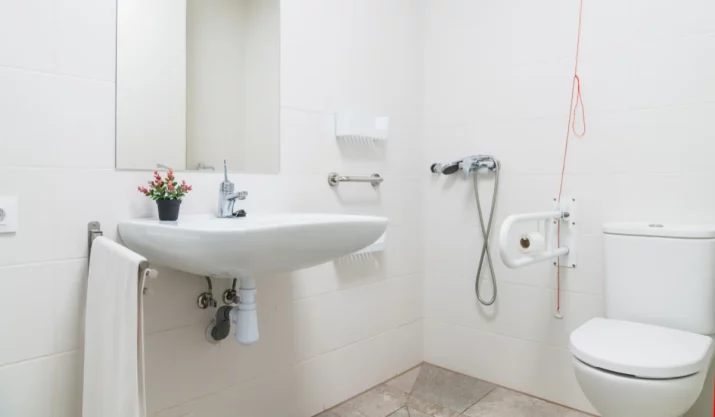
Table of Contents
A shower can start feeling unsafe before the rest of the home does. You may catch yourself holding the wall, stepping carefully over the tub, or pausing before you exit because the bathroom floor feels slick.
For many Sacramento seniors, the goal is simple: keep bathing steady, private, and manageable at home. The right shower updates can support aging in place, reduce daily fall risks, and make the bathroom easier for loved ones or a caregiver to help with when needed.
Key Takeaways
- The safest shower changes focus on the movements that feel hardest: stepping in, standing, sitting, reaching, turning, and stepping out.
- Grab bars, handheld showerheads, shower seating, proper lighting, and slip-resistant surfaces work best when they match your daily routine.
- A low-threshold entry, walk-in shower, walk-in tub, or shower conversion may help when the tub wall creates tripping hazards.
- Bathroom safety should be reviewed with the rest of the home if stairs, entry steps, or caregiver access also affect aging in place.
Practical Shower Safety Upgrades
Start with the parts of the shower you touch, step over, or reach for every day. A safer setup should make those movements easier without making the bathroom feel harder to use.
Grab Bars Placed Where You Actually Need Support
Grab bars should go where your hand naturally reaches when you step in, turn, sit, and stand. One near the shower entry can help before your foot crosses the threshold.
Another near a shower seat or shower chair can support controlled movement inside the shower. Towel bars are not a safe substitute because they are not built to hold body weight during a slip.
Handheld Showerheads That Reduce Reaching
Handheld showerheads help when standing is tiring or a caregiver assists with bathing. You can rinse while seated, adjust the spray without stretching, and control water flow from a steadier position.
A sliding holder works well in a shared bathroom because each person can set the height that fits.
A Lower Entry When the Tub Wall Gets Difficult
A tall tub wall can turn a normal shower into a daily tripping hazard. A low-threshold entry may help if you still walk independently but want less strain.
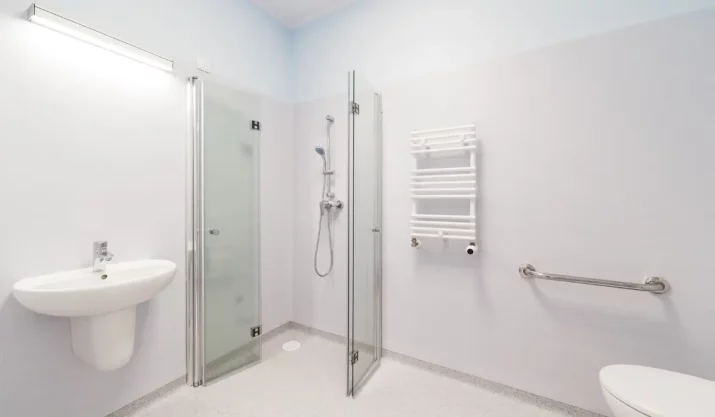
If you are planning a remodel or renovation, a shower conversion can create a walk-in shower with fewer barriers. A zero-threshold design may help with wheelchair access when drainage, shower bases, and floor slope are planned correctly.
Seating That Fits the Room and Your Routine
A shower seat should feel stable, easy to reach, and sized for the space. Built-in seating can work in a larger shower, while a removable shower chair may fit better in a tighter bathroom.
A transfer bench can help when stepping over a tub is no longer safe. The right setup lets you sit, wash, and stand without twisting around the controls or door.
Flooring That Stays Safer When Wet
Slippery surfaces create risk even when the shower layout is good. Non-slip mats can help for now, but they need to stay flat, drain well, and be cleaned so mildew does not build up underneath.
For a longer-term update, slip-resistant flooring or non-slip flooring can improve traction in the shower and on the nearby bathroom floor. Smaller grout lines may add grip, but they still need regular cleaning.
Where Shower Fall Risks Start
Many shower problems come from small details you deal with every day. A raised edge, wet landing spot, dim light, or sudden temperature change can affect how steady you feel.
The Step Into the Shower
The entry is often the hardest part because it asks you to balance on one foot while lifting the other. That can be tough with mobility issues, joint pain, or weakness after surgery.
A low-threshold entry, walk-in tub, or walk-in shower can reduce that climb and make the first step feel less risky.
Water on the Bathroom Floor
Water outside the shower can make the exit more dangerous than the shower itself. Splash from an open design, a poorly aimed handheld showerhead, or uneven shower bases can leave puddles right where you step.
In compact Sacramento-area bathrooms, there may not be much room to recover if your foot slides. Keep the landing area dry, open, and free of loose mats.
Poor Lighting and Low Contrast
Proper lighting helps you see the curb, floor slope, soap ledge, and edge of the shower seat. A motion-sensor night light can help when you use the bathroom early in the morning or after dark.
Contrast also matters. White acrylic walls, pale tile, and light flooring can blend together, making edges harder to judge.
Water Temperature Changes
A sudden scald can make you jerk back or grab the nearest surface. Controls should be easy to reach before you stand under the spray, especially once the floor is wet.
Clear handles, steady water temperature, and predictable water flow can make the shower feel more controlled from start to finish.
Matching Shower Setup Updates to Daily Mobility
The best update depends on how you move through the bathroom on a normal day. Focus first on the task that feels hardest, then choose safety features around that need.
If Standing Wears You Out
A shower chair or shower seat can help when fatigue, pain, or weakness makes standing through a full shower difficult. Place soap, shampoo, controls, and handheld showerheads within reach from the seated position.
Sitting should reduce strain, not create new reaching problems.
If Stepping Over the Tub Is the Main Barrier
When the tub wall is the problem, small accessories may not be enough. A shower conversion with a low-threshold entry can make daily bathing easier for many homeowners.
A zero-threshold option may support wheelchair use, but ADA-style planning, drainage, and floor slope need careful review before work begins.
If Someone Helps You Bathe
A caregiver needs room to help without blocking your exit or leaning over awkwardly.
Grab bars, a transfer bench, and built-in seating can make support safer for both people. Shower doors should open wide enough to allow for help during a transfer and should not limit access in an emergency.
That kind of planning gives loved ones more confidence, too.
If Bathroom Safety Connects to the Rest of the Home
Shower safety is often one part of a larger aging-in-place plan.
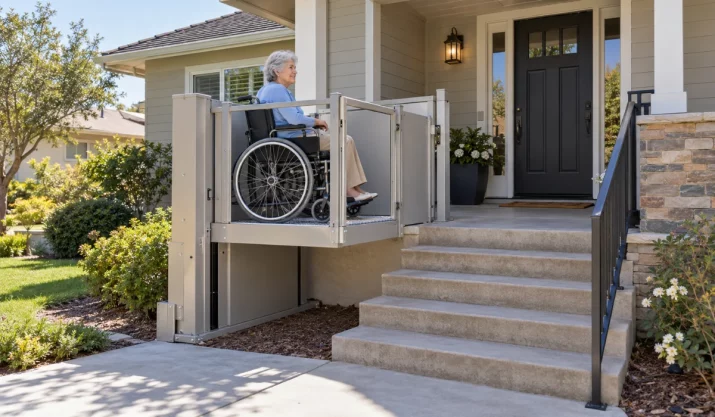
If stairs, entry steps, or raised thresholds make daily routines harder, the bathroom may not be the only area to review. California Mobility helps Sacramento-area homeowners evaluate ramps, stair lifts, and home lifts when safer movement through the home becomes the next priority.
Request a Sacramento In-Home Consultation
A safer shower plan starts by looking at how you enter, stand, sit, reach, and exit in your current bathroom. An in-home consultation can help you identify the main risk of falls, decide which bathroom safety updates belong in a shower remodel, and understand when mobility support outside the bathroom also needs attention.
California Mobility can help you look at the bigger home access picture.
For shower-specific work, use the consultation findings to ask clear questions about professional installation, warranty details, drainage, entry height, seating, and non-slip flooring. The next step should give you peace of mind because it addresses the source of the risk, not just the surface problem.