

Is a Shaftless Home Lift Right for Your Irvine Home
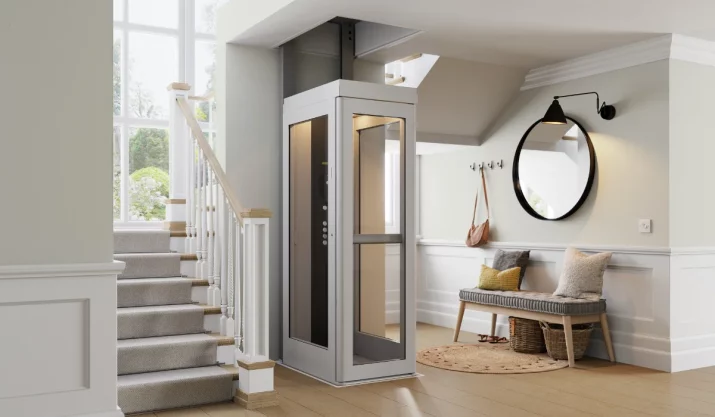
Table of Contents
If stairs are making parts of your Irvine home harder to use, a shaftless Home Lift may give you a safer way to move between levels. The issue is often one daily route, like reaching an upstairs bedroom, laundry area, or main living space.
This type of lift can help you age in place without planning for a full home lift shaft, hoistway, or machine room.
Key Takeaways
- A shaftless Home Lift can help Irvine homeowners age in place when one staircase is the main barrier.
- Fit depends on landing space, travel distance, floor opening options, and the rider’s mobility needs.
- Shaftless lifts have a small footprint, but they still need professional placement and installation planning.
- California Mobility can compare practical mobility solutions, including stair lifts, home lifts, Home Lifts, and wheelchair ramps.
Best Fits for Shaftless Home Lifts
Shaftless lifts work best when one stairway is limiting daily life. The right fit depends on the rider, the floor plan, and how often that trip between levels happens.
When One Staircase Is the Main Safety Concern
A shaftless Home Lift can be a good fit when stairs create the most strain in the home. You may still move well across flat surfaces, use walkers for support, or take your time getting around, but climbing between floors has become the hard part.
When You Want Access Without a Major Remodel
The shaft-less design can work well when a full home lift would require too much construction.
Because it does not need a full hoistway or machine room, a shaftless home lift may be retrofitted into certain layouts with less disruption than a larger hydraulic home lift.
When the Lift Only Needs to Serve Two Levels
A shaftless Home Lift is usually meant for a shorter travel distance between two floors. That can fit a two-story Irvine home where the main goal is reaching an upstairs bedroom, office, or bathroom without using the stairs.
When Steady, Controlled Use Matters Most
Many shaftless home lifts use constant pressure controls, so the rider stays engaged while the lift moves. This setup can feel comfortable for someone who wants a simple ride and safer access more than speed or a larger cab.
Space and Placement Requirements
Placement should start with how you move through the home. The right location needs safe access at both stops and a route that supports daily routines.
Clear Landing Space at Each Stop
A shaftless Home Lift needs open floor space on both levels so you can enter, exit, and move away safely. This matters even more if you use walkers or need a wheelchair accessible model, because tight turns can make the lift harder to use.
A Route That Matches Daily Routines
The best location should connect the spaces you use most.
In an Irvine home with an attached garage, upstairs bedrooms, or living areas on different levels, the lift should reduce the hardest daily trip instead of sitting in the easiest construction spot.
A Safe Opening and Support Path
Even a compact design needs the right floor opening, support, ceiling clearance, and guide rail system placement. A small footprint helps, but the home still has to accept the equipment safely.
Doors, walls, flooring, and nearby furniture can all affect the final location.
Power and Backup Needs
Most shaftless lifts are energy-efficient compared with larger home lift systems, but they still need proper electrical planning. Battery backup can help during power outages, and wireless call stations can make daily use easier.
These details should be checked before equipment is selected.
What a Mobility Specialist Confirms
A home assessment should match the equipment to the person who will use it. This helps you avoid choosing a lift that fits the space but does not fit daily movement needs.
How the Rider Moves Through the Home
A mobility specialist looks at walking ability, balance, transfers, and current mobility challenges. A shaftless home lift may be the right answer, but a stair lift, home lift, wheelchair ramps, or other mobility solutions may fit better depending on the routine.
Whether the Home Can Support the Lift
The assessment checks travel distance, landing clearance, floor structure, and the likely path for the guide rail system. It also rules out locations that would make the shaftless Home Lift hard to enter, exit, or use safely.
Whether Another Accessibility Solution Fits Better
Some homes need more than one change.
If the entry, garage step, or outdoor walkway is also creating problems, accessibility solutions such as wheelchair ramps may belong in the plan. For other homes, a larger Home Lift may make more sense.
Which Features Matter for Daily Use
A specialist can explain constant pressure controls, battery backup, wireless call stations, hydraulic drive options, and how shaftless lifts compare with other Home Lifts. The goal is to match the equipment to the rider, the home, and daily use.
Schedule an Irvine Home Lift Assessment
A shaftless Home Lift may be a strong fit if stairs are making your Irvine home harder to use safely. It can offer a space-efficient way to move between two levels without planning for a full home lift shaft, hoistway, or machine room.
California Mobility can inspect the home, review the person’s mobility needs, identify workable placement options, and explain what should happen next.
The right answer may be a shaftless Home Lift or a combination based on what the assessment finds.