

Stair Lift Remote Issues and Fixes for Sacramento Homes
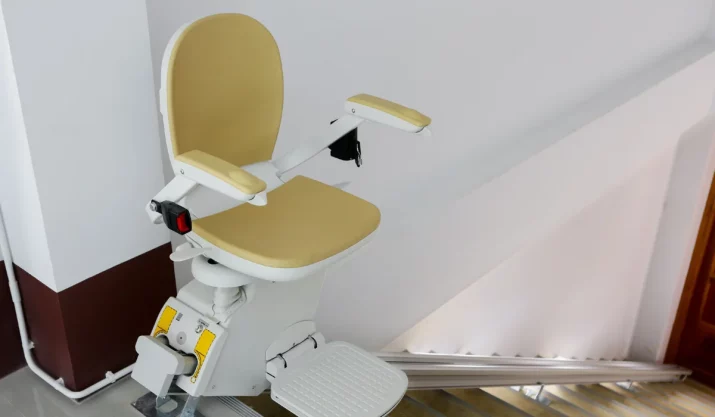
Table of Contents
When a stair lift remote stops working, the problem feels urgent fast. An older adult may be upstairs waiting for the chair, or a caregiver may need the lift ready before leaving for an appointment.
Most stairlift problems do not start with a major failure.
For Sacramento homeowners, the safest stair lift remote issues and fixes start with simple checks: the remote’s batteries, the power supply, the charging station, and any safety feature that may be stopping the lift.
Key Takeaways
- Start with the remote’s batteries, battery direction, key switch, and visible damage before assuming the stairlift has failed.
- If the lift works from the armrests, the remote control, signal, or remote connection may be the issue.
- Beeping, error codes, and indicator lights often point to power, charging, position, or safety conditions.
- Call for stair lift service if the lift stops on the rail, repeats the same symptom, or the cause is not clear.
Common Stair Lift Remote Issues
A stairlift remote can fail in a few clear ways, and the symptom helps narrow down what to check next.
The Remote Does Not Respond at All
When the stairlift remote does nothing, dead batteries are the most common cause. The remote’s batteries can run low without much warning, especially when several family members use the same remote throughout the week.
Avoid pressing the button again and again, since that can make it harder to notice beeping, indicator lights, or other signs from the lift.
The Lift Moves From the Armrests but Not the Remote
If the chair lift still runs from the armrests, the lift’s main function may be working. That points more toward the remote control, signal, or remote connection than the full stairlift.
Mention this during a phone call because it helps the technician understand what still works.
The Lift Beeps but Does Not Move
Beeping often means the stairlift is warning you about position, power, or a safety setting. Some units show error codes or indicator lights on the carriage, depending on the stair lift model.
If the owner’s manual is nearby, check the signal, but do not force the lift to move.
The Remote Works Only at One End of the Stairs
A malfunctioning stairlift remote that works upstairs but not downstairs may have weak batteries, a signal issue, or a parking problem.
In Sacramento homes with tight landings, walkers, shoes, pet supplies, or laundry baskets can also crowd the rail area and affect operation.
Simple Remote Fixes to Try
These checks are safe for most homeowners while waiting for technicians, as long as the lift is not moving unevenly or making unusual noises.
Replace the Batteries First
Install new batteries and make sure they face the correct direction. Do not mix old and new batteries, even if the remote lights up.
After replacing them, press the call or send button once, then give the stairlift a moment to respond.
Check the Key Switch and Power Supply
Make sure the key switch is on, and the lift has power. Check the outlet, circuit breaker, and any visible power supply connection near the rail.
If other items in that part of the home also lost power, the stairlift stopped working for a reason outside the remote.
Look for Obstructions Near the Rail
Small obstructions can stop a stairlift even when the remote works. Look for shoes, cords, canes, pet toys, or loose items near the footrest and rail.
If your lift has a hinge rail, confirm it is fully in the correct position before testing the remote again.
Confirm the Chair Is Parked Correctly
The chair may not respond if it is not seated properly on the charging station. Check that the swivel seat is locked, the armrests are positioned as required, and the chair is not turned slightly away from its travel path.
These common problems can look like remote failure when the lift is actually holding for safety.
When It’s Not the Remote
Sometimes the remote sends the signal, but another stairlift condition prevents movement.
The Safety Edge Is Being Triggered
The safety edge stops the lift when it contacts something in its path. If the lift starts, stops quickly, or refuses to travel in one direction, something may be pressing against the footrest or carriage edge.
Clear only visible items, then stop testing if the same symptom returns.
The Lift Is Not Charging
If the stairlift has not been resting on the charging station, the lift battery may be low. A Bruno Elan or another stair lift model may use beeping, error codes, or indicator lights to show a charging problem.
Replacing the remote’s batteries will not fix a lift battery that is not receiving power.
The Rail or Seat Position Is Stopping Operation
A swivel seat that is not locked can keep the stairlift from moving. A hinge rail that is not fully set can do the same. These built-in checks protect the rider, but from another floor, they can look like a remote control issue.
The Unit Needs Professional Maintenance
If the same stairlift problems keep coming back, the remote may not be the source. Worn contacts, sensor issues, charging trouble, or age-related parts can make the lift act inconsistently.
Stairlift maintenance helps identify the cause before a daily-use lift becomes unreliable.
Request Stair Lift Service in Sacramento
When the basic checks do not solve the issue, schedule stair lift service before more testing creates confusion. A technician can inspect the remote control, charging station, power supply, rail, chair position, safety edge, indicator lights, and controls to find where the problem starts.
This matters most when someone depends on the stairlift every day.
California Mobility can determine whether the issue comes from the stairlift remote, the lift battery, a safety feature, or another part of the system. The visit can also clarify whether the repair relates to the stair lift model, maintenance history, or warranty.
If the lift is beeping, stopping on the rail, ignoring the remote after new batteries, or showing error codes you do not recognize, make a service call. Our stair lift service can inspect the issue, explain the findings, identify the source, and recommend the right next step for safe daily use.