

Stair Lift Seat Height Tips for California Seniors
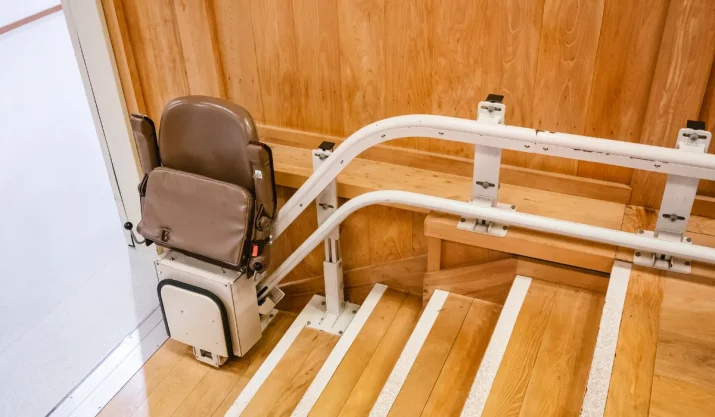
Table of Contents
For many seniors and patients in California, stairs can become difficult and stressful to use. A stair lift can make movement safer, but the chair still needs to fit the user properly. One of the most important details is seat height.
When the seat sits too high or too low, getting on and off the lift can feel awkward, tiring, or unsafe. That problem often shows up at the top landing or the bottom of the stairs, where balance matters most. At California Mobility, we review transfers, stop positions, and staircase layouts to help the lift work safely and comfortably.
Key Takeaways
- Proper seat height helps seniors transfer with less strain on the knees, hips, and back.
- Poor fit can affect the footrest, armrest, swivel, and comfort at each landing.
- Warning signs include sliding, hard standing, poor foot placement, and repeated beeps.
- California Mobility can assess indoor and outdoor stairlifts, ramps, wheelchair lifts, and home lifts to improve home access.
How Seat Height Affects Safe Transfers
A stair lift should do more than carry someone up and down the stairs. It should also help the rider sit down and stand up safely. That is why seat height matters so much.
Standing Up From the Chair
If the seat is too low, standing up takes more effort from the knees and hips. For elderly users and patients with joint pain, weakness, or balance issues, that extra strain can make transfers harder at both the top landing and bottom landing.
A better fit helps the user plant both feet, lean forward more easily, and stand with better balance. Many people notice the difference right away when the seat height matches their normal sitting position.
Sitting Down With Better Control
A chair that sits too high can make sitting down harder. Instead of lowering into the seat in a controlled motion, the rider may drop down too quickly or land off-center before the indoor stairlift starts moving.
When the seat height is right, the person can back up to the chair, feel the seat behind the legs, and sit down more comfortably at both landings.
Keeping the Feet Stable on the Footrest
The footrest and seat work together. If the chair is too high, the rider’s feet may hang above the footrest. If the chair is too low, the knees may sit too high and feel cramped during travel.
A good fit supports the thighs while keeping both feet flat on the footrest. That stable position helps the ride feel safer on straight stairlifts, curved stairlifts, and outdoor stairlifts.
Making the Swivel Easier at the Top Landing
Many stair lifts include a swivel or swivel seat to help the rider turn away from the stairs before standing. Many newer models are battery-powered, so the lift may still run during a power outage if the battery stays charged. That feature can help prevent a misstep on the last step.
If the seat height is off, the seat swivel may feel awkward during transfers near the top of the stairs. Proper fit can make turning and getting off the lift feel easier.
Improving Safety at Both Landings
Transfers should feel stable at both ends of the rail. When the fit is wrong, users may pause, shift position, or rely too heavily on nearby handrails during transfers.
Whether the home has straight stairlifts, curved stair lifts, or a folding rail near the bottom of the stairs, transfers should feel stable and predictable.
Signs the Seat Height Needs Adjustment
A stair lift may work normally even when the chair fit is wrong. That is why physical warning signs matter.
You Push Hard on the Armrest to Stand
If you need a strong push with both arms to stand up, the seat may be too low. Some effort is normal, but repeated strain often means the chair height is off.
Your Feet Do Not Rest Well on the Footrest
Your feet should sit flat on the footrest during travel. If your toes point downward or your knees feel cramped, the seat height may not match your leg length.
You Slide Forward While Riding
Sliding forward is another common warning sign. It can mean the chair is not supporting the body correctly. It can also affect how the seat belt rests on the body.
The Swivel Feels Awkward Near the Top Landing
A swivel seat should help you turn and exit with less twisting. If stepping off near the top stairlift landing feels cramped, the seat height may need adjustment.
The Lift Gives Frequent Beeps
Repeated beeps can point to several issues. On some stair lift models, beeps may indicate issues with the charging strip, charger, connector, safety sensors, gear rack alignment, or the parking position at the ends of the rail.
In some cases, the rider’s position can affect how the lift starts or stops, so users should check for repeated beeps right away.
Tips for a Better Stair Lift Fit
Adjust stair lifts carefully because the full setup matters, not just the chair.
Start With Simple Measurements
A tape measure can help you check seat height. Measure from the floor to the back of the knee while seated in a regular chair. That can help guide adjustable seat height settings.
Review the Footrest and Armrest Together
The footrest and armrest should support a natural seated posture. Built-in safety features such as seat belts, swivel locks, and obstruction sensors also work best when the chair fits the rider correctly. If one part feels right but the other does not, the overall fit may still be off. Checking all of these features together can help you choose the right stair lift.
Test the Lift at Both Ends
Do not judge fit from one transfer alone. Test the lift at the bottom landing and top landing because stair tread angles, landing space, and stop positions can affect comfort.
Check the Rail Setup
The problem may involve more than seat height. Rail brackets, mounting screws, fasteners, stairlift rail position, and overall rail installation can affect how the chair lines up with the landing. In some homes, a folding rail also changes how the chair meets the floor.
Watch the Charging and Stop Points
If the chair stops in the wrong spot, getting off the lift can feel harder, even with the seat height set properly. The charging strip, connector, charger, limit cam, off switch, and lift stops all affect where the chair lands. On some units, poor alignment can cause beeping or missed charging at the ends of the rail.
Match the Fit to the Stair Lift Model
Each stair lift model has its own layout. Straight stair lifts, curved stair lifts, and two-rail systems handle transfers differently. Seat size, weight capacity, and rail length can also affect how secure the ride feels for different users.
Schedule a California Stair Lift Assessment
A proper stair lift fit depends on both the user and the staircase. That is how experienced professionals approach stair lift installation and adjustment.
At California Mobility, we help California homeowners with indoor stairlift systems, outdoor stairlifts, ramps, wheelchair lifts, home lifts, and domestic lifts. Whether you already use a chair lift or are comparing options, our team can check your setup and suggest ways to improve comfort and safety. We can also review warranty coverage and issues related to Bruno stair lift systems.
If your lift feels harder to use than it should be, contact us today to schedule your stair lift assessment.