

What a Gait Belt Does and Why Caregivers Swear by It
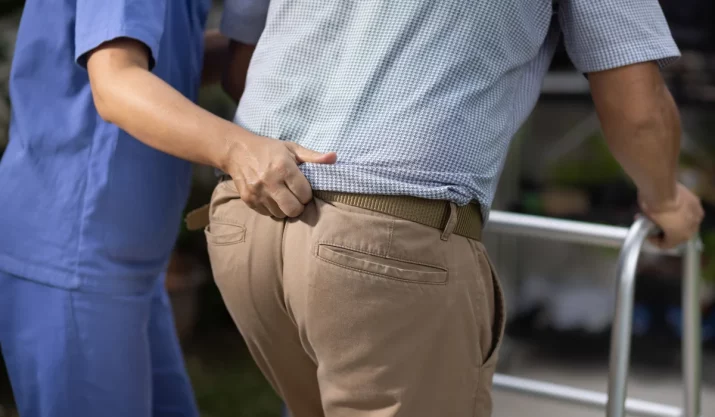
Table of Contents
A gait belt is a simple transfer aid that gives caregivers a secure place to hold when helping someone stand, move between surfaces, or walk with assistance. It can make everyday mobility feel more controlled, especially when the person can still participate but needs help with balance or stability. In this guide, you’ll learn how to put a gait belt on correctly, where to place your hands, how to protect your back during transfers, and when the belt is most useful. Find out when not to use one and which common mistakes can make a transfer harder.
Key Takeaways
- Used appropriately, a gait belt is an inexpensive tool that can help both the caregiver and the person being supported feel more confident during routine movement.
- Correct gait belt placement, hand position, and body mechanics help you stay close and avoid unnecessary strain on your back.
- A gait belt works best when the person can participate in the movement. It shouldn’t replace a mechanical lift or extra assistance when more support is required.
What a Gait Belt Does During Safe Transfers
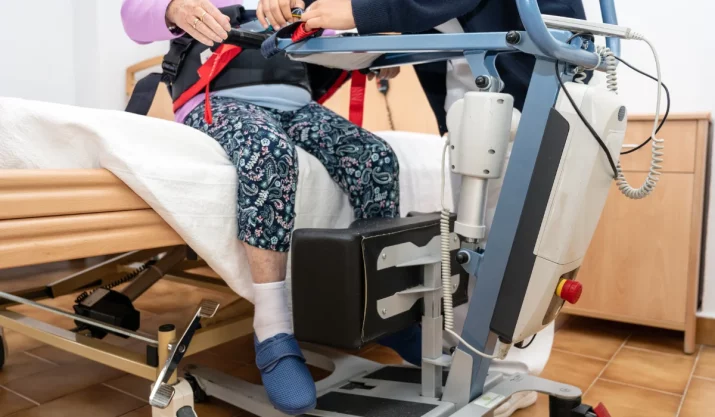
A gait belt, also called a transfer belt, fastens around the waist before a caregiver helps someone stand, pivot, or walk. Its purpose is simple: it gives you a more reliable place to hold during movement. That can be especially helpful when the person can bear some of their own weight but still needs support with balance, direction, or stability.
Without a secure handhold, caregivers may react by grabbing an upper arm, shoulder, or clothing when balance shifts. A gait belt keeps your grip closer to the person’s body, which can make the movement easier to guide and less awkward for both of you. The person can still push through their legs, use the chair arms, or follow verbal cues while you provide support where it’s needed.
Falls are a common concern for older adults. The Centers for Disease Control and Prevention (CDC) about one in four older adults age 65 and older fall each year in the United States. About 37% of those who fall report an injury that requires medical treatment or limits activity for at least one day.
A gait belt doesn’t prevent every fall, and it isn’t appropriate for every person. But it has a more practical value: it gives you a dependable handhold during certain transfers and assisted walking, which can make the movement feel more controlled and predictable.
| A Gait Belt Can Help With | What It Doesn’t Replace |
| Providing a secure caregiver handhold | A mechanical patient lift |
| Assisting certain sit-to-stand transfers | A professional mobility assessment |
| Helping with an appropriate pivot transfer | A prescribed walker or cane |
| Supporting short periods of assisted walking | Two-person assistance when needed |
| Keeping the caregiver close during movement | Treatment for weakness or balance problems |
The belt should assist the transfer, not do the transfer for the person. If you find yourself lifting most of their body weight, the situation may call for different equipment, another helper, or guidance from a healthcare professional.
How to Use a Gait Belt Correctly
Learning how to use a gait belt starts before the person stands. Placement, grip, and your own stance all affect how controlled the transfer feels.
Gait Belt Placement
Put the gait belt on while the person is sitting or otherwise stable. Position it around the waist over clothing when practical, then fasten the buckle and remove enough slack that the belt stays in place when you take hold of it.
A secure fit shouldn’t feel restrictive. The person should be able to breathe normally, and the belt shouldn’t dig painfully into the abdomen. If it shifts several inches when you grip it, it’s too loose. If the person is uncomfortable before the transfer begins, it’s too tight.
Check what is underneath the belt before moving. Don’t place it over a painful area, wound, recent surgical site, feeding tube, drain, ostomy, or another medical device unless a healthcare professional has shown you how to handle that situation.
Gait Belt Hand Placement
Good gait belt hand placement starts with staying close. The farther away you stand, the more your arms and back have to work when the person’s weight shifts.
Use the grip recommended for the transfer you have been taught. In many situations, caregivers hold the belt securely from the side or back and grip from underneath rather than pinching the top edge with their fingertips. Avoid using the buckle itself as your main handhold.
Keep your elbows closer to your body instead of reaching with straight arms. That position gives you more control and makes it easier to guide the movement without turning the belt into a lifting strap.
Body Mechanics That Protect Your Back
Your feet and hips do more work than your arms during a well-controlled transfer. Keep your feet apart so you have a stable base, and bend through your hips and knees rather than folding forward at the waist.
If the person needs to turn, move your feet with them. Twisting your spine while supporting someone else’s weight puts your back in a poor position. A small step is easier to control than trying to rotate from the waist.
The Occupational Safety and Health Administration recommends reducing manual patient handling and using appropriate equipment instead of relying on caregiver strength alone. While the guidance comes from healthcare settings, the same basic lesson applies at home. Good body mechanics help, but they don’t make an unsafe transfer safe.
| Better Caregiver Body Mechanics | Avoid |
| Keep the person close | Reaching with straight arms |
| Use a stable stance | Standing with your feet together |
| Bend through your hips and knees | Pulling from your lower back |
| Step when changing direction | Twisting through your spine |
| Let the person participate | Lifting their full weight with the belt |
| Stop if the transfer feels too heavy | Forcing the movement to completion |
When a Gait Belt Helps Most
A gait belt for seniors is most useful during movements that require balance and coordination rather than full lifting. The person may be able to stand or walk on their own to some degree but still need support during the transition.
Standing Up From a Chair
Standing from a chair combines forward movement, leg strength, and balance. Before the person rises, help them move toward the front of the seat if that is part of their usual transfer method, and make sure their feet are positioned for standing.
Stay close as they rise and use the gait belt to guide rather than pull. Once they are upright, give them a moment to settle before asking them to turn or take a step. That short pause helps keep the transfer controlled.
Getting Out of Bed
Getting out of bed usually happens in stages. The person first moves from lying down to sitting at the edge of the bed. The belt becomes useful once they are seated securely and ready for the standing part of the transfer.
Don’t use the belt to drag someone from lying to sitting. If they feel dizzy or weak after sitting up, stop there and follow their medical guidance rather than rushing into standing.
Moving to a Wheelchair or Walking
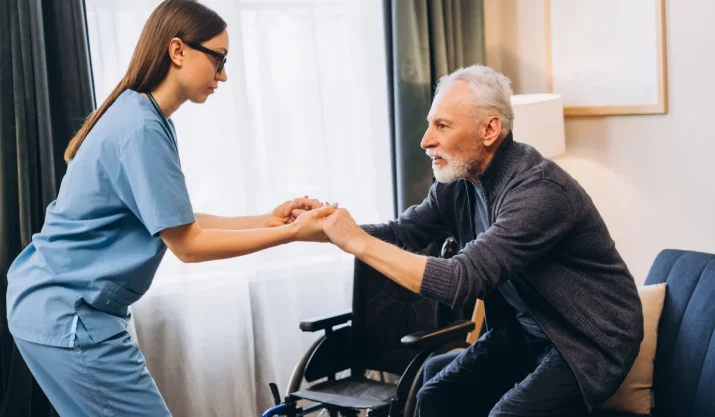
A gait belt can also help with an appropriate pivot transfer between nearby surfaces. Position the wheelchair or chair before the person stands, and clear the path so you aren’t reaching for brakes, moving furniture, or stepping around clutter once the transfer begins.
During walking assistance, the belt gives you a way to stay close without gripping the person’s arm or clothing every time their balance changes. It doesn’t replace a walker, cane, or another prescribed mobility device. If they normally use one, continue using it as directed.
These are the moments when an inexpensive transfer belt can make a noticeable difference. The caregiver has a consistent place to hold, while the person being assisted can focus on standing, stepping, and following the movement instead of wondering where support will come from.
When You Shouldn’t Use a Gait Belt
Knowing when not to use a gait belt matters just as much as learning how to put one on. The belt is designed for controlled assistance, not for lifting someone who can’t safely participate in the transfer.
Someone who can’t bear enough weight for the planned movement may need another transfer device, a mechanical lift, or help from more than one trained person. Trying to make a gait belt do the job of larger equipment puts both people in a difficult position.
Health changes can also affect transfer safety. A recent fall, hospitalization, surgery, stroke, or sudden change in strength may mean the person’s usual transfer method needs to be reassessed before you use it again.
Common Gait Belt Mistakes to Avoid
Don’t use the belt as a lifting strap or pull someone straight upward by it. The person’s legs should do what they safely can, while the belt helps you guide and steady the movement.
Avoid pulling on the person’s arms, starting before both people know the plan, or standing several feet away with your arms extended. A simple count before standing can help you move together instead of reacting to each other.
The environment matters too. Wet flooring, loose rugs, clutter, poor lighting, or a pet underfoot can make even a familiar transfer harder. Clear the route before the person stands.
If you suddenly find yourself supporting much more weight than expected, stop rather than trying to muscle through the movement. A gait belt is useful because it improves control, not because it lets one caregiver handle every situation alone.
Making Everyday Mobility Easier at Home
A gait belt solves one specific problem well. It gives you a secure handhold during transfers and walking assistance without taking up much space or requiring complicated equipment. When the person can safely participate, that extra control can make common movements feel more manageable for both sides.
It can’t fix a home that has become difficult to navigate. Stairs, raised entrances, split levels, and other changes in height can still make everyday mobility harder even when individual transfers are handled correctly. In those cases, changing the environment may do more than trying to work around the same obstacle every day.
California Mobility helps families address those larger accessibility barriers with ramps, stair lifts, and home lifts. If a gait belt makes the transfer easier but the home itself is still limiting movement, contact California Mobility to talk about practical options that can help make your space easier to use.