

Stair Lift Fit Tips for Tall Users in Sacramento Homes
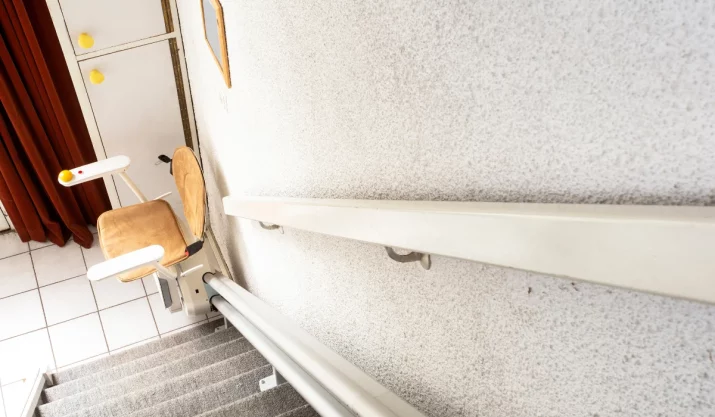
Table of Contents
A stair lift helps you move between floors in a multi-level home, especially if you have limited mobility or use a scooter. Many homeowners use stair lifts to stay safe and maintain independence. For taller users, standard seat designs can limit legroom and feel cramped.
If you live in Sacramento and are considering a stair lift, the right fit matters as much as safety features and stair lift cost. The tips below cover key measurements, comfort features, and stairlift models to review before stair lift installation.
Key Takeaways
- Tall users should check seat height, armrests, and footrest spacing before choosing a stair lift.
- Measuring stair tread depth and staircase length helps confirm the right type of stairlift.
- Features like a swivel seat, safety sensor, and power footrest improve comfort and safety.
- Professional installation allows homeowners to choose durable stairlift models that fit Sacramento homes.
Fit Tips That Matter for Tall Users
Tall homeowners often need a few adjustments so the stair lift fits properly on a home’s straight or curved staircase.
Seat Height and Legroom
Seat height is one of the most common issues for tall users. Many older adults choose stair lifts to stay safe and support independent living. If the seat is too low, your knees sit higher than your hips. This position can make it harder to stand safely at the top of the staircase.
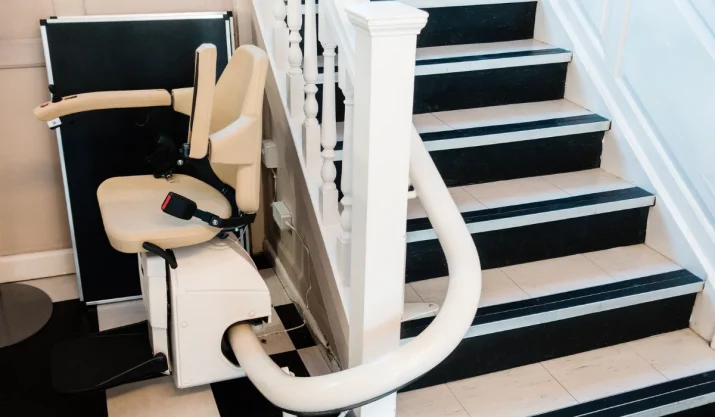
The Bruno stairlift, including the Bruno Elan, offers an adjustable seat height to better fit taller users. Many indoor stair lift systems provide smoother operation, improved legroom, and a more natural sitting position on the staircase.
Setting the seat height lets your feet rest comfortably on the footrest and keeps your knees at a natural angle. This seat position makes it easier to stand up at the landing and keeps the stair lift stable during everyday use.
Armrest and Seat Width Spacing
Armrests should support your arms without feeling tight. Taller riders often have wider shoulders, so armrest spacing matters when comparing the best stair lifts.
Some stairlift models include adjustable armrests or wider seats as part of their custom options. These features create more space for your upper body.
Proper spacing also improves safety. When you sit comfortably, the seat belt fits correctly and keeps you secure during the ride.
Footrest Position and Knee Clearance
Footrest placement affects comfort. If the footrest sits too close to the seat, tall riders may have to bend their knees too much. Stair lift space requirements matter here, especially for taller users.
A power footrest adjusts automatically and reduces how much you need to bend when getting on or off the stair lift.
When you set the footrest at the right height, your feet stay supported, and your knees have enough clearance from the staircase.
Quick Measurements to Confirm Tall-User Comfort
Before choosing a stair lift, installers measure the staircase and seating position. These measurements show whether the system will work for tall riders.
Staircase Length and Rail Space
The full length of the staircase determines the rail used during stair lift installation. Some homes use a straight stair lift, while others require custom curved stair lifts. These design differences are a major reason why straight and curved stairlifts have different prices.
Many Sacramento homeowners live in multi-level homes with turns or landings on their stairways. Measuring the staircase helps installers choose the correct rail design.
Accurate measurements make it easier to estimate stair lift cost and installation time more clearly.
Stair Tread Depth and Clearance
Each stair tread must have enough space for the rail and footrest. Older homes sometimes have narrow staircases that require compact stairlift models.
Installers measure tread depth and staircase width before installation. This step shows if the stair lift can fit safely without significantly blocking the steps.
A folding rail can also help when the bottom of the stairs sits near a doorway or hallway.
Tall riders need enough headroom during the ride. Measuring the distance between the seat and the ceiling shows if the stair lift supports a comfortable posture.
Measuring seat-to-ceiling height is especially helpful in homes with low ceilings or angled stairways.
Tall-User Features to Ask For
Some features make a stair lift more comfortable for taller riders.
Swivel Seat and Power Swivel
A swivel seat lets the chair lift rotate at the top landing. The swivel seat makes it easier to get off the stair lift without twisting your body.
Some stairlift models also include a power swivel. This feature rotates the seat automatically when the stair lift reaches the landing.
For tall homeowners, this creates more space to stand safely.
Heavy Duty Weight Capacity Options
Heavy-duty stair lifts with higher weight capacity can offer a better fit for some taller riders. These models often include wider seats and stronger rails.
According to the National Council on Aging, stair lifts can be upgraded to higher-capacity models, enabling heavy-duty units to support significantly more weight than standard designs safely.
Heavy-duty systems are built for frequent use and can be a practical option for busy households. Some Sacramento homeowners planning for long-term use choose systems with strong frames and a lifetime warranty or extended coverage.
These stair lifts also include safety features, such as a safety sensor that stops the lift if an object blocks the rail.
Battery-Powered Operation
Most modern stair lifts are battery-powered. Battery power allows the stair lift to keep working during a power outage, depending on the model and battery condition.
The batteries recharge automatically when the chair returns to its charging station. Automatic recharging keeps the stair lift ready for use throughout the day.
Some homeowners also install outdoor stair lifts for decks or exterior access points. These systems are built for outdoor staircases and include weather-resistant components designed for long-term outdoor use.
If you need to move between levels while seated in a wheelchair or mobility scooter, a platform lift may also be an option.
Book A Sacramento In-Home Stair Lift Fit Check
Tall homeowners sometimes find that a standard stair lift feels cramped after installation. Seat height, armrests, and footrest spacing all affect comfort while riding up a staircase.
At California Mobility, we help Sacramento homeowners compare stairlift models, review customer reviews, and evaluate options from different stairlift dealers to select the right stairlift. Professional installation helps make sure the stair lift is properly fitted to your staircases and equipped with appropriate safety features for everyday use.
If you want the best stair lift for your home, contact us to request a quote and schedule an in-home assessment.