

How to Reduce Platform Lift Noise in San Diego
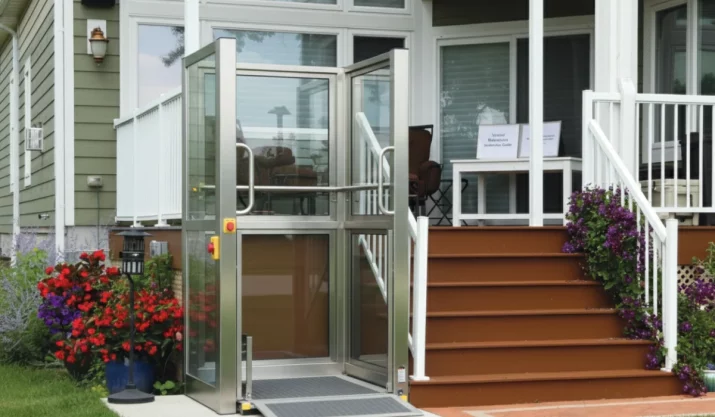
Table of Contents
A new grinding, rattling, or squealing sound can make a platform lift feel less dependable fast. If your platform lift has gotten louder, the first step is to figure out what sound changed and when it happens. It will make some operating noise, but it should not grind, bang, squeal, or shake during a normal ride.
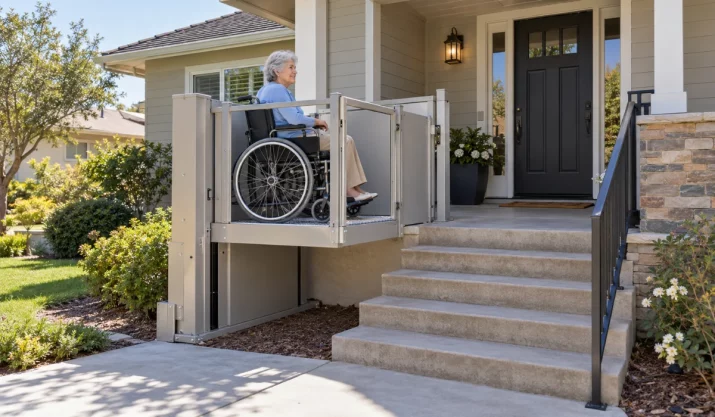
For many San Diego homeowners, the noise starts on an outdoor lift at a porch, a side entry, a garage landing, or a patio access point. Here is what you can check safely, what sounds call for service, and when to schedule an evaluation.
Key Takeaways
- New lift noise is easier to diagnose when you note where it happens, how it sounds, and whether it occurs with a wheelchair, scooter, or empty platform.
- Safe homeowner checks include clearing the platform area, confirming weight capacity, and listening for loose exterior parts.
- Grinding, clanking, squealing, and humming without movement can point to service needs.
- A lift evaluation checks the drive system, guide rails, safety features, controls, and fit for daily home accessibility.
Practical Ways to Reduce Lift Noise
Some vertical platform lift noise comes from everyday use, not a major equipment failure. Start with visible, safe checks before assuming the drive system needs repair.
Clear the Lift Platform and Nearby Landing
A vertical platform lift (VPL) can get louder when small items sit near its travel path.
Look for gravel, leaves, loose mats, pet toys, or stored items around the platform and landing. This is common with outdoor use, especially when a porch lift or low-rise wheelchair lift sits near a patio, garage, or side yard.
Keep the area clear so mobility devices can roll on and off without scraping or dragging.
Stay Within the Listed Weight Capacity
A vertical lift may sound strained when the user, wheelchair, scooter, bags, and caregiver support exceed the listed weight capacity. That strain can affect quiet operation, functionality, and the smooth ride you expect from home accessibility equipment.
Check your model’s key features, platform sizes, and lifting height instead of guessing. If the lift sounds different with scooters or heavier mobility devices, mention that during service.
Note Loose Covers, Gates, or Landing Parts
A rattle does not always mean the motor is failing. The sound may come from a loose cover, gate latch, landing plate, or nearby part vibrating as the lift moves.
Homeowners can listen for where the noise starts, but they should not remove covers or adjust moving parts. A technician can tell whether the issue is a simple hardware movement or an early malfunction.
Keep Regular Maintenance Scheduled
Regular maintenance helps catch wear before the lift becomes loud or unreliable. A technician can check guide rails, moving parts, controls, safety features, and outdoor lift exposure.
This is a cost-effective way to protect a home lift, especially when wheelchair users depend on it every day. It also helps confirm the equipment still fits your accessibility needs.
When Noise May Need Service
A sound needs service when it is new, getting louder, or tied to rough movement, slow response, or stopping. These noises are worth taking seriously.
Grinding Along the Guide Rails
Grinding near the guide rails can mean the vertical platform lift is meeting resistance as it travels. You may hear it at one height instead of through the full ride.
Stop using the VPL if the grinding is harsh, happens every trip, or comes with jerky movement. That sound needs a closer look before it affects safety standards or daily use.
Clanking at Startup or Stop
A clank when the lift starts or stops can point to a loose connection, a worn part, or a load-related issue. It may sound like metal shifting under the platform or near the landing. This is different from normal operating sound.
If the clank appears suddenly, schedule service before the wheelchair lift becomes harder to control or trust.
Squealing During Travel
Squealing is usually sharp and mechanical. It can point to moving parts that need inspection, adjustment, or service. For an outdoor lift, the sound may stand out because the equipment sits near open entries, patios, or garage access points.
Do not try to quiet it with household products unless your owner’s manual clearly says to do so.
Humming Without Platform Movement
A hum with no platform movement can signal an electrical or control issue. It may happen after a power outage, when the emergency stop has been pressed, or when the lift does not reset as expected.
Do not keep pressing the controls.
Service can check the controls, safety features, and power response before the issue becomes harder to diagnose.
What a Lift Evaluation Checks
A lift evaluation checks the parts tied to safe operation, reliable access, and the way the lift works in your home.
Drive System and Moving Parts
The drive system is a priority when a vertical platform lift becomes louder. A technician checks movement, vibration, wear points, and whether the lift works harder than it should.
This separates normal sound from a mechanical issue that could affect functionality. It also gives you clearer information before discussing repairs, replacement, or prices.
Guide Rails and Travel Path
Guide rails, gates, landings, and the full travel path all affect noise. Scraping, thumping, or vibration can happen when the lift rubs, shifts, or meets resistance.
This check matters for low-rise porch lifts and other lift solutions used outdoors, where debris and moisture can collect around the platform area.
Safety Features and Controls
The evaluation should include gates, interlocks, controls, and the emergency stop. These safety features help the lift respond correctly before, during, and after travel.
The technician can also test the operation after a power outage or repeated stop-start issues. A user-friendly lift should not feel unpredictable.
Fit for the User and Home
Noise can also come from how the lift is being used in home access routines. The technician may review lifting height, platform sizes, wheelchair or scooter use, and daily transfer habits.
If your mobility challenges have changed, the current setup may need adjustment. Depending on the home and accessibility needs, other mobility solutions may also be worth discussing.
Schedule a San Diego Lift Evaluation
If your vertical platform lift has become louder, rougher, or less dependable, schedule a lift evaluation before the problem grows. The visit should identify where the sound starts, check safe operation, and explain the next step in plain terms.
California Mobility helps San Diego homeowners with home accessibility equipment, including home lifts, stairlifts, and ramp solutions. A service visit can help you understand whether the noise comes from debris, wear, the drive system, controls, guide rails, or how the equipment is being used.
For a clearer answer, schedule a San Diego lift evaluation with California Mobility. You will get findings tied to your lift, your accessibility needs, and the right next step for safer, quieter operation.