

Caregiver Burnout Signs and Support in San Francisco

Table of Contents
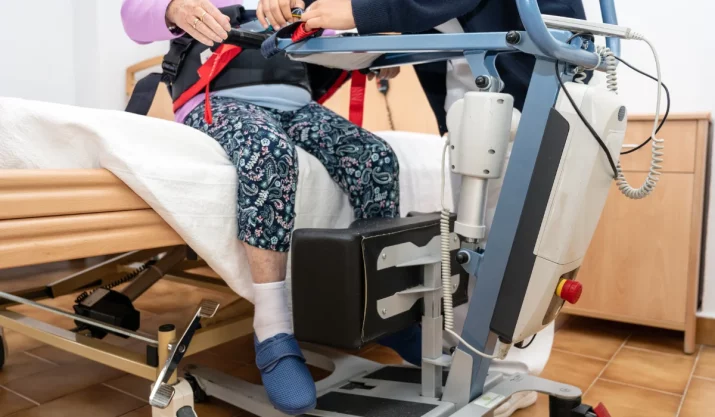
When you are helping an aging parent, spouse, or mobility-limited loved one move around a multi-level San Francisco home, burnout can build into ordinary routines. A trip up the stairs, a bathroom transfer, or getting out the door for an appointment can start to feel like a full-body effort.
Caregiver burnout signs are easy to miss when you are focused on keeping someone else safe. The right local support can include caregiver resources, respite care, and home mobility changes that reduce strain on both you and the person you care for.
Key Takeaways
- Caregiver burnout can show up as emotional exhaustion, physical symptoms, poor sleep, isolation, and skipped care for your own needs.
- San Francisco’s multi-level homes can increase caregiver stress when stairs, tight turns, and separated rooms require hands-on help all day.
- Stair lifts, ramps, and home lifts can reduce lifting, stair support, transfers, and daily risk.
- A home assessment helps match the right solution to your loved one, the care routine, and the property layout.
Caregiver Burnout Signs to Watch For
Burnout often shows up before a family caregiver calls it by name. You may notice changes in your patience, energy, sleep, or your own health while still doing everything you can for the care recipient.
Emotional Exhaustion That Stays With You
Emotional exhaustion is one of the common signs of caregiver burnout.
You may feel numb, tearful, short with family members, or unable to recover after a hard day. Compassion fatigue can set in when the caregiver role leaves little room for rest, privacy, or emotional support.
Physical Symptoms From Ongoing Strain
Caregivers experience physical symptoms when chronic stress and hands-on care build up. Back pain, headaches, high blood pressure, poor sleep, and frequent illness can point to strain on your immune system.
If you are ignoring health problems or not getting enough sleep, talk with a healthcare provider before stress levels affect your physical health further.
Pulling Back From Support
One of the early signs of caregiver burnout is isolation. You may stop calling friends, skip a support group, or feel too tired to explain what help you need.
Caregiver support groups, mental health professionals, healthcare professionals, and respite care services can give you short-term relief before mental exhaustion becomes harder to manage.
Letting Your Own Needs Disappear
Taking care of yourself is part of safe caregiving.
Missed appointments, skipped meals, poor self-care, and constant worry can harm your emotional and mental health and overall well-being. Your loved one’s needs matter, but your own needs affect how long you can keep providing care at home.
Home Mobility Barriers That Add Strain
In San Francisco, caregiving often happens inside older homes, stacked flats, and narrow floor plans that were not built for walkers, wheelchairs, or frequent transfers.
Small layout problems can turn basic movement into daily caregiver stress.
Stairs That Require Constant Supervision
Stairs can make every trip feel risky when a loved one has balance issues, joint pain, weakness, Alzheimer’s disease, or another medical condition. You may stand below them, carry items separately, and watch every step.
That steady focus adds mental health strain even when no fall happens.
Tight Hallways, Landings, and Turns
A walker, wheelchair, or transport chair needs more room than many older homes provide. Tight turns, small landings, and furniture near walkways can force you to guide, lift, or reposition your loved one.
Those small corrections add up when you are already handling other caregiving duties.
Key Rooms on Different Levels
When the bedroom, bathroom, kitchen, or main entry sits on another floor, personal care becomes harder. Your loved one may avoid moving around, and you may end up carrying meals, medication, clothing, and supplies between levels.
Over time, the layout can increase dependence.
Workarounds That No Longer Feel Safe
A stronger grip on the railing, a chair near the stairs, or a family member spotting each trip may help for a while. These workarounds can become unsafe as mobility changes.
If your day revolves around stair trips, transfers, or entry steps, the home may need a better lift solution.
Accessibility Upgrades That Ease Caregiving
The right accessibility upgrade can reduce the need for lifting, spotting, and repeated transfers. It can also help your loved one move through the home with less dependence on one primary caregiver.
Stair Lifts for Daily Floor-to-Floor Access
Stair lifts can help a loved one move between levels without relying on your strength or timing. Indoor and outdoor stair lifts may fit stairs that block access to bedrooms, living areas, garages, or entries.
For many family caregivers, reducing assisted stair travel lowers caregiver stress quickly.
Ramps for Safer Entries and Exits
Ramps can make appointments, home care visits, and family outings easier. Instead of lifting a wheelchair over a threshold or coaching each step at the entry, you can focus on getting your loved one out safely.
Ramps can also help care services and respite care providers enter the home more easily.
Home Lifts for Wheelchair Access
Home lifts can help when stairs are no longer safe and a stair lift is not the right match. They may support wheelchair users, people with advanced mobility loss, or households trying to keep care at home rather than moving sooner toward assisted living or memory care.
A home lift can also reduce strain on your back and shoulders.
Schedule a Free San Francisco Home Assessment
If you are seeing symptoms of caregiver burnout, the home layout may be adding more strain than you realize. In San Francisco, a free in-home assessment can pinpoint the stairs, entries, turns, and level changes that make caregiving harder.
California Mobility can inspect the space, listen to how your loved one moves through the home, and explain which option fits best. You get clear findings and a practical next step, so daily care feels safer and more manageable.