

Stair Lift Safety Checklist for Los Angeles Families
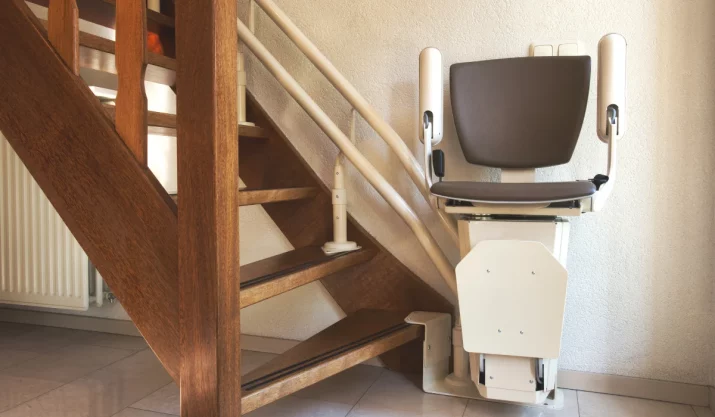
Table of Contents
A stairlift can make everyday life safer and more comfortable for older adults, patients, and caregivers. In many Los Angeles homes, especially homes with multiple levels or outdoor access points, these systems help older adults move safely and stay independent. However, even the most advanced stairlift needs proper use and regular maintenance to operate safely.
That’s why a stairlift inspection checklist helps. Families can follow simple safety steps used during professional inspections. In this guide, you’ll learn how to check your stairlift before use, build safer riding habits, and keep everything in proper working order for your loved ones.
Key Takeaways
- A quick inspection checklist before each ride helps prevent unexpected issues.
- Using the seatbelt and swivel seat reduces the risk of falls.
- Regular maintenance keeps moving parts working smoothly and extends the lifespan.
- Professional inspections can help identify safety concerns and support reliable stairlift performance.
Before Using the Stair Lift
Before using the indoor stairlift, take a few moments to check that everything is ready. This step may seem small, but it can prevent bigger safety concerns later.
Check the Rail for Obstructions
Start by scanning the rail and stairway. Items like shoes, cords, or small debris can obstruct movement. Even though modern stair chair lifts include stop switches, a clear path helps the stairlift move safely.
Make Sure the Footrest Is Clear
Next, take a look at the footrest. It should be open and free of objects. If something presses against it, the stairlift may stop automatically for safety.
Check the Seat, Armrest, and Swivel Seat
Before sitting down, confirm that the seat is locked in place. Both armrest supports should feel secure, and the swivel seat should rotate smoothly and lock firmly when positioned for travel. If anything feels loose, stop using the stairlift until a technician checks it.
Test the Seatbelt
The seatbelt is one of the simplest yet most important safety components. Make sure it clicks properly and is not worn out, especially for older adults who need extra support.
Review Controls and Battery Status
Many stairlifts are battery-powered, so check that the unit responds when you press the controls. If it seems slow or unresponsive, it may need charging or service. The user manual can help new stairlift owners learn how to operate their stairlift properly.
Confirm the Weight Limit
Every unit has a maximum weight limit. Staying within this range helps the stairlift run safely and reduces strain on the system.
Safe Riding Habits for Family Members
After users complete the safety checks, they should use the stairlift correctly. These habits help reduce safety risks, especially in homes that use stair lifts every day.
Always Use the Seatbelt
Even for short trips, always use the seatbelt to keep the rider secure.
Sit Fully Back Before Starting
Make sure the user is seated properly before starting the stairlift. Sitting upright and centered helps the rider stay balanced.
Keep Hands on the Armrest
Holding the armrest can help people with mobility challenges stay steady during the ride.
Use the Swivel Seat Safely
At the top of the stairs, rotate the swivel seat fully before standing so the rider faces away from the staircase.
Avoid Overloading the Stairlift
Always follow the maximum weight guidelines. Exceeding the weight limit can damage the stairlift and create safety problems.
Stay Focused During Operation
Users should stay focused while the stairlift is moving. Caregivers should help when the user is unfamiliar with the stairlift or needs assistance.
Ongoing Safety Checks at Home
Beyond daily use, regular maintenance helps keep the stairlift safe and in working order.
Clean Surfaces with a Damp Cloth
Dust and dirt can build up over time, so it’s important to wipe down the seat, armrest, and rail with a damp cloth. Keeping surfaces clean helps the stairlift operate smoothly.
Lubricate Moving Parts
Lubricate moving parts only as specified in the manufacturer’s user manual or maintenance guidance. Proper lubrication helps moving parts work smoothly.
Check the Battery-Powered System
Check that the charging system works properly. Some battery-powered stairlifts can still operate during power outages.
Inspect Handrails and Surrounding Areas
Take a look at nearby handrails and the general stair area. A clear stair area helps prevent accidents.
Listen for Unusual Sounds
If the stairlift makes new or unusual noises, schedule an inspection right away.
Follow a Regular Maintenance Checklist
Routine stair lift maintenance can help keep the system in working order. Professional technicians often use a maintenance checklist to inspect safety features and check for problems.
Schedule a Los Angeles Stair Lift Assessment
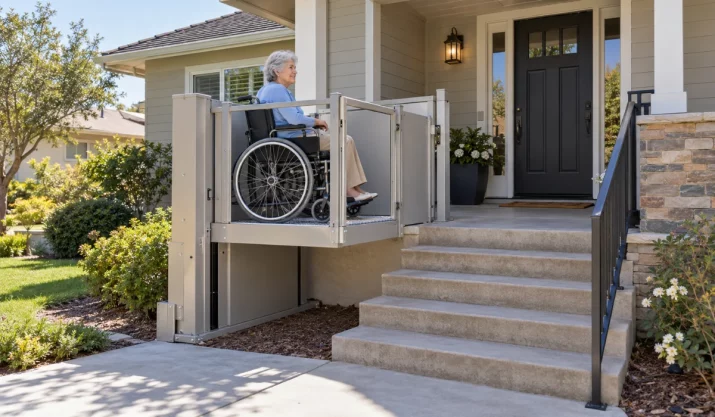
If your stairlift has not been inspected recently or is not operating normally, schedule a professional inspection. Many Los Angeles homes need custom accessibility solutions, including curved stair lifts, outdoor stair lifts, ramps, or vertical platform lifts.
California Mobility will inspect your stairlift, moving parts, and safety features to identify repair or maintenance needs.
Schedule a stairlift assessment to help keep your system safe and reliable.
Contact us to book a service and help keep your home safe for your loved ones.