

Home Lift Child Safety Tips for Sacramento Families
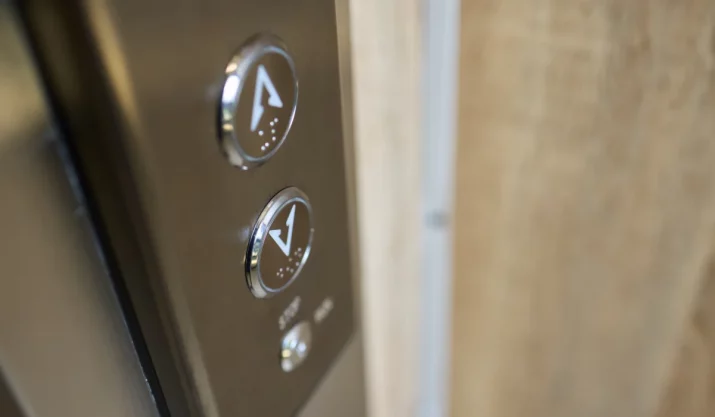
Table of Contents
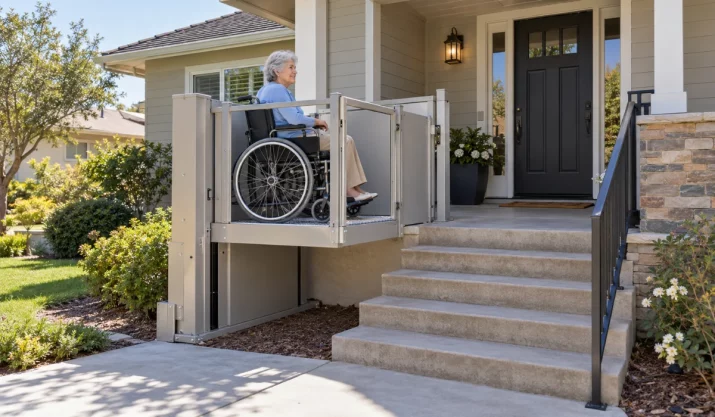
Many homes in Sacramento now include a home lift. These systems can make daily movement easier, especially for seniors and caregivers.
At the same time, families with kids need to think about child safety. A residential lift works best when families follow clear rules and use the right setup.
This guide offers practical tips to help homeowners, seniors, and families use home lifts more safely each day.
Key Takeaways
- A home lift can be safe when used with care and the right setup.
- Young children need clear rules around lift use.
- Built-in safety features help reduce the risk of injury.
- Simple habits can lower the chance of accidents or entrapment.
- California Mobility installs home lifts built for daily household use.
Child Safety Risks Around Home Lifts
Families should first understand where accidents are most likely to happen. Knowing the risks helps them make better safety decisions.
Doors and Entry Points
The car door and landing door are common areas of concern. A small child may try to reach inside or play near the lift doors.
The hoistway door should remain closed when the lift is not in use, in accordance with manufacturer guidance, ASME safety standards, and household safety rules. Open doors can create potential hazards.
Gaps and Moving Parts
Small gaps between the lift car and the wall can create an entrapment hazard for young children.
Space guards can limit gaps between the lift and nearby surfaces. Many modern safety devices use this type of protection.
Unsupervised Use
Young children should use a home lift with adult supervision. Without guidance, they may press buttons or move between floors without care.
Using the lift without supervision can increase the risk of injury, especially when the doors are not fully closed.
Safety Features Families Should Prioritize
Many modern lifts include built-in safety features that support Home Lift safety.
Door Locks and Interlocks
Many residential lift systems include locks on the landing door. These locks help prevent the lift from moving unless the doors are fully closed.
Space Guards and Door Protection
Space guards can help reduce the risk of entrapment and serious injury. Strong home lift doors with smooth closing systems can help prevent pinched fingers.
Emergency Stop and Controls
Many systems include simple controls inside the cab. These may include a stop button or alarm.
These controls allow users to stop the lift or call for help in case of a problem, which may help reduce the risk of severe injury.
Guidance From Safety Groups
The U.S. Consumer Product Safety Commission (CPSC) provides Home Lift safety information for families and homeowners.
Everyday Rules for Safer Lift Use
Daily habits matter just as much as built-in features. Simple routines can help protect everyone at home.
Supervise Young Children
An adult should always stay nearby when young children use the lift.
Keep Doors Closed
Always close the car door and the landing door after each use. Make it a habit for all family members and caregivers.
Do Not Play Near the Lift
Teaching children to stay away from the cab, doors, and controls can help prevent injuries and support proper lift use.
Check the Lift Often
Look for signs of wear or damage. If the lift makes unusual sounds or stops working correctly, contact your home lift company.
Regular checks help keep the system safe and ready for use.
When to Schedule a Sacramento Safety Assessment
A safety review can identify small problems before they become serious.
California Mobility installs home lifts for homeowners throughout California. Our team explains door locks, controls, and proper use during home lift installation.
Home lifts can include door locks, alarms, and other protective features for seniors, caregivers, and families.
Contact us today. Our team can also recommend lift options that fit your layout and mobility needs.