

Home Accessibility Checklist for San Jose Families
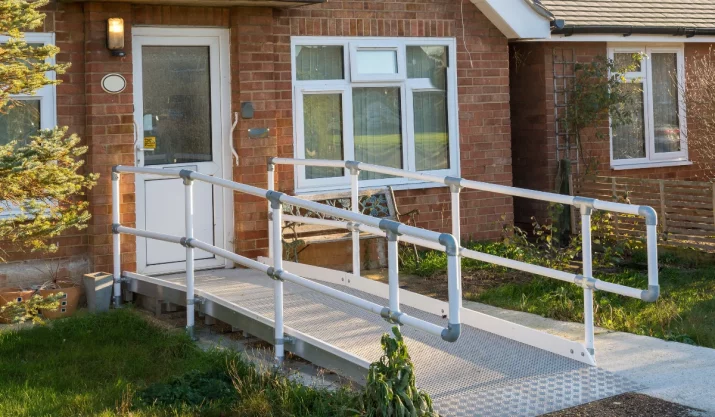
Table of Contents
Many homes in San Jose, California, are older. They often have steps, narrow doorways, and raised thresholds. These features can make movement harder for people with disabilities, seniors, and caregivers.
Simple changes can improve accessibility and safety at home. Small updates improve movement and reduce tripping hazards. These changes support independence and help people age in place.
This home accessibility checklist helps homeowners review each part of their home step by step. It also shows common home modifications that improve safety.
Key Takeaways
- A home accessibility checklist helps families spot safety issues.
- Clear pathways, better lighting, and grab bars improve safety and movement.
- Stairways, bathrooms, and doorways are key areas to address first.
- Small home modifications help people stay independent.
- California Mobility offers stairlifts and home lifts for safer access at home.
Home Accessibility Checklist: Where to Start
Start with a walkthrough of your home. Focus on how people move between rooms and use key areas.
Entryways
Check each entryway. Make sure the path to the exterior door is flat and easy to use. Look for uneven walkways or high curbs that block access.
Check that the doorbell is easy to reach and hear.
Doorways
Check all doorways. A wide door opening helps wheelchairs, walkers, and family members move through safely.
Check each threshold. Raised edges can create tripping hazards or limit movement.
Lights and Controls
Make sure lighting improves safety in each area. Light switches, the thermostat, and electrical outlets should be at an appropriate height and easy to reach.
Entry, Stairs, and Hallway Safety
These areas impact daily movement. Fixing them makes the home safer.
Entry Points
Make sure doors are easy to open. Lever handles are easier to use than round door handles.
Make sure the peephole is at the right height. Confirm the exterior door opens wide enough.
Stairways
Stairways need solid handrails for support. If stairs are hard to use, a stairlift can improve access between levels.
Hallways
Hallways need clear pathways with no clutter. Rugs, cords, and small furniture can create tripping hazards.
Low-pile flooring is easier to walk on than thick carpet.
Bathroom, Bedroom, and Kitchen Access
People use these rooms every day. Small changes make daily tasks easier.
Bathroom
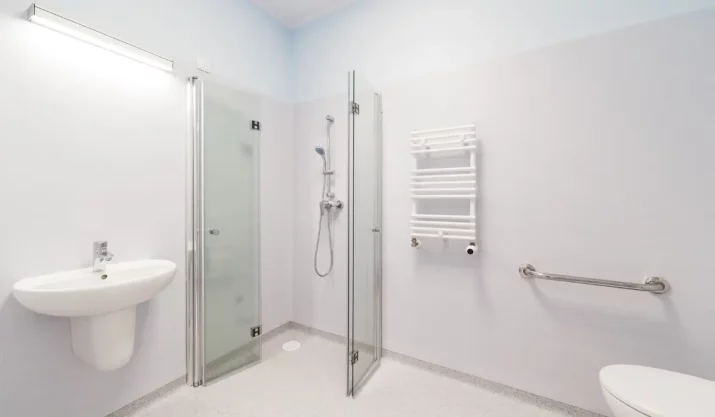
Add safety features where needed. Grab bars near the toilet and in the shower improve stability.
A handheld shower, accessible faucets, and roll-in showers make bathing easier for people with disabilities.
Bedroom
Make sure there is enough space around the bed. Keep light switches within reach. Check that carbon monoxide and smoke alarms work.
Kitchen
Check that the kitchen layout is safe to use. Counter height, countertop space, and pull-out shelving make daily tasks easier.
Keep commonly used items within reach to avoid using upper cabinets.
How to Prioritize Upgrades for Your Family
You do not need to fix everything at once. Focus on safety and daily use first, then plan for future needs.
Start With Safety
Address risks such as stairways, bathrooms, lighting, and tripping hazards.
Think About Daily Use
Focus on areas used most, such as entryways, kitchens, and bathrooms, to make daily tasks easier.
Plan for Long-Term Needs
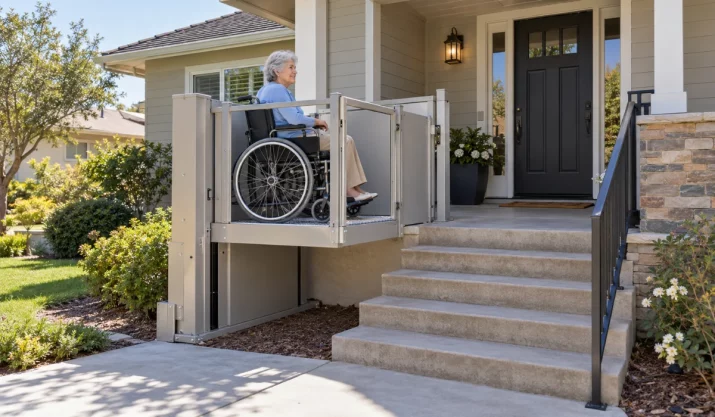
Some home modifications support aging in place and allow the home to adapt over time, such as stairlifts and home lifts.
Schedule a Home Accessibility Assessment in San Jose
A review can help you choose the next steps. It also helps you prioritize spending on the most important changes.
At California Mobility, we provide stairlifts and home lifts to support home accessibility. We select solutions based on your layout, mobility needs, and goals.
Contact us today to learn more about stairlifts and home lift options.