

How to Plan Space for a Home Lift in San Francisco
Table of Contents
Planning space for a home lift requires clear measurements, especially in cities with older, narrow homes like San Francisco. Many homeowners live in multi-level homes where stairs become harder to use over time.
If you want to stay safe while aging in place, the right setup improves daily access. A well-planned home lift improves mobility, supports independence, and fits your home’s design without taking up living space.
Before any home lift installation, you need to understand your available space and how your home’s layout affects the plan. This guide shows what to measure and how to prepare.
Key Takeaways
- Planning a home lift starts with measuring floor space and vertical space.
- Hoistway size, ceiling height, and overhead clearance affect the safe installation of a home lift.
- Machine room-less, shaftless, and space-saving systems fit smaller homes.
- Many existing homes need retrofitting and small renovations.
- Professional planning supports safety, functionality, and compliance with local building codes.
How to Estimate Space for a Home Lift
Before choosing a lift system, you need to understand your space requirements, including floor space, vertical space, and total square footage.
Floor Space Requirements
Measure the available space on each level. Most residential lifts need a footprint, but the exact size depends on the model.
If your home has limited space, a compact design can help preserve living space while still adding access. You also need enough space near the entry for safe movement, especially for wheelchair access or use.
Hoistway Dimensions
Many systems require a hoistway, which is the vertical path the lift travels. The hoistway size depends on the cab size and weight capacity, which affect the required square footage.
Plan the hoistway early, especially when retrofitting existing homes. If space is limited, some shaftless models may reduce the need for a full hoistway, depending on the system and local building codes.
Ceiling Height and Overhead Clearance
You need proper ceiling height and overhead clearance for safe use. The lift needs vertical space to reach the top floor and operate correctly.
In many existing homes in San Francisco, the ceiling height can be lower than expected. Checking overhead clearance early helps avoid unexpected renovations.
Door Width and Entry Space
Door width affects how easily users enter and exit the cab. Wider doors can improve access and support safer movement.
You also need enough floor space in front of the door to maintain functionality during daily use.
How to Choose the Best Location
Choosing the right spot improves access, functionality, and space efficiency within your home’s layout.
Central vs Hidden Placement
Some homeowners use a central location to improve access between floors and support daily routines.
Others prefer a hidden placement to maintain their home design and keep the lift out of the main living areas. The best choice depends on the home’s layout.
Near High-Use Areas
Placing the lift near high-use areas, such as bedrooms or kitchens, can reduce movement and improve functionality.
This placement is especially useful in story homes where people frequently use stairs.
Inside vs Outside the Main Structure
Most homeowners install residential lifts indoors, but some opt for outdoor options when indoor space is limited.
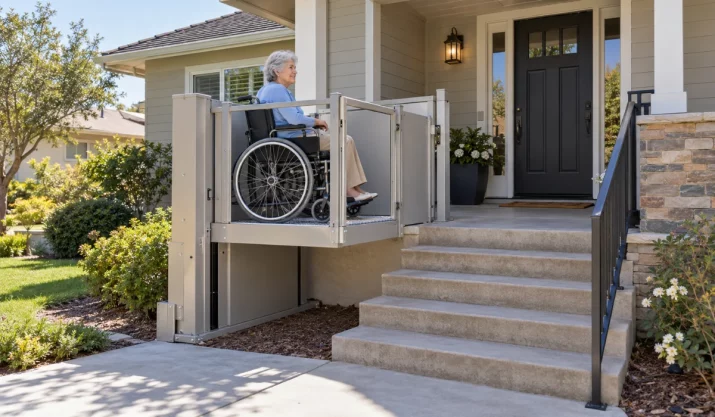
In these cases, wheelchair lifts or ramps can support entry points and improve access.
Machine Room and MRL Options
Some systems require a machine room, while others use MRL designs that reduce space requirements.
Machine room-less systems are often simpler to install in existing homes with tight layouts, depending on the structure.
How to Plan Around Layout Limits
San Francisco homes often have tight layouts, so careful planning helps prevent issues during installation.
Retrofitting Older Homes
Many existing homes do not support residential lifts without changes. Homeowners may need to retrofit their homes to create enough space for the hoistway and lift system.
Retrofitting can include small renovations like adjusting walls, closets, or unused areas.
Tight Floor Plans
If your home has limited floor space, a shaftless or compact design can help meet space requirements.
These systems fit homes where adding a full hoistway is not possible, depending on the structure and code requirements.
Limited Vertical Space
Low ceiling height can limit your options. You still need overhead clearance for safe operation.
Some systems, including PVE models that use air pressure, are designed for homes with limited height and can support space efficiency.
Building Codes and Safety Standards
All systems must follow local building codes and ASME safety standards, which cover door width, weight capacity, and operation.
A professional can confirm your home lift meets these requirements.
Schedule a San Francisco Home Lift Assessment
If you need help planning your space, a professional assessment can help. Every home’s layout is different, and small details affect your options.
California Mobility can evaluate your available space, recommend lift systems, and suggest solutions like wheelchair lifts or ramps.
Contact us to schedule your home lift assessment and get a plan that fits your home.