

Walker Glides Explained and When It Is Time to Replace Them
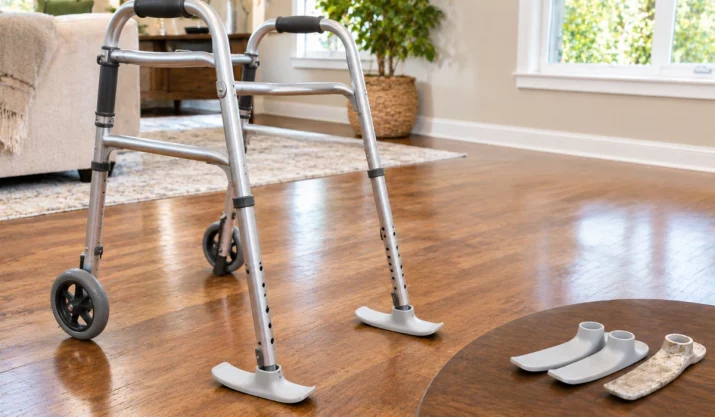
Table of Contents
- What Are Walker Glides and How Do They Work?
- Walker Glides vs. Wheels, Tennis Balls, and Rubber Tips
- Best Walker Glides Work By Floor Type
- How to Tell When Walker Glides Need Replacing
- How to Replace Walker Glides and What They Cost
- Keep Walker Glides and Your Home Ready for Everyday Movement
- Frequently Asked Questions About Walker Glides
Walker glides are small attachments that help compatible walkers slide across floors without dragging. They usually fit onto the rear legs of front-wheel walkers, but they can wear down, loosen, or become damaged after regular use.
If the walker suddenly catches on the carpet or makes scraping noises across the kitchen floor, the glides are worth checking. Worn walker glides can change how the equipment moves, making everyday walking less predictable. Knowing which attachments suit different floors, how to recognize wear, and when to replace them helps you maintain a walker without unnecessary guesswork.
Key Takeaways
- Walker glides help compatible walkers move across suitable flooring. Glide caps and walker skis slide, while wheels roll and rubber tips provide grip.
- Visible damage and changes in movement signal a need for inspection. Cracks, loose attachments, uneven sliding, and unusual noises can indicate wear or another equipment problem.
- Replacement starts with compatibility. Check the walker model, choose approved parts, and test the equipment before returning it to regular use.
What Are Walker Glides and How Do They Work?
Walker glides fit over or attach to compatible walker legs, creating a surface that slides against the floor. You’ll most often see them on the rear legs of front-wheel walkers. The front wheels roll forward while the glides allow the back legs to follow without being lifted.
Walker Glide Caps vs. Walker Skis
Two common styles are rounded walker glide caps and elongated walker skis. Glide caps have smooth bottoms, while skis have longer, curved surfaces designed to pass over suitable flooring. Both reduce dragging, but their materials, sizes, and installation methods vary.
Picture someone moving from a carpeted bedroom into a hallway with laminate flooring. Standard rubber tips may catch if the person tries to slide the walker forward. Compatible glides reduce that resistance, making movement more consistent across suitable surfaces.
Not every walker should have glides installed. Standard walkers with four rubber-tipped legs are generally designed to be lifted and placed ahead of the user. The American Academy of Family Physicians explains that selecting a walking aid depends on a person’s strength, balance, and support needs. Changing attachments without considering those factors can alter how the walker functions.
Walker Glides vs. Wheels, Tennis Balls, and Rubber Tips
Choosing between walker glides and other attachments comes down to how the walker is designed to move. Some attachments slide, others roll, and rubber tips create friction against the floor. These differences affect how the walker behaves, particularly when someone moves between carpet and hard flooring.
| Attachment | How It Works | Suitable Use | What to Watch For |
| Walker glide caps | Provide a smooth surface for sliding | Compatible walkers on approved indoor flooring | Loose fit or excessive sliding |
| Walker skis | Use longer, curved bottoms to reduce catching | Carpet and compatible hard floors | Thick carpeting and raised thresholds |
| Walker wheels | Roll along the floor | Walkers designed for wheeled movement | Worn wheels or difficulty controlling movement |
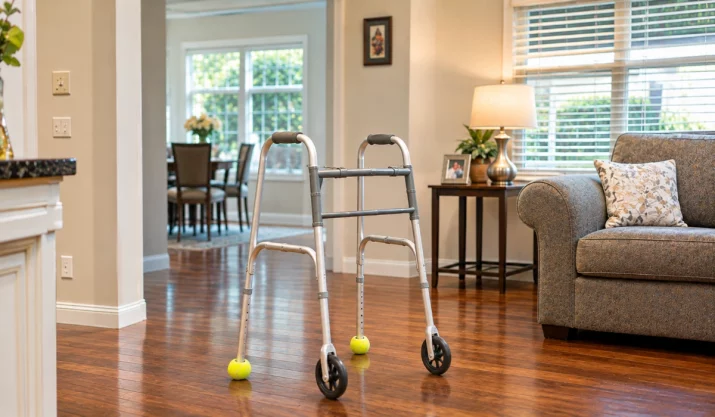
| Walker tennis balls | Create a sliding surface around walker legs | Approved indoor applications | Loose covers, uneven cuts, and worn material |
| Walker rubber tips | Provide friction against the floor | Standard walkers and compatible configurations | Cracks, worn tread, and dragging |
Are Tennis Balls a Good Alternative to Walker Glides?
Tennis balls are familiar walker accessories because they’re inexpensive and easy to recognize. However, homemade versions can develop uneven openings, wear through, or slip off the walker legs.
Purpose-made tennis ball covers offer another option, but they still need to fit securely. If you’re replacing existing walker glide caps, start with manufacturer-approved replacement parts rather than assuming a homemade cover will perform equally well.
Wheels require a different consideration. Adding wheels changes how the walker moves and how the user controls it, so they should only be used in configurations approved for that walker.
Best Walker Glides Work By Floor Type
The best walker glides depend on the surfaces someone uses every day. An attachment that moves comfortably across carpet might slide too easily on polished tile or catch against a raised threshold.
In many California homes, moving between carpeted bedrooms, hardwood hallways, and tiled kitchens is part of the daily routine. Pay attention to those transitions rather than testing the walker on just one surface.
Carpet and Area Rugs
Walker glides for carpet often have elongated, ski-shaped bottoms that help them move over fibers with less resistance than ordinary rubber tips. Low-pile carpet tends to offer a more consistent surface than thick, plush carpeting, although performance varies by attachment.
Loose area rugs create a different problem. They can shift or bunch underneath walker legs, regardless of which accessories are installed. Remove unstable rugs instead of relying on glides to compensate for them.
Hardwood, Laminate, and Tile
Walker glides for hardwood floors should be approved for the floor material and the specific walker. Smooth glide caps may work on compatible hard surfaces, but grit trapped underneath can scratch wood or laminate.
Tile requires attention to grout lines, moisture, and uneven edges. If the walker slides unexpectedly or catches along a doorway, inspect the floor and attachment before the person continues using it.
For outdoor surfaces, check the manufacturer’s recommendations. Rough concrete can wear down attachments intended primarily for indoor use, and not all glides are suitable for wet or uneven ground.
How to Tell When Walker Glides Need Replacing
There isn’t one replacement schedule that applies to every walker. Someone who uses their equipment throughout the day on rough surfaces may experience faster wear than someone who walks short distances indoors. Instead of replacing walker glides according to an arbitrary date, inspect their condition and watch for changes in movement.
Visible Wear and Loose Attachments
Look underneath each glide for cracks, missing material, flattened areas, or worn-through surfaces. Compare the attachments on both sides of the walker, since uneven wear can be easier to recognize when they’re examined together.
A glide that twists, shifts, or slips off the leg also needs attention. Even if the bottom looks intact, an attachment that won’t stay securely fitted should not remain in use.
Uneven Sliding and Unusual Noises
A walker that suddenly pulls to one side, drags, or catches against the floor needs inspection. New scraping, clicking, or grinding noises may also indicate a problem, especially when they occur on surfaces where the walker previously moved without difficulty.
Before ordering replacement walker glides, check for trapped debris or loose fittings. Cleaning can resolve some movement problems when the attachment itself remains undamaged.
Replace glides with cracked or worn-through material, or attachments that no longer fit securely. If uneven movement continues after inspection, have the walker checked for problems involving its wheels, legs, or frame.
How to Replace Walker Glides and What They Cost
Walker glide replacement is often manageable for caregivers, particularly when the attachments use a push-on design. Other styles require specific fasteners or installation methods, so identify the walker model before purchasing replacement parts.
Check the required dimensions and approved attachment type. Two products may look similar but have different openings or fastening systems. An incorrect fit can allow the glide to shift during use.
Steps for Replacing Walker Glides
- Step 1: Identify the correct part. Check the walker model, approved attachment style, and required dimensions.
- Step 2: Position the walker. Make sure nobody is using it. Set it securely on a stable surface.
- Step 3: Remove the old glide. Follow the manufacturer’s instructions without cutting or damaging the walker leg.
- Step 4: Inspect the leg. Remove debris and check for damage that could prevent a secure fit.
- Step 5: Install the replacement. Attach the new glide as instructed and confirm that it stays firmly in place.
- Step 6: Check both sides. Inspect the opposite attachment and follow any instructions about replacing parts together.
- Step 7: Test before use. Check the walker’s stability and movement before returning it to the user.
Avoid securing an ill-fitting attachment with tape, glue, or other homemade fixes. If the replacement doesn’t fit properly or the walker behaves differently afterward, consult a qualified mobility equipment professional.
How Much Do Replacement Walker Glides Cost?
Replacement costs depend on the attachment style, material, manufacturer, and package quantity. Basic glide caps, elongated walker skis, and model-specific walker parts may carry different prices.
When comparing products, check whether the advertised price covers one glide, a pair, or a multipack. Shipping costs also matter when ordering inexpensive accessories online.
The lowest-priced option isn’t always the right choice. Confirm compatibility before comparing costs, and check current retailer listings for the exact replacement part. A general price estimate won’t tell you whether a particular glide fits your walker.
Keep Walker Glides and Your Home Ready for Everyday Movement
Make walker maintenance part of your regular caregiving routine. Inspect walker glides, wheels, and rubber tips for wear, remove debris according to the manufacturer’s instructions, and investigate changes in how the equipment moves. The National Institute on Aging also recommends addressing household hazards, including clutter and unsafe walking areas. Keeping floors clear helps support safer movement throughout the home.
Maintaining a walker is one part of making a home accessible. If your family member struggles with entrance steps, stairways, or moving between floors, California Mobility can help address those larger obstacles. We provide professionally installed ramps, stair lifts, and home lifts for California homeowners.
Keep checking walker glides and other mobility equipment so damaged parts don’t go unnoticed. When accessibility challenges extend beyond walker maintenance, contact California Mobility to discuss solutions that help your family navigate the home more comfortably.