

How Bay Area Homeowners Are Planning 2026 Mobility Upgrades
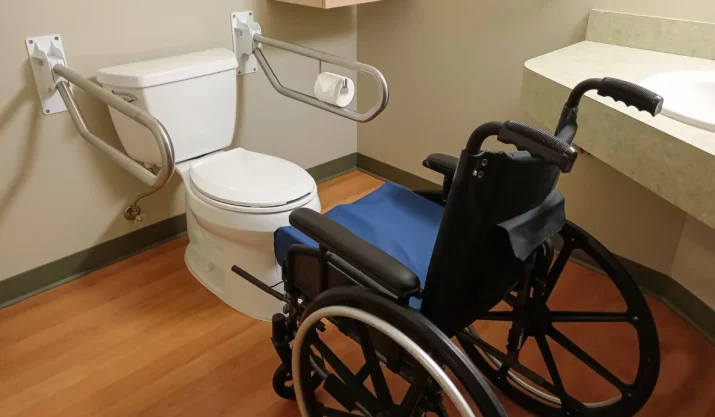
Table of Contents
- Key Takeaways:
- The Growing Demand for Mobility Upgrades in the Bay Area
- Regional Investments Driving Change
- How San Francisco and Oakland Are Preparing for Accessibility in 2026
- Technology and Sustainability in 2026 Mobility Plans
- The Role of Transit Agencies and Local Governments
- Preparing Your Home for the Future of Mobility
- Addressing Economic and Social Challenges
- Making the Right Mobility Upgrades for Your Bay Area Home
- FAQs
The Bay Area changes fast, and many residents already plan how they will get around in 2026 and beyond. Homeowners in San Francisco, Oakland, and nearby cities add mobility upgrades to make daily life easier, safer, and more energy-smart.
Higher costs and older roads and transit systems push many people to plan. California’s clean-air goals also shape homeowners’ choices. For many residents, making their homes easier to navigate now helps them stay independent and keep up with changes in local transit.
Across the San Francisco Bay Area, homeowners plan home projects while the Metropolitan Transportation Commission (MTC) plans regional transportation updates. From home lifts to station upgrades, both individuals and public agencies play a role in making travel easier.
This guide explains the most common Bay Area mobility upgrades for 2026, what local transit agencies are changing, and how homeowners can plan safe, accessible updates at home.
Key Takeaways:
- Bay Area homeowners are planning mobility upgrades for 2026 to improve access, reduce energy use, and enhance home safety.
- The MTC and SFMTA fund transit improvements, such as station repairs and access upgrades, to increase the safety of public transportation for more riders.
- Home mobility upgrades can support California’s clean-air goals by helping people drive less and move safely within their homes.
- A local mobility company can help homeowners choose and install options such as stair lifts, ramps, and Home Lifts that are suitable for Bay Area homes.
The Growing Demand for Mobility Upgrades in the Bay Area
More Bay Area homeowners are seeking mobility upgrades as the population ages and local infrastructure requires repairs. Hills, tight housing, and a larger share of older adults make home accessibility a higher priority.
Adapting to an Aging Population
California’s Master Plan for Aging projects that by 2030, about 1 in 5 Bay Area residents will be 65 or older.
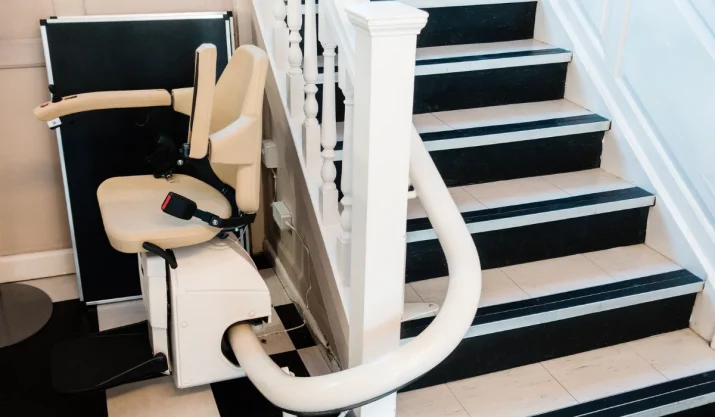
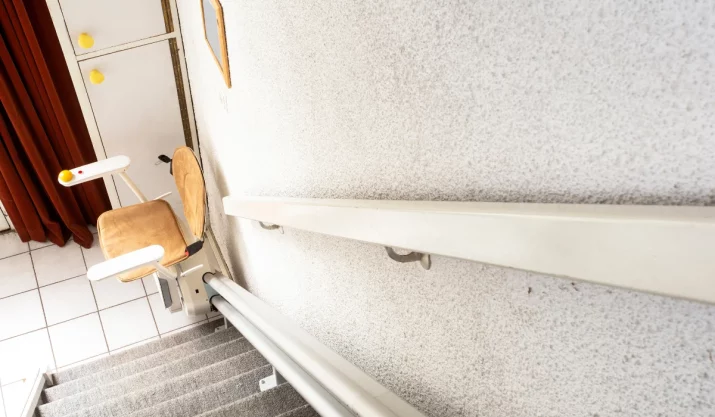
Many homeowners install stair lifts, ramps, and Home Lifts to stay in their homes longer. These updates can improve safety and may raise home value. They can also make daily errands feel easier.
Rising Ridership and Urban Design
More people are riding BART and SFMTA than during the pandemic. But access remains difficult at many older stations and in some neighborhoods.
Transit agencies update stations, add easier-to-board vehicles, and improve apps and signs for riders with disabilities. At home, people add ramps, lifts, and safer stairs to reduce fall risk.
Many homeowners work with local accessibility installers to plan home changes that support safe, independent living.
Regional Investments Driving Change
The Metropolitan Transportation Commission, along with BART, SFMTA, and other transit agencies, is rolling out a 2026 regional plan that integrates sustainability, technology, and accessibility.
The initiative focuses on modernizing transit systems, reducing greenhouse gas emissions, and improving connectivity between Bay Area communities.
The MTC and local transit agencies also invest in improved transit access near affordable housing and low-income neighborhoods.
This work supports statewide plans to help people reach jobs and services with cleaner transportation.
Linking Statewide Goals
Mobility planning happens across California, not just in the Bay Area.
In Los Angeles, local leaders are testing larger scooter and EV programs to reduce traffic and pollution. In the Bay Area, plans often include autonomous vehicles, robotaxis, and road and station upgrades to meet future demand.
Both regions want transportation that reduces pollution and is more accessible for people with disabilities and older adults.
When homeowners add ramps, lifts, or Home Lifts, they also support the wider push for better access. A qualified installer can also help follow California building and accessibility codes.
How San Francisco and Oakland Are Preparing for Accessibility in 2026
San Francisco and Oakland are two cities leading new accessibility projects in Northern California. Both cities work with transit agencies, builders, and community groups to address aging infrastructure and population growth.
San Francisco: Innovation Meets Equity
SFMTA plans to improve service reliability, expand wheelchair accessibility, and integrate autonomous vehicles into its long-term operations.
Recent pilot programs are testing new fare systems and safer curb areas for people who have difficulty walking or using stairs. These changes also fit the city’s push for cleaner transportation.
Oakland: Accessibility and Community Development
Oakland’s local government is integrating accessibility into new zoning and housing policies. Builders who build affordable housing near major transit routes now need to incorporate universal design features.
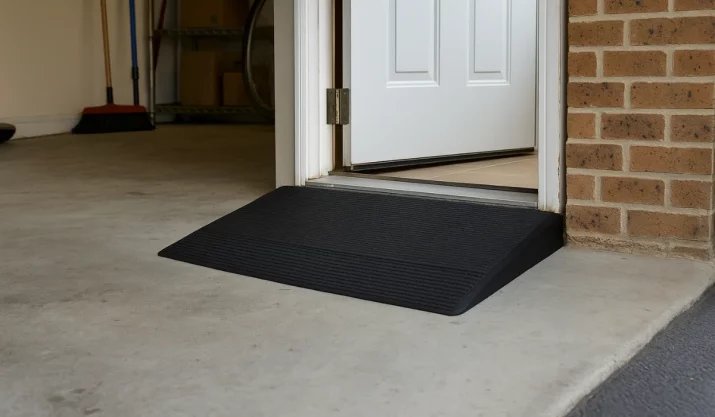
Examples include ramp-ready entrances and wider doorways. This goal helps bring accessible design to more neighborhoods, not only higher-income areas.
For homeowners in both cities, home mobility upgrades can match what the towns are doing in public spaces. A trained installer can help place lifts, ramps, or Home Lifts in smaller urban homes.
Technology and Sustainability in 2026 Mobility Plans
New technology is changing how people travel in the San Francisco Bay Area. By 2026, self-driving cars, robotaxis, and shared scooters may change how people move within and between cities.
Electric Vehicles and Smart Integration
In Silicon Valley and San Jose, more people buy electric vehicles each year. The MTC coordinates upgrades such as additional charging stations and renewable energy planning.
Homeowners also add EV chargers and energy-smart lifts to support cleaner energy goals.
Linking Public and Private Sustainability
The Bay Bridge carries many commuters every day. It also reminds the region how much traffic adds to pollution.
Homeowners can help reduce pollution by driving less when possible and by making their homes safer to navigate. A home lift, ramp, or home lift can make it easier to get around the house, reduce the risk of falls, and help people stay independent.
Some mobility products use less power, helping households reduce their energy use.
The Role of Transit Agencies and Local Governments
Better access across the region takes teamwork from transit agencies and local governments. SFMTA, BART, and other partners collaborate to improve service, reduce travel time, and ensure consistent access across buses, trains, and stations.
Expanding Access and Equity
Transit agencies invest in real-time arrival information, station upgrades, and fare options that better serve riders with disabilities and older adults.
Cities such as San Jose and Sacramento use similar approaches to establish shared accessibility standards, so riders get a more consistent experience across Northern California.
Coordinating Across the State
Transportation leaders from Los Angeles, Sacramento, and the Bay Area share ridership data. They use it to spot access gaps and plan future needs.
Teamwork can lead to upgrades such as tactile paths for navigation, improved curb ramps, and enhanced transit technology.
Homeowners can also improve access to their homes with ramps, stair lifts, or Home Lifts that meet their needs.
Preparing Your Home for the Future of Mobility
The pandemic changed how many Californians use their homes. For many families, home is also a place to work, so comfort and safety matter even more.
As 2026 approaches, Bay Area residents are already future-proofing their homes by installing Home Lifts to prepare for the next generation of mobility.
Integrating Accessibility into Everyday Living
Home accessibility can include more than ramps and grab bars. Homeowners choose stair lifts, platform lifts, and Home Lifts that complement the home’s look and layout.
These features can help people remain independent longer and rely less on others for assistance.
Connecting Private and Public Accessibility
As BART upgrades stations and SFMTA expands routes, an accessible home can help residents move more easily from the curb to the living room.
When home upgrades match public transit access, daily trips can feel safer and less stressful for people with limited mobility.
Local installers can help design and install mobility systems that fit a wide range of Bay Area home styles.
Addressing Economic and Social Challenges
California’s urban planning closely links mobility and equity. The Bay Area’s mix of high housing costs and uneven access to transportation creates significant challenges for low-income residents.
For many families, these conditions make a strong case for investing in mobility solutions for their Bay Area home before access limitations more difficult or costly to address.
Affordable Housing and Mobility Equity
The MTC supports housing and transit projects that help low-income residents get safer, more reliable transportation.
New affordable housing in Oakland, San Jose, and other Bay Area cities often includes mobility-friendly design. These features can reduce barriers for older adults and people with disabilities.
Pricing, Funding, and Long-Term Vision
Cost and funding play a big role in accessibility planning. Rebates or local incentives can reduce costs for homeowners looking to add safer, more accessible features.
Some programs also reward energy-smart building choices that can cut pollution. Our qualified installer can help homeowners plan upgrades that fit their budget and support safe, independent living.
Making the Right Mobility Upgrades for Your Bay Area Home
Planning mobility upgrades is not only about meeting today’s needs. It is also about choosing changes that still work as life, routines, and housing needs shift over time. A well-planned upgrade can help a home stay functional without forcing major changes later.
At California Mobility, we work with Bay Area homeowners to plan and install mobility solutions that fit real homes, local building rules, and long-term use. Our focus remains on practical layouts, safe installation, and clear guidance at every step of the process.
Contact us today or request a free quote to schedule a consultation.