

The Lightest Medicare-Approved Mobility Scooters Worth a Look
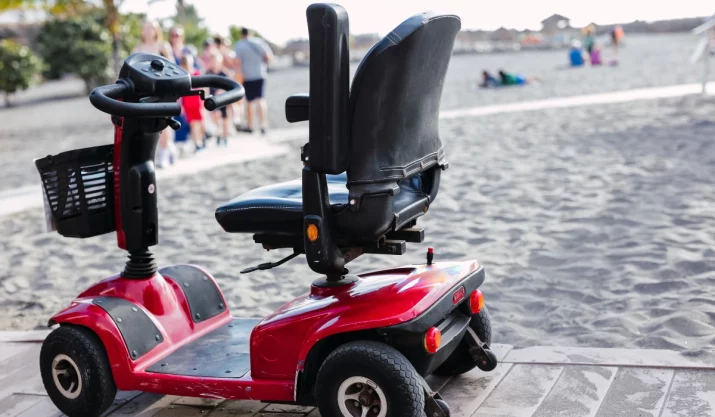
Table of Contents
- What "Medicare-Approved" Means for a Lightweight Mobility Scooter
- What Makes a Lightweight Mobility Scooter Portable?
- How to Balance Portability With Range, Stability, and Capacity
- How to Get a Lightweight Mobility Scooter Through Medicare
- Choosing the Right Mobility Setup for Your California Home
- Frequently Asked Questions
If you’re searching for the lightest mobility scooter Medicare approved for your needs, focus on more than total weight. Medicare may cover a qualifying power mobility scooter when medical and supplier requirements are met, while the best lightweight design for you will also depend on lifting weight, battery size, range, stability, and how the scooter fits your home.
Find out what “Medicare-approved” actually means, how folding and disassembling scooters differ, which portability specifications deserve the closest look, and what to ask a Medicare-enrolled supplier before choosing a model.
Key Takeaways
- Medicare doesn’t maintain a simple retail list of scooters that are automatically covered. Coverage depends on medical necessity, documentation, and applicable supplier requirements.
- For transportation, heaviest-piece weight can be more useful than total scooter weight because it tells you what you or a caregiver may actually need to lift.
- A lighter scooter can be easier to store and transport, but range, weight capacity, seating, stability, and battery specifications still need to fit your daily routine.
What “Medicare-Approved” Means for a Lightweight Mobility Scooter
“Medicare approved mobility scooter” is common shopping language, but Medicare evaluates coverage based on the beneficiary and the equipment being prescribed. Under Medicare Part B, certain power-operated vehicles can qualify as durable medical equipment when they are medically necessary, and the coverage requirements are satisfied.
According to Medicare’s wheelchair and scooter coverage information, a scooter may qualify when a health condition causes serious difficulty moving around your home and a treating practitioner determines that you need the equipment. Medicare’s focus is the mobility problem inside the home. Wanting a scooter mainly for vacations, shopping trips, or recreation doesn’t establish the same coverage need.
The Supplier Is Part of the Coverage Process
A prescription alone doesn’t make every retail scooter eligible for Medicare payment. The equipment has to be obtained through a supplier that meets the applicable Medicare requirements, and the scooter must correspond with the medical order and coverage criteria.
Under Original Medicare, Medicare generally pays 80% of the Medicare-approved amount after the Part B deductible when the equipment and supplier meet the rules. Medicare explains how durable medical equipment (DME) coverage, assignment, and supplier participation can affect what you pay.
If you have Medicare Advantage, check your plan before selecting a scooter. Network rules, prior authorization, and cost sharing can differ from Original Medicare.
What Makes a Lightweight Mobility Scooter Portable?
Total weight is easy to compare, but it doesn’t tell you how the scooter feels when you load it into a vehicle. A scooter that weighs more when assembled may break into pieces that are easier for one person to handle.
Think through the entire transport routine. You may need to remove the seat, disconnect the battery, lift the base through a trunk opening, and reassemble everything when you arrive.
Folding Versus Disassembling Frames
A folding mobility scooter usually collapses into a smaller shape while staying mostly intact. That can reduce setup time and work well when you frequently move the scooter between your home and vehicle.
A disassembling scooter separates into several major components. It takes more steps to prepare, but the individual pieces may be easier to lift than one folded frame.
| Portability Feature | What to Check | Why It Helps |
| Total weight | Weight of the complete scooter | Shows overall scooter weight |
| Heaviest-piece weight | Weight of the largest section after disassembly | Shows the maximum amount you may need to lift at once |
| Folded dimensions | Length, width, and height when folded | Helps determine whether it fits your vehicle or storage space |
| Tool-free disassembly | How major components release | Affects how quickly you can prepare the scooter for transport |
| Removable seat | Seat weight and release method | May reduce the weight of the base |
| Removable battery | Battery location and weight | Can reduce lifting weight and make charging easier |
Why Heaviest-Piece Weight Deserves Attention
Consider two scooters. One weighs 100 pounds fully assembled but separates into several manageable sections. Another weighs 65 pounds and folds almost entirely as one unit.
The lighter scooter wins on the specification sheet, yet it could be harder to load. Ask the supplier for the assembled weight and heaviest-piece weight, then compare those numbers with what you or your caregiver can comfortably place into your vehicle.
Battery Type and Travel Suitability
Battery design also affects portability. Some lightweight mobility scooters use removable lithium-ion batteries because they can provide useful energy capacity without adding as much weight as some other battery designs.
Air travel introduces separate battery rules. The Federal Aviation Administration (FAA) states that one removable lithium-ion battery for a mobility aid can generally be rated up to 300 watt-hours. If two batteries are required to operate the device, each can generally be rated up to 160 watt-hours.
Before flying, check the battery chemistry and watt-hour rating on the battery or product documentation. Contact the airline as well, since handling procedures can vary.
How to Balance Portability With Range, Stability, and Capacity
Low scooter weight can make transportation easier, but the scooter still has to work once you reach your destination. Battery capacity, seat dimensions, wheel layout, ground clearance, and user weight capacity can all affect whether a portable model fits your routine.
A useful comparison starts with where you travel, how far you normally go, and which surfaces you cross. Someone using a scooter mainly inside a condo will have different priorities from someone traveling through parking lots, sidewalks, and a large senior community.
Range and Battery Capacity
Rated range tells you how far the manufacturer estimates the scooter can travel on a charge under specified conditions. Actual distance can change with hills, rider weight, speed, temperature, tire condition, surface type, and battery age.
If your normal trip already approaches the scooter’s advertised maximum range, a slightly heavier model with greater battery capacity may be a better fit. Leave room for detours, slopes, and changes in battery performance rather than planning every trip around the maximum figure.
Weight Capacity and Seating
User weight capacity should be checked before you compare convenience features. Include the rider and anything routinely carried on the scooter, such as bags, portable medical equipment, or personal items.
Seat dimensions also affect whether the scooter is comfortable enough for regular use. Check seat width, depth, armrest position, and tiller reach. A very compact scooter loses its practical value if you can’t sit comfortably or reach the controls without strain.
Three-Wheel and Four-Wheel Designs
Three-wheel scooters often have a tighter turning radius because they use one front wheel. That can help in smaller kitchens, hallways, apartments, and other indoor areas where turning space is limited.
Four-wheel scooters use two front wheels and have a different footprint that some users prefer for mixed indoor and outdoor travel. Compare actual turning radius, overall width, wheelbase, and ground clearance instead of choosing only by wheel count.
| Specification | What It Helps You Judge |
| Rated range | Whether the battery suits your normal travel distance |
| Weight capacity | Whether the scooter can safely support you and carried items |
| Turning radius | Whether it can maneuver in your home’s tighter areas |
| Overall width | Whether it fits doors, hallways, and storage areas |
| Ground clearance | How it handles thresholds and uneven surfaces |
| Seat dimensions | Whether your seating position is comfortable |
| Battery weight | How much the battery contributes to transport weight |
How to Get a Lightweight Mobility Scooter Through Medicare
Start by discussing the mobility difficulties you experience inside your home with your treating practitioner. Explain the specific tasks that have become hard, such as reaching the bathroom, moving between rooms, or getting to the kitchen when a cane, walker, or other mobility aid isn’t enough.
If a power-operated scooter is medically appropriate, your practitioner and supplier can address the documentation Medicare requires. Once you’re working with a Medicare-enrolled supplier, ask which lightweight mobility scooter options fit the medical order and are available through your coverage.
Questions to Ask Before Accepting a Scooter
Ask for the assembled weight and the heaviest-piece weight rather than accepting a general description such as “lightweight.” You should also know the battery type, battery weight, rated range, weight capacity, overall dimensions, folded dimensions, and turning radius.
Confirm your expected cost before taking delivery. Medicare Advantage members should also check their plan’s supplier network, authorization process, and cost-sharing requirements.
This approach keeps the purchase focused on two separate questions: whether the scooter meets Medicare’s coverage requirements and whether you can comfortably use, transport, and store it.
Choosing the Right Mobility Setup for Your California Home
The lightest mobility scooter Medicare-approved through your coverage still has to fit your life. Look at the amount you must lift, the distance you normally travel, the size of your vehicle, the scooter’s seating and capacity, and the spaces where you will use it most often.
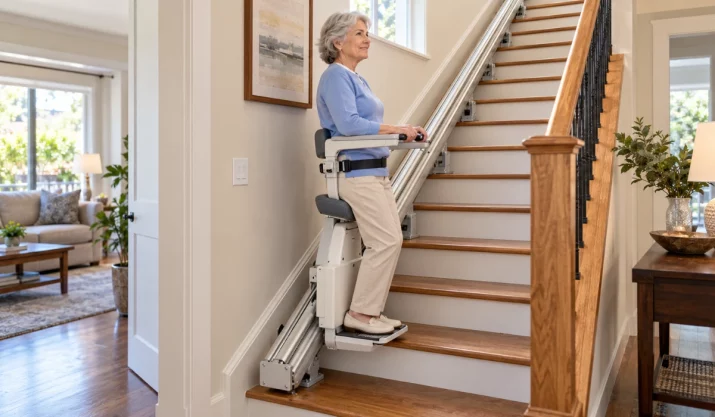
A scooter can improve how you move through accessible areas, but it can’t remove steps, difficult entrances, or changes in floor level. If those barriers are part of the problem, California Mobility can help you evaluate ramps, stair lifts, and home lifts that work with your broader mobility needs. California Mobility focuses on accessibility solutions for California homeowners and families, which makes the home itself part of the conversation rather than treating the scooter as the entire solution.