

Can you install a Home Lift in a condo or townhouse?
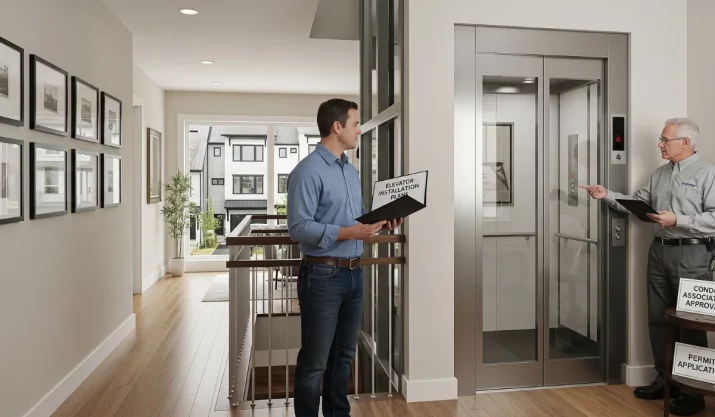
Table of Contents
- Key takeaways
- Can you add a Home Lift to your condo or townhouse?
- The types of residential home lifts that fit smaller homes
- Planning around space in multi-level properties
- The benefits of having a Home Lift
- Home Lift costs: what homeowners should expect
- How a Home Lift impacts real estate value
- Alternatives to full home lifts
- Making the right choice for your California home
- FAQs
If you have limited mobility or plan to age in place, a high-rise condo or multi-level townhome can be hard to live in. Going up and down stairs to carry laundry, haul groceries, or help a loved one can turn into a struggle. To solve this, many homeowners consider installing a Home Lift. With the right plan, you can add a home lift to most multi-level homes.
In California, where two-story condos and townhomes are common, a residential home lift can make daily life easier and safer. Whether you plan to age in place, need mobility help, or want more convenience, a Home Lift can make a big difference.
In this guide, we’ll cover whether you can add an in-Home Lift to a condo or townhome, the best types for small spaces, and how to plan for multi-story homes. We’ll also cover benefits, costs, and how an in-home lift may affect resale value. Finally, we list other mobility devices and explain why working with a pro team helps this project go smoothly.
Key takeaways
- You can install a Home Lift in most condos and townhomes, but you may need HOA approval.
- Compact options, such as pneumatic (vacuum) home lifts, fit well in multi-level homes.
- A Home Lift improves safety, convenience, and resale value.
- Costs vary by type, size, finishes, and whether it’s a retrofit or part of new construction.
Can you add a Home Lift to your condo or townhouse?
Yes, you can usually add a Home Lift in a condo or townhome. First, check that your space, floor plan, and building rules allow it.
In a townhome, common locations include near the stairs, in a living room corner, or by converting closet space. If you add a lift to an existing home, you can choose a retrofit. A retrofit refers to adjusting the home to accommodate the home lift.
Adding a residential home lift to your condo unit may be more challenging due to shared walls and existing building policies. You’ll likely need to get approval from your homeowners association (HOA) before choosing a Home Lift to confirm whether this home modification is allowed and what guidelines they have for the device.
Once approved, an home lift company can review your space and recommend the best type for your needs.
The types of residential home lifts that fit smaller homes
You can add a residential home lift to many small homes. Not every model fits tight spaces, but these compact options work well in condos and townhomes:
Pneumatic home lifts
Pneumatic home lifts use air pressure inside a clear tube to move between floors. They don’t need a large shaft or a machine room, so that they can suit tight spaces and budgets.
Vacuum home lifts
Vacuum (air-driven) home lifts are a type of pneumatic model. They look sleek, need minimal construction, and can go where a whole shaft won’t fit. They’re popular in condos and townhomes because they take up little living space.
Hydraulic home lifts
Hydraulic home lifts use a piston powered by a pump. They can carry more weight and feel smooth. Many newer models do not need a separate machine room, which can save space and build time.
Machine room–fewer home lifts (MRL)
These home lifts use counterweights and do not need a separate machine room. They’re a good fit when you want a private home lift without losing much living space.
The best type depends on your layout, budget, and features you need.
Planning around space in multi-level properties
Space is often the biggest challenge in high-rise condos. In multi-level townhomes, you may give up closet space or adjust part of the stairs. That’s why it’s essential to work with professionals who can ensure your living space remains comfortable and compliant with regulations.
The process is more straightforward if you’re building a new home. Builders can add an home lift shaft into the floor plans from the start, saving you time and reducing home lift cost. It also saves you from needing a renovation later.
In condos, the HOA sets rules for renovations and may allow only certain home lift types. Check these rules before you plan.
The benefits of having a Home Lift
A residential home lift is about more than convenience. Falls are a leading cause of injury among seniors, according to the CDC. A home lift can lower risks and make your home easier to use.
- Safety: Reduce risks when moving heavy loads between floors.
- Accessibility: If you or a loved one has limited mobility or disabilities, an home lift makes every level of your home accessible.
- Functionality: A private home lift makes it easier to move groceries, furniture, and laundry between floors.
- Features: Many models include emergency lowering, safety sensors, and smooth, quiet rides.
Even families without mobility issues find that an in-Home Lift saves time and energy each day.
Home Lift costs: what homeowners should expect
Home Lift cost depends on several factors:
- Type of home lift: Vacuum home lifts are often the most cost-effective option, while hydraulic models may be more expensive but can handle a greater weight capacity.
- Existing home vs. new home construction: A retrofit usually costs more than adding an home lift during new construction.
- Finishes and design: Choosing high-end finishes makes the home lift more stylish, but it also raises the price.
- Permits and HOA rules: Condo HOAs may require additional fees or approvals, which can increase the total cost.
Most home lift companies review your plans and then provide an estimate. They’ll show where the shaft will go, if a machine room is needed, and how long the job may take.
How a Home Lift impacts real estate value
A residential home lift can help your condo or townhome stand out. Buyers often value homes with built-in accessibility.
For buyers planning to age in place or those with family members who have mobility issues, an in-Home Lift is a valuable feature. Real estate agents in California say homes with private home lifts often sell faster and for more because of the added functionality.
The added value of a Home Lift applies to both modest townhomes and high-rise condos. Even if the building has shared home lifts, a private unit home lift adds privacy and convenience.
Even if you won’t sell soon, an home lift adds long-term value by keeping your home accessible as your needs change.
Alternatives to full home lifts
If you need mobility help but can’t add a full home lift, try these options:
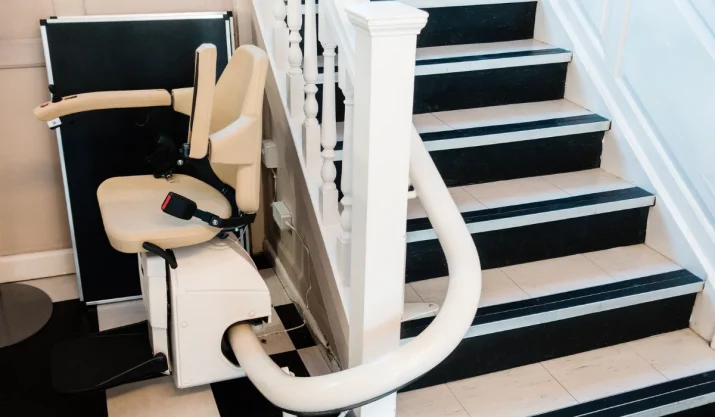
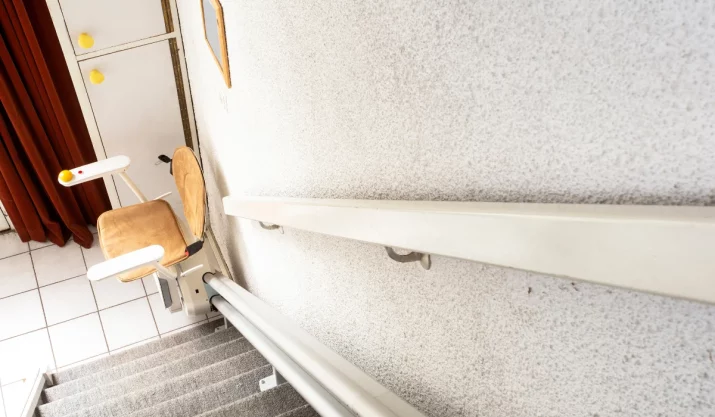
- Stair lifts: These attach to the staircase and are less expensive. They do not carry large items between floors.
- Home lifts: These smaller systems act like a mini in-Home Lift. They’re compact, easier to retrofit, and often cost less.
These options fit when you only need help moving between floors and want to avoid a major renovation.
Making the right choice for your California home
When planning a Home Lift, begin by considering HOA rules, obtaining necessary permits, and creating a clear space plan. Choose the type that fits your layout and budget, then schedule a professional site review to confirm details.
Our certified specialists at California Mobility can review options, explain costs, and recommend the best fit for your home.
Contact us today or request a free quote to start your project.