

How to Get a Free Mobility Scooter Through Medicare and Beyond
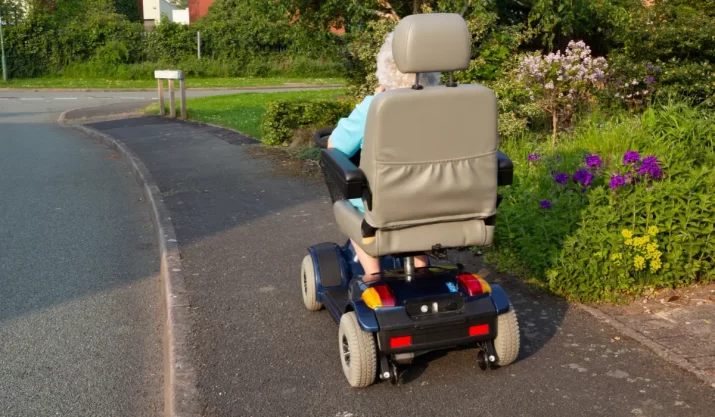
Table of Contents
Getting a free mobility scooter through Medicare is possible for some people, but Medicare doesn’t automatically give scooters to seniors or people with disabilities. Part B may cover a power-operated vehicle when it is medically necessary for use inside your home, and your final cost depends on your deductible, coinsurance, supplier, and any secondary coverage you have.
A free mobility scooter becomes more realistic when Medicare coverage is combined with Medi-Cal, VA benefits, supplemental insurance, nonprofit help, or an equipment reuse program. You also need to think about whether the scooter can move through your home safely, especially if steps, narrow entrances, or multiple floors affect your daily route.
Key Takeaways
- Medicare Part B may cover a medically necessary power-operated scooter for use in the home, but Original Medicare generally leaves you responsible for 20% of the Medicare-approved amount after the Part B deductible.
- Medi-Cal, VA benefits, supplemental insurance, nonprofit programs, and equipment reuse organizations may reduce or eliminate costs that Medicare doesn’t pay.
- Before accepting a scooter, check your home for doorway width, thresholds, steps, turning space, and stairs so you know whether a ramp, stair lift, or home lift is also needed.
Can You Get a Free Mobility Scooter Through Medicare?
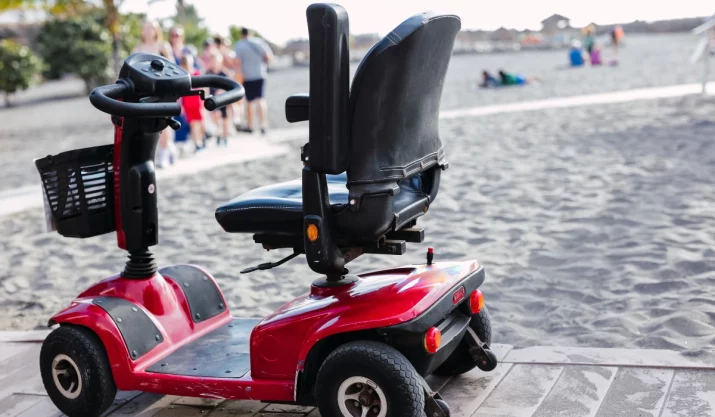
Medicare Part B can cover certain scooters as durable medical equipment when they are medically necessary. Medicare uses the term power-operated vehicle for this type of device. Coverage focuses on whether you need the scooter to move around your home and complete normal daily activities, not simply whether walking outdoors or shopping has become difficult.
Under Original Medicare, you generally pay 20% of the Medicare-approved amount for covered durable medical equipment after meeting the Part B deductible. Medicare generally pays the remaining 80%. That cost-sharing structure means Medicare coverage by itself doesn’t usually make a scooter free, although another insurance program may cover some or all of your share.
| Medicare Cost Factor | What It Usually Means |
| Part B coverage | May cover a qualifying power-operated scooter as durable medical equipment |
| Medicare share | Generally 80% of the Medicare-approved amount after the applicable Part B deductible |
| Beneficiary share | Generally 20% of the Medicare-approved amount |
| Secondary coverage | Medi-Cal, Medigap, or other qualifying coverage may reduce eligible costs |
| Supplier | Your costs can depend on how the supplier participates in Medicare and handles assignment |
Medicare.gov explains that the device must be needed in the home. Someone who can move around the house safely with a cane or walker but wants a scooter mainly for longer outdoor trips may not meet the Medicare standard for power mobility equipment.
Medicare Advantage plans still cover Medicare-covered services, but the details can differ from Original Medicare. Your plan may require prior authorization or direct you to suppliers within its network. Check those rules before equipment is ordered so you know what documentation and cost sharing apply.
How Do You Qualify for a Medicare Mobility Scooter?
Qualifying for a Medicare mobility scooter starts with the way your health condition affects movement inside your home. Medicare looks at mobility-related activities of daily living, including getting to the bathroom, preparing or eating meals, dressing, grooming, and moving through essential living areas safely.
Your practitioner also has to consider whether a less intensive mobility aid can meet the need. If you can complete those activities safely with a cane, walker, or manual wheelchair, Medicare may not consider a power-operated scooter medically necessary. The prescribed device also has to be suitable for you to use safely in your home.
The CMS National Coverage Determination for Mobility Assistive Equipment sets out the broader coverage framework for mobility equipment. It looks at your functional limitation, whether another device can address it, your ability to use the recommended equipment, and whether your home supports its use.
Complete the Face-to-Face Mobility Evaluation
The first medical step is a face-to-face evaluation with the appropriate treating practitioner. The visit should document what your mobility limitation prevents you from doing and why a power mobility device is needed to address that limitation.
Specific examples are useful during the evaluation. Saying that you have trouble walking gives less information than explaining that you can’t get from your bedroom to the bathroom without stopping, leaning on furniture, or risking a fall. Those details help your practitioner document how the problem affects activities inside the home.
Get the Written Order and Supporting Documentation
If the evaluation supports the need for a scooter, your practitioner prepares the required written order. The order works together with the medical record, so a prescription alone doesn’t guarantee that Medicare will approve payment.
Once the documentation is complete, work with an eligible durable medical equipment supplier. Before accepting delivery, ask whether the supplier participates in Medicare, whether it accepts Medicare assignment, and what amount you will be expected to pay.
What Other Programs Can Help Pay for a Mobility Scooter?
A Medicare-covered scooter may still leave you with a bill, and some people don’t qualify for Medicare scooter coverage at all. Medi-Cal, VA health benefits, community organizations, and equipment reuse programs create other paths to a low-cost or free mobility scooter, depending on your eligibility and what is available locally.
These programs don’t all work the same way. Some coordinate with existing insurance, while others provide equipment directly or connect applicants with donated devices. Treat each one as a separate funding option rather than assuming approval from one program guarantees approval from another.
Medi-Cal
Medi-Cal may cover medically necessary durable medical equipment for eligible California residents when program requirements are met. It can be especially relevant if you are enrolled in both Medicare and Medi-Cal.
For people with both programs, Medicare generally handles Medicare-covered equipment first. Medi-Cal may help with eligible remaining costs based on your coverage, managed care arrangement, and authorization requirements. Before ordering a scooter, ask your Medi-Cal plan which suppliers you may use and whether approval is needed before delivery.
A Medicare denial doesn’t automatically decide what Medi-Cal will do. The two programs have their own coverage rules and documentation processes, so your provider may need to submit information through a separate Medi-Cal review.
Veterans Benefits
Eligible veterans who receive VA health care may be able to obtain medically necessary mobility equipment through the VA. The process is based on clinical need rather than a general scooter giveaway, so it begins with the veteran’s health care team.
The VA Prosthetic and Sensory Aids Service manages prosthetic, mobility, and related equipment for eligible veterans. If you receive VA health care, ask your provider whether a mobility evaluation is appropriate before purchasing a scooter independently.
Medicare and VA health benefits don’t function as interchangeable insurance plans. Confirm which program should provide or authorize the equipment before making a purchase, especially if you have coverage through both systems.
Nonprofits and Equipment Assistance Programs
Local organizations can be useful when insurance leaves a gap. Area Agencies on Aging, Centers for Independent Living, disability organizations, veteran groups, and local charities may know about donated scooters, equipment loans, or financial assistance available in your county.
Calling 211 is another way to find local help. Ask specifically about durable medical equipment, senior assistance, disability resources, and medical equipment reuse. Funding and donated inventory change frequently, so a program that has scooters available one month may not have them the next.
Used equipment can reduce costs substantially, but inspect it carefully. Ask whether the battery holds a charge, whether the charger works, and whether the brakes, steering, controls, seat, and tires have been checked. A scooter that needs an immediate battery replacement or major repair may not be a low-cost option after all.
How Should You Plan for Home Access?
Insurance approval only tells you that a scooter may be covered. It doesn’t tell you whether the device will fit through your front door, turn into the bathroom, cross a raised threshold, or get past the steps outside.
Measure the routes you use most often before delivery. Check doorway openings, hallways, furniture clearance, turning areas, floor transitions, and thresholds. You also need a practical charging location where the scooter can remain plugged in without leaving a cord across a walking path.
Thinking about the home at the same time as the scooter can prevent a frustrating mismatch. A device that meets your medical needs won’t help much if you can’t reach the rooms or entrances you use every day.
Ramps and Entry Access
Exterior steps can stop a scooter user from entering or leaving the home independently. A ramp may provide a usable route, but the design has to account for the height of the entrance, available space, landing area, door swing, and the size of the mobility device.
Scooter coverage and home modifications should be treated separately. Medicare’s decision to cover a power-operated vehicle doesn’t mean that a permanent ramp or structural change will automatically be covered as well. Ask the appropriate insurer or assistance program about home-access benefits before assuming those costs are included.
Lifts for Multilevel Homes
A scooter is designed for level travel, not staircases. If your bedroom, bathroom, garage, or other important areas are on different floors, you may need another way to handle vertical access.
A stair lift can work when you can transfer safely from the scooter to a seated lift. A platform lift or home lift may suit a different mobility situation, especially when moving a mobility device between levels is part of the plan. Your transfer ability, available space, floor plan, and daily routine should guide that decision.
Choosing the Right Mobility Setup for Your California Home
The lowest-cost option isn’t always the scooter advertised as “free.” Start by finding out which benefit should pay first, what medical documentation is required, and what portion of the approved cost you may still owe. Medicare, Medi-Cal, VA benefits, supplemental insurance, and community programs can sometimes work together to bring that amount down.
Then look at how the scooter will function once it is inside your home. Steps, tight entrances, and stairs between floors can turn a useful mobility device into one that only solves part of the problem. Planning the equipment and the home together gives you a clearer picture of what you actually need.
California Mobility helps California homeowners address those access barriers with ramps, stair lifts, and home lifts. If you’re preparing your home for a scooter or another mobility device, contact California Mobility to discuss the layout, the areas you need to reach, and the access solution that fits the way you move at home.