

The Free Bathroom Remodel for Seniors Programs California Offers
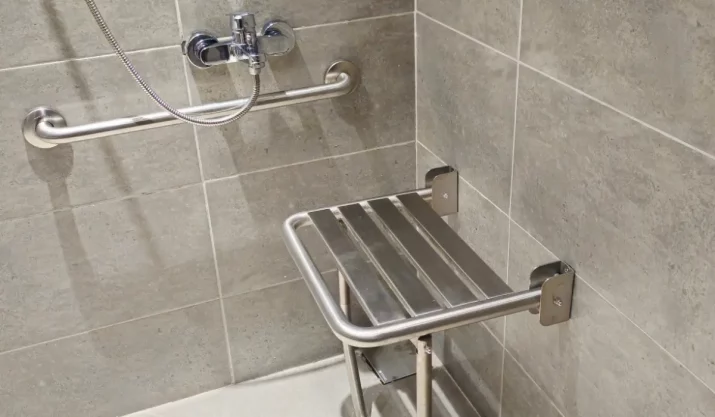
Table of Contents
- Can You Get a Free Bathroom Remodel for Seniors in California?
- Medi-Cal Programs That May Cover Bathroom Modifications
- Local California Home Repair Programs and Aging Resources
- Veterans Benefits and Nonprofit Home Modification Help
- Which Bathroom Upgrades May Qualify?
- How to Apply and What to Expect
- Choosing the Right Bathroom Accessibility Solution in California
- Frequently Asked Questions
California doesn’t have one universal program that gives every older adult a free bathroom renovation. However, a free bathroom remodel for seniors may be possible through Medi-Cal home modification benefits, local home repair grants, veterans programs, nonprofit assistance, or a combination of funding sources. Knowing where to look, who may qualify, what bathroom safety modifications are commonly considered, and what to expect from applications, waitlists, and partial funding will help you find the right program for your accessibility needs.
Key Takeaways
- A free bathroom remodel for seniors usually means funding for necessary accessibility work, not a complete cosmetic renovation.
- Medi-Cal programs, Area Agencies on Aging, local housing departments, veterans benefits, and nonprofits can all be worth checking, but each has different eligibility rules.
- Funding may cover only part of a project, and some programs require assessments, prior approval, approved contractors, or time on a waiting list.
Can You Get a Free Bathroom Remodel for Seniors in California?
A free bathroom remodel for seniors in California is usually tied to health, disability, income, or home safety needs. Programs are more likely to pay for an accessible bathroom remodel when the work helps someone bathe, use the toilet, transfer safely, or continue living at home.
The type of help varies. Some bathroom remodel grants for seniors don’t require repayment. Other programs use deferred loans, low-interest financing, nonprofit labor, or Medi-Cal benefits. Local home rehabilitation grants in California may also fund accessibility work when the homeowner meets income and property requirements.
| Type of Assistance | How It Usually Works | What to Check |
| Grant | Pays for eligible work without regular repayment | Income, age, disability, and residency rules |
| Medi-Cal support | Pays for approved accessibility modifications | Health plan participation and authorization |
| Deferred loan | Finances repairs with repayment delayed | When repayment becomes due |
| Nonprofit assistance | Provides labor, materials, or project funding | Service area and available funding |
| Veterans benefit | Supports qualifying home modifications | Veteran status and medical eligibility |
The distinction between functional and cosmetic work matters. A program may help pay for a low-threshold shower because a tub wall has become a barrier. The same program may exclude premium tile, upgraded cabinetry, decorative lighting, or other changes that don’t address accessibility.
Medi-Cal Programs That May Cover Bathroom Modifications
For seniors enrolled in Medi-Cal, health-based senior home modification programs are one of the first places to investigate. Medi-Cal home modifications are generally connected to a documented functional need rather than a desire to update the room.
Environmental Accessibility Adaptations
California includes Environmental Accessibility Adaptations within its Community Supports framework. The California Department of Health Care Services describes Community Supports as services that managed care plans can use to address certain health-related needs outside a traditional medical setting.
For an eligible member, home modification assistance may address barriers that make bathing, toileting, transfers, or wheelchair access difficult. A plan might consider features such as grab bars, shower access changes, doorway modifications, or other work needed for safe use of the home.
Coverage isn’t automatic for every Medi-Cal member. Availability depends on the health plan, program rules, assessment findings, and whether the proposed modification meets the program’s criteria.
Medi-Cal Waiver and Home-Based Programs
Medi-Cal also operates Home and Community-Based Services programs for people who meet specific care requirements. These programs are designed to support eligible people in their homes and communities instead of institutional settings.
Depending on the program, aging in place home modifications may be part of the support available. The exact pathway differs by individual, so contact your Medi-Cal plan, case manager, or care coordinator before scheduling work.
Ask what documentation is required and whether the project needs written approval first. Medical records, an accessibility assessment, contractor estimates, or an approved scope of work may be part of the process.
Local California Home Repair Programs and Aging Resources
Not every senior who needs bathroom modifications will qualify through Medi-Cal. Local housing agencies and aging organizations can open other routes to home accessibility grants in California.
Area Agencies on Aging
An Area Agency on Aging (AAA) can help you identify resources available where you live. California’s aging programs differ by county, so an AAA can be especially useful when you know what needs to change but don’t know which agency handles the funding.
Describe the actual problem when you call. Tell staff that you need help with a walk-in shower for seniors, grab bars, a raised toilet, wheelchair clearance, or another specific accessibility issue. That gives them more to work with than a general request for free remodeling.
An AAA doesn’t necessarily pay for the work itself. It may connect you with a county housing office, disability program, nonprofit, caregiver service, or local low-income senior home repair assistance program.
City and County Home Repair Grants
Cities and counties may offer home repair grants for seniors, rehabilitation programs, or deferred loans for qualifying homeowners. These programs often focus on health and safety conditions, code issues, accessibility, or preserving safe housing for lower-income residents.
Eligibility commonly depends on household income, ownership, primary residence, property location, and the proposed repair. Some programs give preference to older adults or people with disabilities. Others serve any homeowner who meets the financial and property requirements.
Ask whether bathroom accessibility work qualifies under the current program and whether the assistance is a grant or a loan. The phrase “home improvement assistance” doesn’t always mean the money is free.
Weatherization and Rehabilitation Programs
Weatherization is often listed beside home improvement grants for seniors, but it serves a different purpose. Its main focus is energy efficiency, with work such as insulation, air sealing, or heating-related improvements.
A standard weatherization benefit is unlikely to fund a raised toilet or shower conversion by itself. However, some agencies manage both weatherization and broader rehabilitation programs. When you call, ask whether the agency also handles disability home modification grants, health and safety repairs, or accessibility projects. That question can save time and lead you to the right department faster.
Veterans Benefits and Nonprofit Home Modification Help
Veterans and homeowners who don’t qualify for local government funding may have other options. These programs can be especially useful when a larger project needs more than one source of assistance.
Home Modification Benefits for Veterans
Eligible veterans may qualify for help with medically necessary changes to a home. The U.S. Department of Veterans Affairs administers the Home Improvements and Structural Alterations program, commonly called HISA, for qualifying alterations related to treatment or access to essential home facilities.
Bathroom modifications can fall within that purpose when the work is medically necessary. Veterans may also qualify for Specially Adapted Housing or Special Home Adaptation benefits if they meet those programs’ disability requirements.
These benefits aren’t interchangeable. Before signing a remodeling contract, ask the VA which veterans home modification grant or benefit applies, what medical documentation is needed, and whether the project requires approval before work begins.
Nonprofit Accessibility Programs
Nonprofit organizations can sometimes provide accessibility grants for seniors, volunteer labor, materials, or smaller home repairs. Rebuilding Together affiliates, Habitat for Humanity affiliates, and community organizations offer different types of assistance depending on location and available resources.
A nonprofit may not fund an entire bathroom reconstruction. It may instead install grab bars, correct an unsafe threshold, or handle another focused repair that makes the room easier to use.
Funding and project capacity change throughout the year. Treat nonprofit help as one part of your search rather than as guaranteed full coverage.
Which Bathroom Upgrades May Qualify?
Programs usually evaluate bathroom work according to function. The stronger the connection between the requested change and safe bathing, toileting, mobility, or transfers, the easier it is to show why the project is necessary.
The Centers for Disease Control and Prevention (CDC) reports that more than 14 million adults age 65 and older, or about one in four, report falling each year. That doesn’t mean every bathroom needs a full remodel. It does show why senior bathroom safety and practical home modifications deserve attention.
Common Accessibility Improvements
| Bathroom Upgrade | Accessibility Purpose |
| Grab bars | Provides a secure handhold during standing and transfers |
| Low-threshold shower | Reduces the height that must be stepped over |
| Walk-in or roll-in shower | Makes bathing more accessible for some mobility needs |
| Raised or comfort-height toilet | Reduces the effort needed to sit and stand |
| Wider doorway | Creates clearance for walkers and wheelchairs |
| Slip-resistant flooring | Improves traction on wet bathroom surfaces |
| Reachable shower controls | Makes controls easier to use from a seated position |
| Transfer space | Creates room for mobility equipment or caregiver assistance |
A program can approve the accessibility portion of a project without paying for the entire room. For example, funding might cover a safer shower entrance but not upgraded countertops or decorative fixtures.
That’s why it helps to separate what you need from what you would simply like to change. A focused scope usually makes it easier to discuss the project with a case manager, housing agency, or grant administrator.
How to Apply and What to Expect
Finding a free bathroom remodel for seniors takes more than locating a program name. The application process matters because many funding sources require approval before construction begins.
Start With the Program That Fits Your Situation
Medi-Cal members should contact their plan or case manager first. Veterans can begin with the VA. Income-qualified homeowners can check with their city or county housing department, while an Area Agency on Aging can help when you’re unsure which local program handles accessibility work.
Gather documents early. Programs may ask for identification, income records, proof of ownership or residency, medical information, disability documentation, contractor estimates, or an inspection report.
Before hiring anyone, ask whether written approval is required. Starting work too early can make an otherwise eligible project harder to fund.
Plan for Waitlists and Partial Funding
Qualified applicants don’t always receive immediate assistance. Local programs can run through annual budgets, place applicants on waiting lists, pause intake, or give priority to urgent health and safety cases.
Partial funding is common enough that you should ask exactly what the program will pay for. One agency might fund grab bars and shower access while leaving flooring or cosmetic finishes to the homeowner. Another may approve a smaller modification if it solves the documented accessibility problem at a lower cost.
Don’t treat one denial as the end of the search. Medi-Cal, local housing programs, veterans benefits, and nonprofits use different eligibility rules, so another source may still fit your circumstances.
Choosing the Right Bathroom Accessibility Solution in California
Funding solves only one part of the problem. The bathroom still has to work for the person who uses it, whether that means easier transfers, enough clearance for a walker, safer shower access, or fixtures that can be reached comfortably. A benefit program determines what it will pay for. It doesn’t design the room around your daily routine.
California Mobility works with California homeowners and families who are adapting homes for aging and mobility changes. That experience can help you identify practical accessibility improvements that fit the user and any mobility equipment already in use.
If you’re planning home mobility improvements, contact California Mobility to discuss which changes make sense for your home. A well-planned scope can also make conversations with funding agencies more productive because you will have a clearer idea of what needs to change and why.