

The Device to Help Lift a Person Who Has Fallen That Spares Backs and Dignity
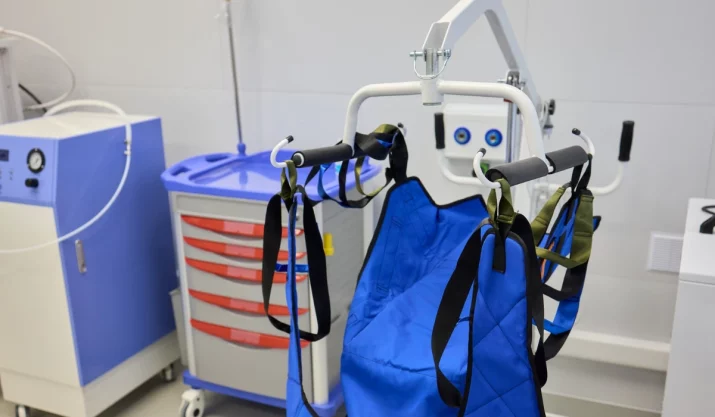
Table of Contents
- What to Do Before Using a Device to Help Lift a Person Who Has Fallen
- Types of Lifting Devices for Elderly People After a Fall
- Comparing Fall-Recovery Devices by Cost, Training, and Storage
- How to Choose the Right Elderly Fall Lifting Device
- Making Your California Home Safer for Everyday Mobility
- Frequently Asked Questions
A device to help lift a person who has fallen uses air pressure, mechanical supports, or powered lifting systems to raise someone from the floor without forcing a caregiver to lift their full weight. Inflatable lifting cushions, floor lifts, and Hoyer-style patient lifts serve different needs, depending on how much the person can move independently.
Picture an elderly loved one sitting on the kitchen floor after a fall, unable to stand even though he says he feels fine. Before reaching down to pull him up, you need to know whether he’s injured and which lifting method is appropriate. Understanding the equipment, costs, training requirements, and storage needs can help you prepare for that situation without putting either person’s safety at risk.
Key Takeaways
- Check for injuries before moving anyone. A lifting device can’t replace medical assessment, especially when someone has pain, confusion, or signs of a serious injury.
- Choose equipment based on the person’s mobility. Inflatable cushions and floor lifts help suitable users reach a seated position, while some Hoyer-style lifts provide full-body support for people who can’t bear weight.
- Protect both the caregiver and the person being lifted. Appropriate equipment can reduce manual lifting, but safe operation, caregiver training, and respectful communication remain necessary.
What to Do Before Using a Device to Help Lift a Person Who Has Fallen
Getting someone off the floor should never take priority over checking for injuries. Ask whether they hit their head, where they feel pain, and whether they can move comfortably. Someone who appears alert may still have a fracture or another injury that makes lifting unsafe.
Call 911 if the person is unconscious, has difficulty breathing, shows signs of a serious injury, or can’t move safely. Avoid moving someone with a suspected head, neck, spine, or hip injury unless emergency personnel direct you to do so or an immediate danger makes movement necessary. If you’re uncertain about their condition, seek medical advice before attempting a transfer.
Why Manual Lifting Can Hurt Both People
Pulling someone up by their arms or lifting them around the waist puts considerable strain on your shoulders and lower back. Their weight can shift unexpectedly, especially if they’re frightened, dizzy, or unable to support themselves. A caregiver who loses balance may also cause the person to fall again.
The Occupational Safety and Health Administration (OSHA) identifies manual patient handling as a source of musculoskeletal injuries among healthcare workers. Family caregivers face similar physical demands, often without formal training. Appropriate lifting equipment reduces the need to raise another adult’s body weight manually once moving them has been deemed safe.
Types of Lifting Devices for Elderly People After a Fall
Different fall-recovery devices serve different levels of mobility. Someone who can sit upright but can’t stand may benefit from a seated lifting system, while a person who can’t bear weight may require a full-body patient lift.
Inflatable Lifting Cushions
An inflatable lifting cushion uses an air compressor to fill chambers beneath the person. As the sections inflate, the cushion gradually raises them from floor level toward a seated height. A caregiver operates the controls and provides assistance with positioning and balance.
These cushions may work well for people who can maintain a supported sitting position. Many models deflate for compact storage, making them useful in homes where a large lifting frame would be inconvenient. However, the person must be able to tolerate the movement, and the caregiver must follow the manufacturer’s positioning instructions.
Floor Lifts and Powered Lifting Aids
A floor lift for elderly users relies on a mechanical or motorized platform, seat, or lifting mechanism. Some models start close to the ground and raise a seated person to a height where they can transfer to a chair. Others offer additional back support during the lifting process.
Powered lifting devices use electric motors or rechargeable batteries to perform the movement. Check their minimum lifting height carefully because not every powered lift can retrieve someone from the floor. For example, a sit-to-stand lift typically requires some weight-bearing ability and isn’t a substitute for a floor-recovery device unless the manufacturer specifically approves that use.
When a Hoyer-Style Lift Is Appropriate
A Hoyer-style lift uses a sling attached to a mechanical frame to support someone’s body during a transfer. It is commonly used for people who can’t bear weight or need substantial help moving between a bed, wheelchair, and other supported surfaces.
Some full-body Hoyer-style lifts can pick someone up directly from the floor, but that capability varies by model. The U.S. Food and Drug Administration (FDA) emphasizes proper patient lift operation, compatible slings, and equipment weight limits. A clinician should help determine whether a sling lift suits the person’s needs, particularly when regular assisted transfers are necessary.
Comparing Fall-Recovery Devices by Cost, Training, and Storage
Choosing a device to help lift a person who has fallen involves more than its lifting capacity. The equipment also needs to fit your budget, the caregiver’s abilities, and the space available inside your home.
| Device | Cost Considerations | Training Requirements | Storage |
| Inflatable lifting cushion | Cushion, compatible compressor, and replacement components | Safe positioning, inflation controls, and seated transfers | Usually compact when deflated |
| Mechanical floor lift | Lifting frame, mechanism, and accessories | Positioning, lifting controls, and transfer procedures | Depends on frame dimensions and folding design |
| Powered lifting aid | Motor, battery, charger, and maintenance | Operating controls, charging, and supported transfers | Varies from compact seats to larger wheeled frames |
| Hoyer-style patient lift | Frame, compatible slings, and servicing | Sling fitting, transfer techniques, and emergency procedures | Requires maneuvering space for the frame and base |
Actual prices and operating requirements vary by model. Compare current supplier quotes and manufacturer instructions before purchasing.
What Determines the Cost of a Fall-Recovery Device?
An inflatable lifting cushion may require a separate or included compressor, while a powered floor lift involves batteries and mechanical components. Hoyer-style lifts may need compatible slings in different sizes or configurations, adding to the total cost.
Instead of comparing equipment prices alone, request an itemized quote. Ask whether delivery, setup, caregiver training, replacement parts, and warranty coverage are included. If you only need equipment temporarily, investigate rental availability and compare the overall cost with purchasing.
How Much Training and Storage Space Will You Need?
A lifting device may have simple controls but still require careful positioning. Caregivers must understand the person’s weight limits, safe transfer procedures, and what to do if the equipment stops operating. Some devices require more than one trained assistant, so follow the manufacturer’s directions rather than assuming you can manage alone.
Storage requirements can be particularly relevant in smaller California homes. An inflatable cushion may fit inside a storage bag, while a mechanical patient lift requires room for its frame, base, and wheels. Measure doorways, floor clearance, and the space around beds or chairs before deciding which equipment belongs in your home.
How to Choose the Right Elderly Fall Lifting Device
Before purchasing a lifting aid for an elderly family member, consider what they can physically do without assistance. Can they sit upright, follow instructions, bear some weight, or maintain balance during a transfer? The answers will help determine which lifting system provides appropriate support.
An occupational therapist or physical therapist can assess those abilities and recommend suitable equipment. They can also explain whether the person needs additional support, a specific transfer technique, or assistance from more than one caregiver.
Consider the Home’s Layout and Daily Care Needs
A device that fits comfortably in a large bedroom may be difficult to operate in a narrow hallway. Check the required floor space, furniture clearance, and recommended surfaces. Thick carpeting, tight corners, and door thresholds can affect whether certain wheeled devices move freely.
Frequency of use also matters. Someone who occasionally needs help after a fall may have different equipment needs from a person who relies on assisted transfers every day. Discuss those differences with a professional before buying a lift intended for long-term use.
Preserve Dignity During Assisted Lifting
Being unable to stand after a fall can leave someone feeling vulnerable, especially if they usually manage everyday activities independently. Rushing to move them or making decisions without asking can add to that discomfort.
Explain how the lifting device works before positioning it, and ask permission before moving or adjusting their body. Allow them to participate when they can do so safely. Providing clear instructions and protecting their privacy can make the experience less distressing while you focus on completing the transfer correctly.
Making Your California Home Safer for Everyday Mobility
A device to help lift a person who has fallen can reduce the strain of floor recovery, but equipment alone can’t address every mobility concern. Inflatable cushions and floor lifts may suit people who can sit with support, while Hoyer-style systems serve individuals needing more extensive transfer assistance. Professional assessment remains the best starting point for determining which approach is appropriate.
For someone aging in place, it’s also worth addressing everyday barriers that make moving around the home difficult. Stairs, raised entrances, and changes in floor level can limit access to essential spaces. Improving these areas helps make daily movement more manageable, alongside appropriate fall-recovery planning.
California Mobility offers stair lifts, ramps, home lifts, and other accessibility solutions help California families make their homes easier to navigate. After discussing fall-recovery equipment with a healthcare professional, contact California Mobility to find out which home accessibility improvements fit your family’s needs.