

The Dog Stair Lift Question Every Aging Pup Owner Eventually Asks
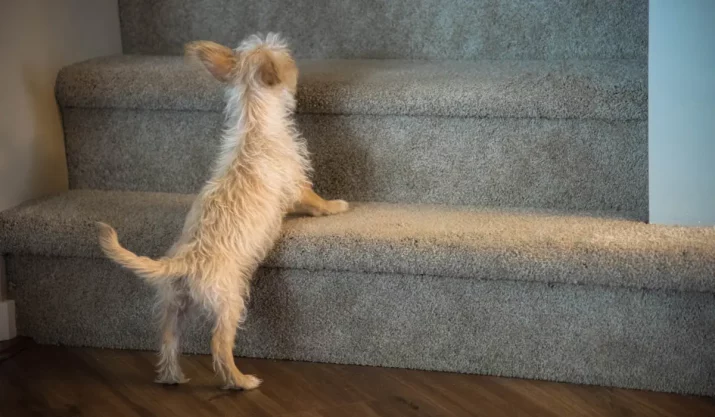
Table of Contents
- Can You Use a Regular Stair Lift as a Dog Stair Lift?
- How to Recognize Joint Pain and Stair Problems in Senior Dogs
- Safest Alternatives to a Dog Stair Lift
- How to Keep Your Dog Safe Around a New Home Stair Lift
- Making Your California Home Easier for You and Your Senior Dog
- Frequently Asked Questions
Your dog used to race you upstairs, but now they hesitate at the bottom or wait for someone to help. If you’ve started looking for a dog stair lift, there’s something worth knowing: regular home stair lifts are designed for people, not pets. Senior dogs are better served by mobility aids made for animals, such as ramps, lifting harnesses, or specialized pet lifts.
For families in multi-story California homes, the challenge is finding ways to keep an aging dog comfortable without changing every household routine. Recognizing signs of joint pain, choosing appropriate equipment, and planning for pets around a new residential stair lift can make everyday life easier.
Key Takeaways
- Regular stair lifts aren’t designed for dogs. Residential stair lifts transport people, while pet-specific equipment accounts for an animal’s size, movement, and support needs.
- Changes in stair-climbing habits deserve attention. Hesitation, stiffness, and difficulty climbing can indicate joint pain or other mobility problems that need veterinary evaluation.
- People and pets can have separate mobility solutions. Ramps, harnesses, and home adjustments can help senior dogs, while a new residential stair lift can help family members who struggle with stairs.
Can You Use a Regular Stair Lift as a Dog Stair Lift?
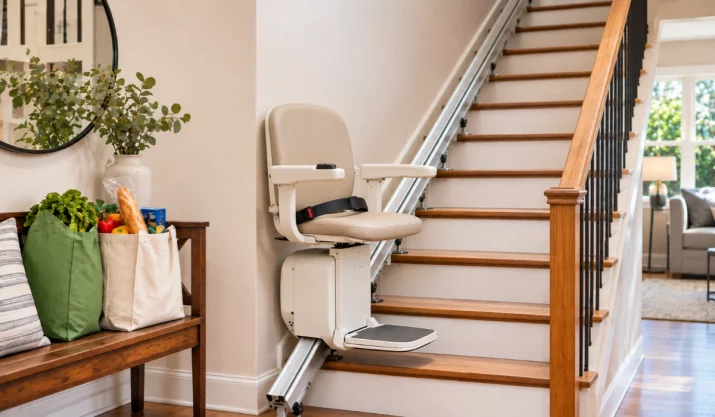
A residential stair lift carries a seated person along a rail attached to the staircase. It might seem suitable for a small dog, especially one that enjoys sitting in your lap. But fitting on the chair doesn’t make the equipment safe for pets.
Dogs can stand, turn, or try to jump off without warning. The chair’s seating arrangement and restraints aren’t intended to secure an animal, and carrying your dog on your lap can interfere with safe operation. Even a calm dog may react unexpectedly to movement or unfamiliar mechanical sounds.
How Are Pet Lifts Different?
Purpose-built pet lifts are designed specifically for animal transport. Depending on the product, they may use an enclosed carrier or another mechanism intended to accommodate a dog’s size and movement.
Before choosing one, check the manufacturer’s intended use, weight limits, safety provisions, and installation requirements. A product suitable for a small dog may not accommodate a larger breed or fit your staircase.
Also consider how often your dog needs to change floors. If they only go upstairs at bedtime, moving their sleeping area downstairs may solve the problem without additional equipment.
How to Recognize Joint Pain and Stair Problems in Senior Dogs
Senior dogs don’t always show discomfort by crying or limping. Some simply move more slowly, hesitate before climbing, or stop following family members upstairs.
These changes can be associated with arthritis. The U.S. Food and Drug Administration (FDA) explains that osteoarthritis in dogs involves joint inflammation and pain, which can make everyday movements uncomfortable. Dogs with this condition may struggle to get up after resting, climb stairs, jump onto furniture, or enjoy their usual walks. These changes can gradually affect their activity levels and quality of life.
Signs Your Dog May Need Mobility Support
Watch for changes in your dog’s usual movements, especially after resting or exercising.
| What You Notice | What It May Indicate |
| Pausing before climbing stairs | Discomfort, weakness, or uncertainty |
| Taking steps unusually slowly | Reduced strength or joint flexibility |
| Stiffness after sleeping | Joint discomfort or mobility limitations |
| Avoiding jumps onto furniture | Difficulty pushing off or landing |
| Limping after activity | Pain or an underlying injury |
| Slipping on steps | Poor traction, weakness, or balance problems |
A dog that struggles on stairs may still walk normally across the living room. Stairs place different demands on the legs and joints, so problems can become noticeable there first.
When to Visit the Veterinarian
Schedule an examination if your dog repeatedly avoids stairs, moves differently, or seems uncomfortable during familiar activities. Your veterinarian can assess joint movement, strength, and coordination to identify the likely cause.
The American Animal Hospital Association defines the senior stage as approximately the last 25% of a dog’s expected lifespan. Since breeds and individual dogs age differently, mobility care should reflect your pet’s health rather than age alone.
Your veterinarian may recommend changes to exercise, weight management, medication, rehabilitation, or your home environment. Sudden inability to stand, severe pain, or loss of coordination requires urgent veterinary attention.
Safest Alternatives to a Dog Stair Lift
The right alternative to a dog stair lift depends on your pet’s mobility, weight, and the stairs they’re trying to navigate. A dog struggling with three porch steps faces a different challenge from one trying to reach an upstairs bedroom.
Before buying, observe whether your dog can walk comfortably on level surfaces and how much assistance they need. Your veterinarian can help you decide which movements should be supported or avoided.
Dog Ramps and Non-Slip Stair Treads
A dog ramp can help with small height differences, including access to a low porch or vehicle. Choose a stable ramp with a gradual incline, sufficient width, and a non-slip surface.
A full indoor staircase is more complicated. Placing a portable ramp over steep stairs can create a slope that’s difficult for an older dog to control, particularly when going downhill.
If your dog still climbs independently but slips on hardwood steps, secured carpet runners or non-slip treads may help. Avoid loose mats that could slide under their paws.
Dog Lifting Harnesses
A dog lifting harness lets you support part of your pet’s weight when they’re getting up or navigating short distances. Some designs support the hindquarters, while others provide support around more of the body.
The harness must fit comfortably and suit your dog’s condition. Supporting a large dog on stairs can strain your back or cause both of you to lose balance, so ask a veterinarian or rehabilitation professional to demonstrate safe handling.
Pet Lifts and Main-Floor Adjustments
Specialized pet lifts may suit certain homes and dogs, but they require equipment designed for animal transport and careful assessment of the installation space. Sometimes, the better choice is reducing stair use altogether. Move your dog’s bed, water, food, and favorite resting spot to the main floor.
If they enjoy staying close to the family, create a comfortable space near the rooms everyone uses most. That arrangement can help your dog remain part of daily household activities without repeatedly climbing stairs.
How to Keep Your Dog Safe Around a New Home Stair Lift
A household can have both a senior dog and a new residential stair lift. The important distinction is who uses the equipment. A stair lift helps a person travel between floors, while your dog relies on mobility support suited to their needs.
For example, an older homeowner may use a stair lift to reach an upstairs bedroom while their dog sleeps downstairs. That arrangement allows both to move through the home without expecting the same equipment to serve different purposes.
Keep Pets Away From Moving Equipment
Before using the stair lift, make sure your dog isn’t resting on the stairs or near the chair’s travel path. Dogs sometimes settle near landings because they want to stay close to family members.
Residential stair lifts may have obstruction sensors and other protective features. However, these don’t replace keeping pets clear during operation. Follow the specific model’s operating instructions and never allow your dog to ride unattended or interfere with the controls.
Plan a Pet-Friendly Stair Lift Installation
When planning a new stair lift installation, tell the installer about your dog’s routines. Mention whether your pet follows people upstairs, rests near the landings, or regularly crosses the staircase.
These details can help you plan where the chair will be parked and whether nearby furniture or pet bedding needs to move. In California homes with narrow hallways or compact stair landings, even a small furniture adjustment can keep a commonly used path clear.
If your dog wanders onto the staircase, consider a suitable barrier to prevent unsupervised access. Keep the area around the lift clear during operation, and supervise pets until they’re familiar with the new household routine.
Making Your California Home Easier for You and Your Senior Dog
When your aging dog starts avoiding stairs, a dog stair lift may seem like an easy answer. In most homes, veterinary care, pet ramps, supportive harnesses, and a main-floor living arrangement are more appropriate options to investigate. The goal is to reduce uncomfortable movement while helping your dog stay close to the family.
If you or someone in your household also struggles with stairs, a new residential stair lift can address that separate mobility challenge. It allows the person using the lift to travel between floors while you maintain safe boundaries for pets. A professional installation also helps ensure the equipment suits your staircase and household routine.
California Mobility helps California homeowners select and install new residential stair lifts suited to their accessibility needs. Contact California Mobility to discuss a new stair lift installation and how to plan around the people and pets who share your home.