

Choosing Bathroom Grab Bars for Elderly Parents Without the Guesswork
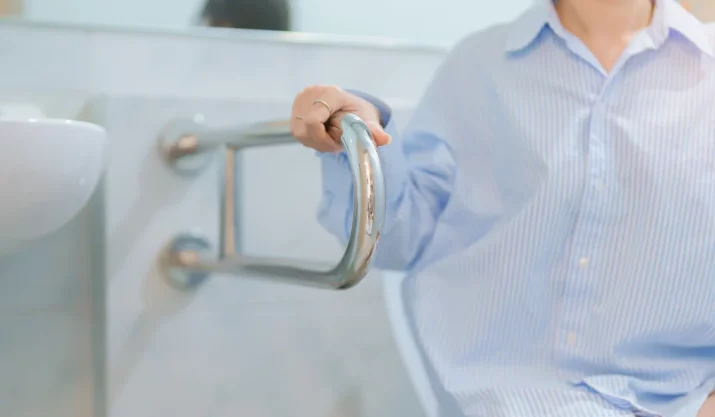
Table of Contents
A towel bar can look sturdy until someone puts their full weight on it. The same goes for a shower door, vanity edge, or toilet-paper holder. If your mother or father has started reaching for those fixtures when stepping into the tub or standing from the toilet, the bathroom is showing you where better support may be useful.
Choosing bathroom grab bars for elderly parents starts with watching how they already move. Where do they pause? Which hand reaches for support? Does stepping over the tub wall take extra concentration? Those details tell you more than an empty section of wall or a generic installation diagram.
The goal is to give your parent a dependable handhold without turning a familiar bathroom into a clinical space. Good placement, the right bar style, and load-bearing installation can support everyday routines while allowing your parent to keep doing as much as possible on their own.
Key Takeaways
- Choose grab bars around specific movements, especially tub entry, shower use, and toilet transfers.
- Match the bar type to the task, then make sure the mounting method can handle body weight.
- Treat grab bars as one part of bathroom safety for seniors, along with shower seating, better lighting, and easier access to everyday items.
Where Bathroom Grab Bars for Elderly Parents Matter Most
Falls become more common with age. The Centers for Disease Control and Prevention (CDC) reports that more than 14 million adults age 65 and older fall each year, which is about one in four older adults. That statistic doesn’t tell you where an individual parent will lose balance, but it explains why fall prevention for older adults deserves attention at home.
In a bathroom, the best starting points are usually the moments when balance changes quickly. Stepping over a tub wall, turning on a wet shower floor, and rising from a toilet all ask the body to shift weight while maintaining control. Each movement calls for a slightly different kind of support.
Tub Entry and Exit
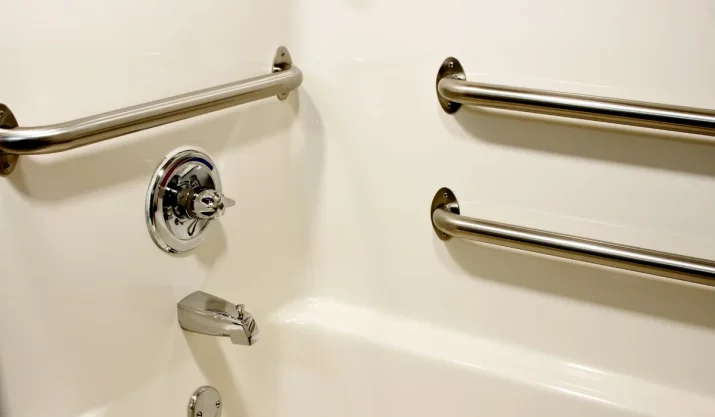
Stepping over a tub wall puts most of the body’s weight on one leg while the other clears the edge. If the floor is wet, the movement becomes less forgiving. Well-positioned bathtub grab bars can give your parent something solid to hold before the step begins and after both feet are safely positioned.
The handhold should be reachable from outside the tub. If your parent has to lean across the threshold before reaching the bar, the placement is working against the movement it is supposed to support.
Inside the Shower
A walk-in shower eliminates the high tub wall, but it still involves turning, reaching, and standing on a wet surface. Shower grab bars for elderly adults are most useful when they correspond to those actual movements rather than simply following the longest available wall.
Watch the entire routine. A parent who enters the shower comfortably may need more support while turning toward the controls or standing from a seat. That may call for more than one gripping position.
Beside the Toilet
Lowering onto a toilet requires control. Standing back up requires leg strength, balance, and a forward weight shift. When those movements become harder, a person may begin using the sink counter or toilet-paper holder for leverage.
The National Institute on Aging recommends grab bars near toilets and inside and outside tubs and showers. Toilet grab bars should still be positioned around the user’s reach, strength, and preferred side rather than installed at an arbitrary location.
How to Choose the Right Grab Bar Type
The shape of a grab bar changes how it can be used. Straight, angled, and flip-up designs all have a place in senior bathroom safety, but each works best for particular movements.
| Grab Bar Type | Common Location | Useful For |
| Straight grab bar | Shower, tub entrance, toilet wall | Steadying, stepping, and side-to-side movement |
| Angled grab bar | Tub or shower wall | Reaching from a lower grip to a higher grip |
| Flip-up grab bar | Beside toilets and open transfer areas | Support that can move out of the way when necessary |
Straight and Angled Grab Bars
Straight grab bars are flexible because they can be positioned vertically, horizontally, or diagonally. A vertical bar near a tub entrance can provide support while stepping across the threshold. A horizontal bar along a shower wall may help someone steady themselves while moving inside the bathing area.
Angled grab bars offer gripping points at several heights. That can work well for someone whose hand naturally moves upward while standing. The angle should follow the person’s reach and movement rather than the tile pattern.
Flip-Up and Fold-Down Grab Bars
A flip-up grab bar, sometimes called a fold-down grab bar, is often useful beside a toilet when there’s open space on one side. The bar can provide support during a transfer and fold upward afterward.
Because these bars extend away from the mounting surface, installation deserves extra attention. The wall and fasteners must be able to handle the force placed on the outer end of the bar.
How to Plan Grab Bar Placement and Installation
Good grab bar placement begins before anyone drills a hole. Have your parent move through the bathroom slowly while you observe. Notice which hand reaches first, how high the elbow sits, where the feet land, and whether reaching for support causes the body to twist.
Painter’s tape can help mark a possible gripping zone before installation. This gives your parent a chance to test the location without committing to it. Height, arm length, shoulder movement, balance, and the use of a walker or shower chair can all affect comfortable bathroom grab bar placement.
Accessibility standards provide useful technical reference points. The ADA Standards for Accessible Design include dimensions and structural requirements for grab bars in covered accessible facilities.
| ADA Grab Bar Specification | Requirement |
| Circular grab bar diameter | 1.25 to 2 inches |
| Clearance between bar and wall | 1.5 inches |
| Structural resistance | 250 pounds of force |
| Gripping surface | Free of sharp or abrasive elements |
These figures help show what substantial, usable support looks like. They aren’t a universal residential placement plan. A private bathroom still needs to account for the person using it, the wall structure, fixture locations, and the manufacturer’s instructions.
Mounting Into Studs or Structural Blocking
For grab bar installation into studs, the fasteners connect directly to framing behind the finished wall. Structural blocking can serve the same purpose. During a remodel, blocking can be added in planned grab-bar locations before tile or wallboard goes up.
Existing bathrooms are more complicated. Studs may not line up with the best gripping location, and tile can hide what is behind the wall. Plumbing and wiring may also limit safe drilling locations.
Using Grab Bar Anchors
Some manufacturers provide engineered grab bar anchors for situations where direct attachment to a stud isn’t practical. The anchor must be approved for the wall assembly and installed according to its instructions.
That’s different from using an ordinary plastic drywall anchor. A grab bar, fastener, anchor, and wall all work as one load-bearing system. If your parent may pull hard on the bar during a transfer, general-purpose hardware isn’t the place to improvise.
Why Suction-Cup Grab Bars Are Not a Safe Substitute
Suction-cup grab bars are appealing because they require no drilling. Their grip, however, depends on maintaining suction against the surface. Grout lines, textured tile, soap residue, moisture, and a weakening seal can affect how firmly the product stays attached.
A suction-mounted device shouldn’t replace a permanently mounted bar when your parent may put body weight on it. The problem becomes more serious if someone instinctively grabs the device during a slip and expects it to behave like structural support.
Professional grab bar installation is especially worthwhile for load-bearing use. A qualified installer can locate framing, evaluate wall materials, choose an appropriate anchoring system, and avoid hidden plumbing or electrical lines.
Choosing Finishes and Other Bathroom Safety Upgrades
A safer bathroom doesn’t need to look institutional. Stainless steel grab bars, brushed nickel, chrome, matte black, white, and other finishes can coordinate with the hardware already in the room.
The gripping surface deserves more attention than the color. Wet hands can slide on highly polished metal, so textured or non-slip grab bars may be easier to hold. Contrast also helps. A bar that stands out slightly against the wall can be easier to find quickly than one that visually disappears into the tile.
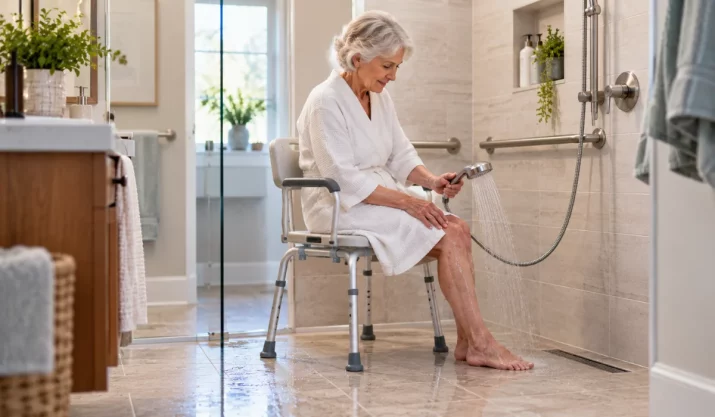
Add a Shower Chair When Standing Is Difficult
A shower chair for elderly adults can reduce the amount of time spent standing on a wet surface. It may also make bathing less tiring for someone with limited endurance or leg strength.
Position the chair where a securely mounted bar is within comfortable reach. The user should be able to hold the bar while sitting down and standing again without twisting behind the shoulder.
Improve Lighting and Keep Essentials Within Reach
Bathroom lighting for seniors should make edges, thresholds, and wet areas easy to see. Check the path to the bathroom at night too. A well-lit bathroom is less helpful if the hallway leading to it remains dark.
Keep shampoo, towels, toilet paper, and other frequently used items within easy reach. These small bathroom modifications for seniors reduce the need to bend deeply, stretch across a wet floor, or reach for an unstable fixture. Together, they create a more practical aging-in-place bathroom.
Helping Your Parent Stay Independent at Home
Choosing bathroom grab bars for elderly parents becomes easier when you begin with the movement instead of the hardware. Identify where support is needed, choose a bar that fits that movement, place it within natural reach, and make sure the wall can support a load-bearing installation. Professional installation is especially valuable when the bar will be relied on during tub, shower, or toilet transfers.
Grab bars also work better when the rest of the room supports the same goal. A shower chair, stronger lighting, clear walking space, and easy-to-reach supplies can make daily routines less physically demanding. These changes can help your parent continue managing familiar tasks without relying on unstable fixtures or another person every time they use the bathroom.
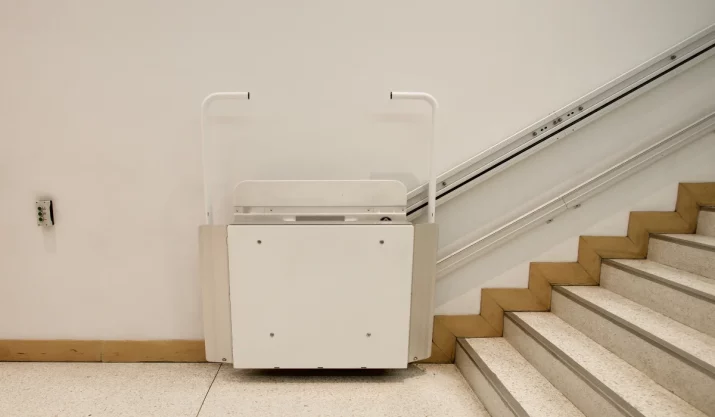
If bathroom safety is one part of a larger accessibility plan, California Mobility can help you look at how the rest of the home supports your parent’s mobility. California Mobility provides accessibility solutions such as ramps, stair lifts, and home lifts for California families. Planning those changes together can make it easier to create a home that continues working as mobility needs change.