

Why a Walker With a Seat Changes How Far You Can Go
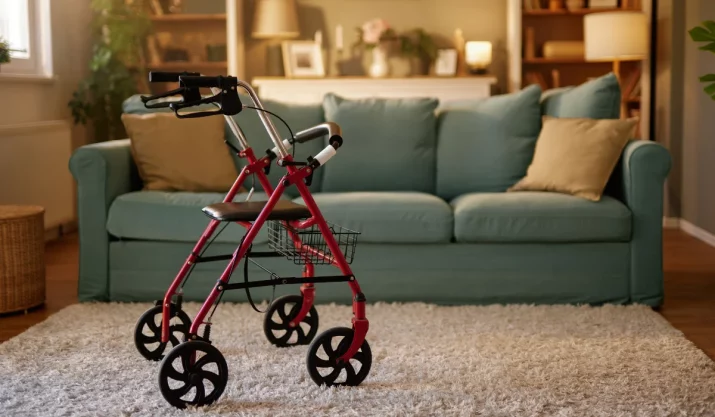
Table of Contents
- How a Walker With a Seat Can Extend Your Walking Range
- Why Rest Breaks Matter for Fatigue and Fall Safety
- Choosing a Walker With a Seat That Fits Your Routine
- Who Benefits From a Rollator and When a Standard Walker Fits Better
- Choosing a Walker With a Seat for the Life You Want to Keep Doing
- Walker With Seat: FAQs
You may walk comfortably around your home but hesitate before a large grocery trip, long medical appointment, or afternoon at the park. The distance itself is only part of the challenge. You also have to know whether you will have somewhere to sit when your legs get tired.
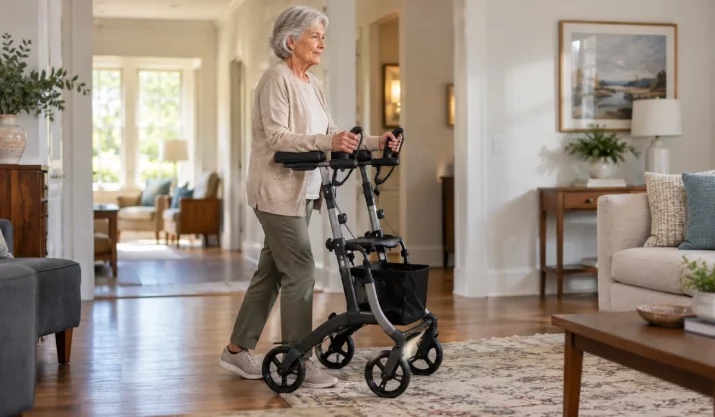
A walker with a seat gives you that option wherever it’s safe to stop. Often called a rollator or rollator walker, it lets you divide a longer outing into shorter stretches of walking. For many people, that changes “I can’t walk that far” into “I can rest for a few minutes and keep going.”
That can make ordinary plans feel manageable again. Errands, neighborhood walks, family events, and outdoor activities become easier to plan when you aren’t depending on the next bench or chair being available.
Key Takeaways
- A walker with a seat can help you manage longer outings by giving you a predictable place to rest between periods of walking.
- Brakes, seat height, handle height, weight capacity, and storage all affect how safely and comfortably a rollator works for you.
- A rollator isn’t the right choice for everyone. A standard walker may provide better support if you need more stability with each step or can’t safely control hand brakes.
How a Walker With a Seat Can Extend Your Walking Range
A walker with a seat works well as a range extender when you can still walk, but fatigue limits how long you want to stay out. It doesn’t create extra strength. Instead, it gives you a practical way to divide one long effort into several shorter ones.
Picture a trip through a large shopping center. Walking from the parking lot to one store may be comfortable, while visiting three stores and getting back to the car feels like too much. With a seated walker, you can stop between stores, sit for a few minutes, and continue if you feel ready.
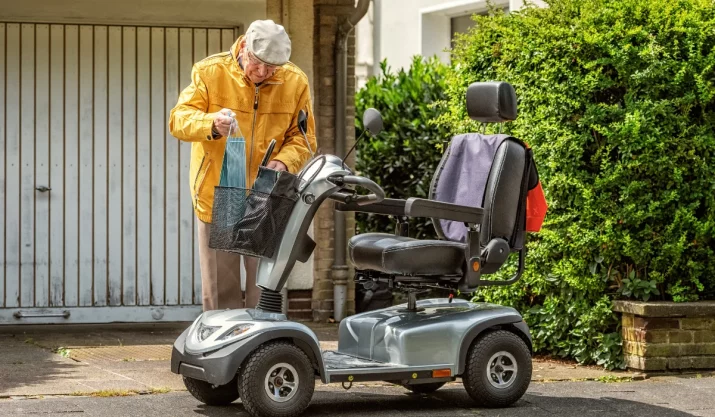
The same idea applies at California parks, farmers markets, community events, and medical campuses. Seating may be farther away than you expected or already occupied. A rollator with seat gives you more control over when you stop and how quickly you move through the outing.
| Situation | Without a Built-In Seat | With a Rollator Seat |
| Grocery shopping | You may need to finish before fatigue builds | You can pause between parts of the trip |
| Parks and outdoor events | Rest depends on available benches | A resting place travels with you |
| Long lines | Standing can use energy you need for walking | You have another option when standing becomes tiring |
| Medical visits | Parking areas and hallways can add unexpected distance | You can divide the trip into shorter walking periods |
| Family outings | Limited seating may shorten your visit | Planned rest can make a longer outing more manageable |
That’s the real advantage of a rolling walker with a seat. You still respect your physical limits, but you have another way to manage walking endurance.
Why Rest Breaks Matter for Fatigue and Fall Safety
Fatigue can change how you walk before you fully notice it. Your steps may shorten, your feet may clear the ground less consistently, or you may lean harder on your walking aid. You may also have less attention available for curbs, doorway thresholds, cracked pavement, and changes in flooring.
Taking a break earlier gives you time to recover before walking becomes harder to control. A seated walker can’t prevent falls, but planned rest can reduce the amount of time you spend pushing through heavy fatigue.
According to the Centers for Disease Control and Prevention, about one in four adults age 65 and older report falling each year. The CDC also reports that about 37% of older adults who fall experience an injury that requires medical treatment or limits activity for at least one day.
Rest Before Fatigue Takes Over
A useful rest break happens before your legs feel shaky or every additional step feels harder than the last. You might stop after several grocery aisles, before crossing a large parking lot, or midway through a walk at the park.
The National Institute on Aging identifies muscle weakness, balance problems, medications, vision changes, and environmental hazards among the factors that can contribute to falls. Rest is only one part of safer mobility, but having a seat available makes it easier to respond when fatigue starts affecting the way you move.
Choosing a Walker With a Seat That Fits Your Routine
A comfortable seat matters, but it’s only one part of choosing a walker with a seat. The walker also has to fit your body, respond predictably, and work on the surfaces you use most often.
The MedlinePlus walker safety guide stresses proper fit and safe technique when using a walker. If you’re unsure about the type of mobility aid you need, a physical therapist or occupational therapist can assess your gait and help with fitting.
Brakes and Seat Height
Most four-wheel walkers with seats use hand brakes. You squeeze them to slow the walker and lock them before sitting. You need enough hand strength and coordination to operate both brakes reliably, since the walker should remain still while you sit down or stand back up.
Seat height affects that movement too. A seat that’s too low may make standing difficult, while one that’s too high can leave your feet poorly supported. Handle height should let you walk without reaching too far forward or bending excessively at the waist.
Weight Capacity, Storage, and Wheels
Check the manufacturer’s stated walker weight capacity for the exact model you’re considering. Similar-looking rollator walkers can have different limits, so appearance alone isn’t a reliable guide.
A walker basket or storage pouch can be useful for more than convenience. It gives you somewhere to place a small purse, water bottle, medication, or light purchases while keeping both hands available for steering and braking.
Wheel design matters if you expect to use the walker outdoors. Smooth floors, sidewalk cracks, thresholds, grass, and uneven pavement create different demands. A model that feels easy to control inside a home may handle differently on an outdoor path.
| Feature | What to Check |
| Walker brakes | You can slow, stop, and lock them comfortably |
| Seat height | You can sit and stand with control |
| Handle height | You can walk upright without reaching |
| Weight capacity | The walker is rated for your weight |
| Basket or pouch | Storage doesn’t interfere with steering or brakes |
| Wheels | The design fits the surfaces you use most often |
Who Benefits From a Rollator and When a Standard Walker Fits Better
A rollator walker often suits someone who walks reasonably well with light support but becomes tired during longer distances. It can also help when you avoid errands or outings because you can’t rely on finding a chair when you need one.
You still need to control a device that rolls freely. That includes turning, stopping, using the hand brakes, and keeping the walker close enough that it doesn’t move too far ahead.
When a Rollator Makes Sense
A walker for seniors or other adults with limited mobility should match what happens during a full day, not just a short walk across one room. Someone may move comfortably around the house yet struggle with a supermarket, long doctor’s visit, outdoor market, or family event.
A rollator with seat can be especially useful when fatigue, rather than the need for heavy support with every step, is what limits those longer outings.
When a Standard Walker May Be Better
A standard walker works differently because the frame doesn’t roll continuously. You usually place or advance it, make sure it’s stable, and then step forward. That design can provide more controlled support for someone who needs greater stability with each step.
A standard walker may also be a better fit if you can’t operate hand brakes reliably, tend to let a walker with wheels get too far ahead, or have weight-bearing restrictions that require a particular gait pattern.
Neither design should be chosen on features alone. Balance, strength, hand function, walking endurance, home layout, and the surfaces you use all matter. A clinician who can observe how you walk can help determine which mobility walker fits your needs.
Choosing a Walker With a Seat for the Life You Want to Keep Doing
A walker with a seat can change what feels realistic when distance has started shaping your plans. Instead of asking whether you can make it through an entire grocery trip, park visit, or family event without stopping, you can plan shorter periods of walking with a safe place to rest in between.
The right device still has to fit you. The brakes should be easy to control, the seat and handles should suit your height, the weight rating should be appropriate, and the walker should work well on the surfaces you use most often. If you need more support with each step, a standard walker may still be the better choice.
California Mobility is a family-owned California company with years of experience helping seniors and people with mobility limitations adapt their homes and routines. If stairs, entrances, changes in level, or longer walking distances are making everyday life harder, contact California Mobility to discuss accessibility solutions that fit how you move through your home and community.