

Adjustable Bed Sheets That Stay Put Through Every Position
Table of Contents
- Why Sheets Slip on Adjustable Beds
- Can Regular Sheets Work on an Adjustable Bed?
- Match the Sheets to the Bed Configuration
- Measure the Mattress Before Buying Sheets
- Features That Help Fitted Sheets Stay in Place
- Choosing the Best Fabric for Adjustable Beds
- How to Keep Sheets on an Adjustable Bed
- What to Check Before Buying
- Adjustable Bedding as Part of an Accessible Bedroom
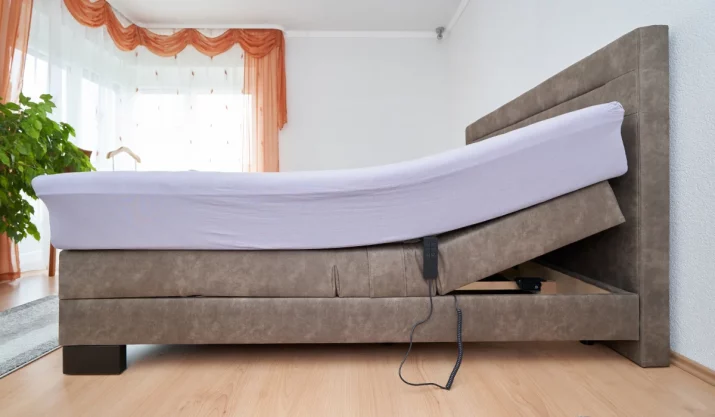
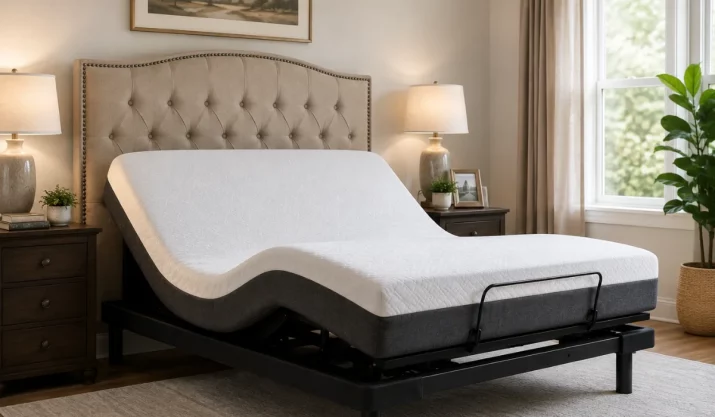
An adjustable bed changes shape each time the head or foot section moves. A fitted sheet that works on a flat mattress may start pulling at the corners once the base rises. One corner slips, fabric gathers near the center, and the top sheet slowly works its way toward the foot of the bed.
The right adjustable bed sheets should move with the mattress without coming loose. That depends on more than fabric choice. Mattress size, pocket depth, elastic strength, corner construction, and bed configuration all affect how well the sheet stays in place.
This matters because bedding problems can become a nightly distraction. The Centers for Disease Control and Prevention (CDC) reported that 30.5% of U.S. adults averaged fewer than seven hours of sleep per day in 2024. While sheets cannot correct a sleep shortage, smooth bedding removes one source of pulling, bunching, and discomfort.
Why Sheets Slip on Adjustable Beds
A fitted sheet stays secure through tension. Elastic pulls the lower edge beneath the mattress while the fabric stretches over the sleep surface. That balance changes when the mattress bends.
Raising the head section pulls fabric toward the center of the bed. The upper corners must hold while the mattress curves beneath them. The same thing happens near the foot when the lower section rises. A shallow fitted sheet may slide from beneath the mattress onto its side.
A sheet can also be too large. Extra-deep pockets on a thinner mattress leave unused fabric beneath the corners. That loose material may gather or twist as the bed changes position.
Worn elastic creates another problem. A fitted sheet may look fine while its lower edge has lost most of its grip. Repeated washing, drying, and stretching can weaken the elastic long before the fabric wears through.
A topper can change the fit overnight. Adding a 3-inch topper to a 12-inch mattress creates a 15-inch profile. Sheets that once stayed secure may begin releasing because the corners no longer reach far enough beneath the mattress.
Can Regular Sheets Work on an Adjustable Bed?
Regular sheets can work on a standard adjustable queen or king when the fit is close and the elastic is strong. They do not need to carry a special adjustable-bed label.
The sheet still needs enough depth to wrap under the mattress. Full-perimeter elastic is helpful because it holds the fitted edge along all four sides instead of placing most of the tension at the corners.
Fabric movement matters too. A stiff woven sheet may pull hard at the seams when the bed rises. A softer weave or knit can follow the mattress more easily, though stretch alone will not correct the wrong size.
Split beds are different. A standard king fitted sheet cannot follow two mattresses that move independently. Those beds need separate fitted sheets or a design made for a partial split.
Match the Sheets to the Bed Configuration
The mattress arrangement determines the correct sheet setup. Standard king, split king, and split-top king sheets are not interchangeable.
| Bed Configuration | Mattress Arrangement | Recommended Sheet Setup |
|---|---|---|
| Standard queen | One 60-by-80-inch mattress | One queen fitted sheet and one queen flat sheet |
| Standard king | One 76-by-80-inch mattress | One king fitted sheet and one king flat sheet |
| Split king | Two Twin XL mattresses, each about 38 by 80 inches | Two Twin XL fitted sheets with one king flat sheet or two separate flat sheets |
| Split California king | Two mattresses that form a California king | Fitted sheets made for the exact split California king size |
| Split-top king | One king mattress divided near the head | One fitted sheet made for the correct split length |
| Flex-top bed | One mattress with independent movement near the head | A fitted sheet designed for the specific brand and model |
Standard Queen and King Beds
A standard adjustable queen or king uses one mattress. Well-fitted regular sheets may work, especially when the elastic runs around the full lower edge.
The fitted sheet should stay below the mattress edge while the base is flat and raised. If the elastic sits along the side of the mattress before the bed moves, the pockets are probably too shallow.
Split King Beds
A split king uses two separate Twin XL mattresses. Each side can rise or lower without moving the other, so each mattress needs its own fitted sheet.
The Sleep Foundation describes the usual sheet setup as two Twin XL fitted sheets with one king top sheet. Couples who use different bed positions may prefer two separate flat sheets because one shared top sheet can pull toward the higher side.
Split-Top and Flex-Top Beds
A split-top mattress divides near the head but remains connected near the center and foot. Two Twin XL fitted sheets will not fit because the mattress is not fully separated.
These beds need a fitted sheet with a partial center opening. The split length may vary by brand, so measure the opening or check the mattress documentation before ordering.
Measure the Mattress Before Buying Sheets
Measure the mattress while the adjustable base is flat. Record the width and length, then measure from the lower seam to the highest point on top.
Include any mattress pad or topper that stays on the bed. A fitted sheet must cover the full profile, not just the mattress underneath.
Do not rely on terms such as “deep pocket” or “extra deep.” Those labels do not follow one fixed standard. Check the actual fit range in inches.
The elastic should sit beneath the mattress without hard pulling. At the same time, the pockets should not leave several inches of loose fabric under the corners. Deep pocket sheets for adjustable beds work best when their stated range closely matches the total mattress depth.
Features That Help Fitted Sheets Stay in Place
Good fitted sheets for adjustable beds do not need complicated hardware. A few construction details have a larger effect than luxury labels or high thread-count claims.
| Feature | How It Helps | What to Check |
|---|---|---|
| Full-perimeter elastic | Holds the fitted sheet around every side | Elastic sewn around the complete lower edge |
| Wide elastic band | Spreads tension over more fabric | A firm band that does not roll easily |
| Reinforced corner seams | Handles repeated pulling near bend points | Even stitching without gaps or loose threads |
| Built-in corner straps | Adds grip beneath the mattress | Secure stitching and adjustable strap length |
| Stretch recovery | Helps fabric return to shape after the bed moves | Material that springs back after a gentle pull |
| Clear orientation labels | Reduces incorrect placement | Head, foot, or side labels |
| Stated pocket depth | Matches the actual mattress profile | A fit range listed in inches |
Full-Perimeter Elastic
Elastic around the full lower edge distributes tension more evenly than elastic placed only near the corners. It can help the sheet stay below the mattress as the base moves.
A wider elastic band may also sit more steadily. Thin elastic can roll or twist after repeated washing.
Corner Straps and Sheet Fasteners
Built-in corner straps add another point of grip. Separate sheet suspenders can also help when the fitted sheet is already close to the correct size.
Straps should remain attached to the sheet and mattress. Do not route them through the adjustable frame. Move the bed through its full range after installing them and watch for contact with hinges, support bars, or moving parts.
Stretch and Recovery
Stretch allows fabric to follow the curve of the mattress. Recovery describes how well it returns to shape when the bed goes flat.
A sheet with plenty of stretch but weak recovery may stay attached while becoming loose near the middle. Gently pull a section of fabric before buying. It should return without sagging.
Choosing the Best Fabric for Adjustable Beds
The best sheets for adjustable beds balance comfort with movement. No fabric works for every sleeper, so temperature preference and texture still matter.
Cotton Percale
Percale has a crisp surface and a lighter feel. Many warm sleepers prefer it. The woven fabric has less natural stretch than jersey, which makes accurate sizing more important.
Cotton Sateen
Sateen feels smoother and drapes more closely around the mattress. It can follow raised sections without feeling stiff, though strong elastic is still necessary.
Some sateen sheets feel warmer than percale. The result depends on yarn, weave, and fabric weight rather than the word “sateen” alone.
Cotton Jersey
Jersey is knitted and feels similar to a soft T-shirt. It stretches easily around the bends near the head and knees, which can make it a practical choice for beds that move several times a day.
Thin jersey may lose its shape when the fitted sheet is oversized. A heavier knit with full-perimeter elastic is more likely to remain smooth.
Lyocell and Viscose Made From Bamboo
Lyocell usually has a smooth surface and fluid drape. It can move around raised mattress sections without feeling rigid.
Many products sold as bamboo sheets are made from rayon or viscose produced from bamboo. The Federal Trade Commission explains that the finished fabric should be identified by its manufactured fiber name. The sewn-in fiber label gives more useful information than the front of the package.
Microfiber and Stretch Blends
Microfiber is lightweight and often affordable. It bends easily with the mattress, though quality varies. Some lower-cost sets may trap heat, pill, or develop static.
Cotton blends with added stretch can offer familiar softness with more movement. Follow the care label because high dryer heat may affect elastic fibers.
How to Keep Sheets on an Adjustable Bed
Start with the bed flat. Fit the upper corners first, then pull the lower corners into place. Run your hand around the bottom edge and confirm that the elastic sits under the mattress.
Raise the head section halfway and watch the upper corners. Then lift the foot section and inspect the lower edge and the area near the knees.
Return the bed to a flat position. The surface should settle without leaving a ridge or loose pocket near the middle. Repeat the test using the positions you use most.
A corner that starts creeping upward during this test will probably release during the night. That is a sizing or elastic problem, not something extra tucking will solve.
Fixing Sheets That Already Slip
Replacing the entire set may not be necessary. The right fix depends on what the sheet is doing.
| Problem | Likely Cause | Practical Fix |
|---|---|---|
| One corner slips | Uneven tension or weak elastic in one section | Add a short adjustable corner strap |
| All four corners release | Pockets are too shallow or the elastic is worn | Measure the mattress again and replace the fitted sheet |
| Fabric gathers near the center | Pockets are too deep or the fabric has stretched | Choose a closer pocket depth |
| The fit changed after adding a topper | The total mattress height increased | Measure the mattress and topper together |
| A shared top sheet pulls to one side | Split bases move independently | Use two separate flat sheets |
| The top sheet slides toward the foot | Raising the head changes the sleep angle | Add a deeper foot tuck or use a foot-pocket design |
| Corners became tight after washing | The fabric shrank | Follow the care label and reduce dryer heat |
Worn elastic is easy to miss. Pull the lower edge and release it. If it remains stretched or feels brittle, straps may offer only a temporary fix.
What to Check Before Buying
The best sheets that stay on adjustable beds match the mattress size, total depth, and movement pattern. Full-perimeter elastic, secure corners, and fabric with good recovery can help the sheet remain smooth while the head and foot sections rise.
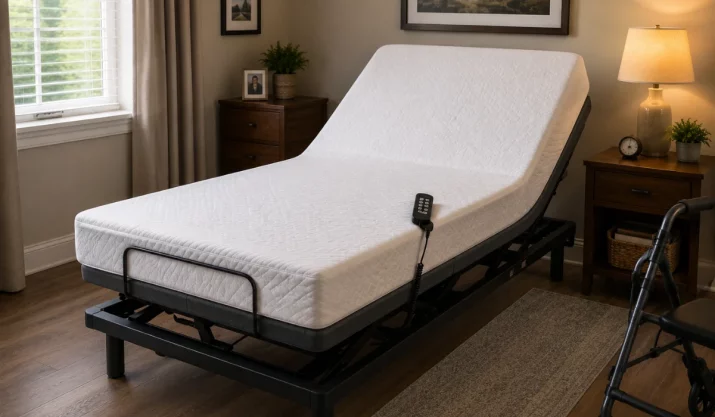
For an older adult or a person with limited mobility, that secure fit also reduces the need to bend, reach, and remake the bed. It is a small bedroom improvement, but small improvements matter when a home is being prepared for long-term use.
Adjustable Bedding as Part of an Accessible Bedroom
An accessible bedroom works best when each part of the room supports the person using it. Bed height, walking space, lighting, storage, and the route to the bathroom all affect daily comfort. An adjustable bed may help someone change position with less physical effort, but the bedding should not create another task each time the mattress moves.
Sheets that stay in place can be especially useful for people who have difficulty bending, reaching under a mattress, or pulling tight corners into place. Caregivers may also spend less time straightening loose fabric or remaking the bed after position changes.
The sheet itself is not a mobility product, and it does not replace professional advice about transfers or bedroom safety. It is one practical detail within a larger aging-in-place plan. California Mobility helps homeowners plan and address the bigger access challenges in the home, including stairs and movement between floors. Contact our team to discuss mobility options that can make movement through the home easier and more comfortable.