

Rollator vs Walker Guide for San Jose Seniors
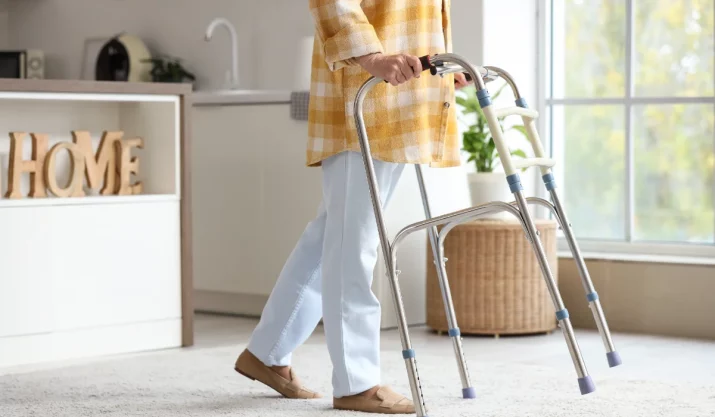
Table of Contents
Choosing between a rollator and a walker gets easier when you look at how each option works in your actual home.
For San Jose seniors, the right mobility aid should feel safe from the bedroom to the bathroom, through the kitchen, at the garage entry, and outside for appointments or errands.
This rollator vs walker guide focuses on balance, weight support, hand brakes, tight spaces, and whether a caregiver or loved one helps with daily movement.
Key Takeaways
- A standard walker gives stronger weight-bearing support and maximum stability for short indoor routes.
- A rollator helps with longer distances when the user can safely manage hand brakes, turning, and rest breaks.
- Home layout matters, especially in tight spaces, thresholds, stairs, flooring, and entry points.
- A mobility assessment can show whether the main issue is the walking aid, the home setup, or both.
Rollator vs Walker: Key Differences
A walker and a rollator do different jobs. One gives firmer weight-bearing support, while the other allows smoother movement when balance and brake control are strong enough.
Wheel Design and Movement
A standard walker has rubber tips on all four legs, so it stays in place until you lift and set it down again. A two-wheel walker has front wheels and rear tips, which can make each step easier without giving up as much control.
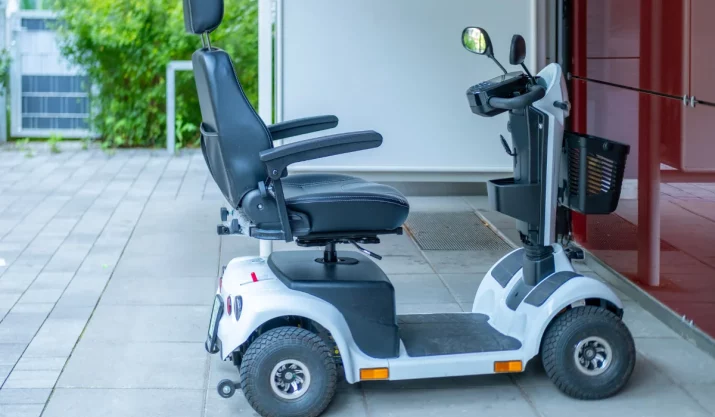
A rollator usually has four wheels, while three-wheel rollators and four-wheel rollators are built for easier maneuverability in open, smooth areas.
Weight Support and Stability
A standard walker is often the better type of walker when you need maximum stability or steady weight support. It can help when body weight needs to transfer through the frame after surgery, illness, or a drop in strength.
A rolling walker or standard rollator can steady your pace, but it is not made for heavy leaning or full weight-bearing use.
Brakes, Seat, and Accessories
A rollator uses hand brakes, so the user needs enough grip strength and judgment to stop, lock, and release the brake system safely.
Many models include a built-in seat, storage basket, cup holders, and larger wheels for outdoor use. Those features help during rest breaks, but only when the brakes are used correctly every time.
Folding and Transport
Most walking aids are foldable, but size and weight vary. A standard walker is often easier for a caregiver to lift into a car, while a 4-wheel rollator can take more space because of its wheels, seat, and frame.
Before buying, check the weight capacity, folded width, and where the device will be stored.
Home Access and Safety Factors
The best mobility aid is the one that works inside the home without creating new hazards. Small layout details matter when the same routes are used several times a day.
Doorways and Tight Spaces
Tight spaces can make a larger rollator hard to control near beds, bathrooms, kitchen tables, and hallway corners. A 3-wheel rollator may turn more easily than a 4-wheel rollator, but it gives less support and usually does not include a built-in seat.
In smaller rooms, traditional walkers may fit better because they move in shorter, more controlled steps.
Floors, Thresholds, and Transitions
Indoor use often means carpet edges, tile, area rugs, and small thresholds. Rubber tips help a standard walker stay steady, while front wheels can make a two-wheel walker easier to slide over minor transitions.
Rollators need clear floors because loose rugs, uneven terrain, or sudden bumps can raise the risk of falling.
Entries, Ramps, and Stairs
A rollator or walker can help once you are on a level surface, but it will not solve every access problem. A garage step, front entry, or stairway may still make daily routines difficult.
When the device fits the user, but the home does not, ramps, stair lifts, or home lifts may need to be part of the safer long-term plan.
Fit, Height, and Weight Capacity
A walker or rollator should be height-adjustable and matched to the user’s body size, posture, and weight capacity. Some people need a bariatric rollator, while others need a lighter standard walker that they can control without strain.
A physical therapist or healthcare provider can help confirm which option fits specific needs and different needs safely.
Best Fit for Daily Mobility
The right mobility aid should match how you move on a normal day. Short indoor trips, longer distances, and rest needs often point to different choices.
Short Indoor Trips
For short distances from a chair to the bathroom, bedroom, or kitchen, a standard walker often gives the safest control. It works well for balance issues because each placement creates a steady stopping point.
This choice fits people who move slowly and need stability more than speed.
Longer Distances Outside the Home
For longer distances, a rollator can reduce effort because the wheels keep the movement smoother. Larger wheels can help with outdoor use on sidewalks, parking lots, and medical office paths when the surface is even enough.
The user still needs a steady posture, safe turning, and reliable hand brakes.
Rest Breaks During Errands
A rollator with a built-in seat can help when someone needs to pause during errands, appointments, or family outings. The seat should only be used after the hand brakes are locked and the rollator is on a stable surface.
This feature is useful, but it should not replace proper balance or safe brake habits.
Specialty Options for Specific Needs
Some seniors do better with an upright walker that supports a taller posture, while others need a compact 3-wheel rollator for maneuverability. Four-wheel rollators are common, but they are not automatically the right mobility aid.
The best fit depends on body weight, grip strength, walking pace, balance, and caregiver support.
Schedule a San Jose Mobility Assessment
A rollator vs walker guide for San Jose seniors can help you compare the basics, but your home should shape the final decision. A device that feels fine in a store can still catch on a threshold, feel too wide in a bathroom, or leave a stair problem unsolved.
California Mobility can assess the routes you use every day, including bedrooms, bathrooms, kitchens, entries, garage steps, stairs, and floor transitions. The assessment can show whether a standard walker or rollator fits the next step.
For San Jose seniors comparing a rollator and a walker, the goal is safer movement without guessing. Schedule a mobility assessment with California Mobility to identify home barriers, review how your walking aids fit your routine, and choose the support that fits your daily life.