

Wheelchair vs Scooter Tips for San Francisco Seniors
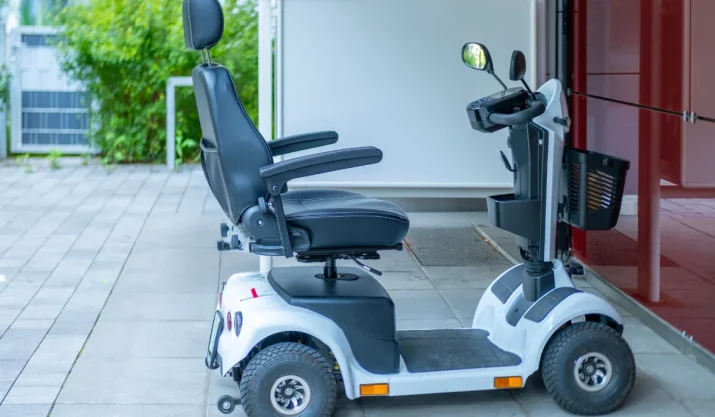
Table of Contents
Choosing between a wheelchair and a scooter in San Francisco comes down to where you move most often. You may need a mobility device that turns through a narrow hallway, fits in an home lift, handles trips to appointments, or works with public transport and vehicle access.
A mobility scooter can make some outdoor errands easier, especially for longer distances. Electric wheelchairs, power wheelchairs, and manual wheelchairs may fit better when indoor spaces, hills, upper body strength, or caregiver support are bigger concerns.
The right choice should feel steady, manageable, and realistic for your daily routine, not just comfortable during a quick test drive.
Key Takeaways
- A mobility scooter can help with outdoor use and longer distances, but it needs enough turning space at home, in home lifts, and near entries.
- Electric wheelchairs and power wheelchairs often offer better indoor maneuverability, joystick control, back support, and positioning for limited mobility.
- San Francisco homes, sidewalks, public transport, and shared building areas make measuring and test driving useful before choosing.
- Ramps, charging space, portability, vehicle access, and caregiver lifting limits should be reviewed before you commit to a mobility device.
Wheelchair vs Scooter Differences
The main differences show up in how you steer, turn, sit, travel, and store the mobility aid.
Control Style
A mobility scooter uses handlebars and a tiller, so it feels more like driving a small seated vehicle. Power wheelchairs usually use a joystick, which can help if your hands, wrists, shoulders, or upper body strength make handlebar steering tiring.
For many seniors, deciding between a mobility scooter and electric wheelchair starts with which control style feels safer during a test drive.
Turning Radius
Wheelchairs usually have a tighter turning radius than most scooters, especially mid-wheel drive or front-wheel drive models. That indoor maneuverability helps in narrow hallways, small kitchens, and tight bathroom approaches.
A three-wheel scooter can turn better than a four-wheel scooter, but even a compact scooter model often needs more room than a power chair.
Outdoor Use
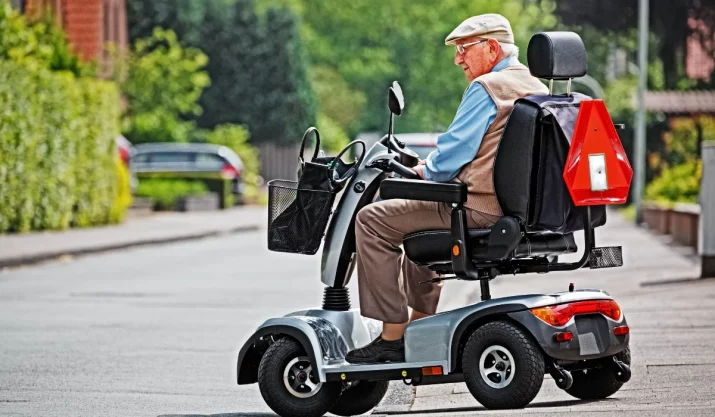
A mobility scooter can work well for outdoor use, long distances, and longer distances across flatter routes. Four-wheel and heavy-duty models may feel steadier than smaller scooters, though hills still require close attention to braking, battery-powered range, and rider control.
A test drive should include the sidewalk transitions and slopes you expect to use.
Seating and Support
Power wheelchairs often provide stronger back support, armrests, and positioning choices than basic scooters, including reclining options on some models. That can matter when limited mobility affects posture, fatigue, or pressure relief.
Manual wheelchairs may work for short indoor use, but self-propelled movement can take more upper-body strength than expected.
Portability
Scooters often offer better portability when they are foldable or built for disassembly. A caregiver may be able to load a lighter scooter into a trunk, depending on the pieces and vehicle height.
Power wheelchairs can be harder to lift, so vehicle lift planning should happen before you commit to the device.
Home and Transit Considerations
A good mobility solution should fit the places you use every day, not just an open showroom floor.
Indoor Spaces
Indoor spaces need real measurements before you buy. Check doorways, hallway turns, bedroom paths, kitchen clearance, and the place where the device will park.
Power chairs often handle tight spaces better, while scooters need enough room to turn, charge, and stay out of the way during indoor use.
Entries and Thresholds
A front step, raised threshold, garage lip, or uneven walkway can limit either mobility device. Ramps can help, but the length, landing area, door swing, and turning space all matter.
In many compact San Francisco homes, even a small entry change needs a plan that fits the property, the user, and the device.
Public Transport
Public transport works best when you can board, turn, stop, and park with confidence. A power wheelchair can offer controlled maneuverability in crowded areas because the joystick allows smaller movements.
A mobility scooter may still work well, but the tiller, brakes, and reverse control need to feel comfortable before you rely on it.
Home Lifts and Shared Areas
Home Lifts, lobby doors, laundry rooms, and shared garages can reveal fit problems fast.
A scooter that feels easy outdoors may feel awkward inside a small home lift. Power wheelchairs can be easier to position when neighbors, doors, or parked cars leave limited clearance.
Ramps and Vehicle Lift Needs
The device, home entry, and vehicle should be reviewed together so access does not become the next obstacle.
Ramp Fit
Ramps need to match the user, device weight, entry height, landing space, and daily path. A scooter may need more room at the top and bottom than a power chair because of its turning radius.
California Mobility provides ramps, and an access review can show whether a threshold ramp, a modular ramp, or a portable setup fits.
Vehicle Access
Vehicle access depends on weight, size, battery placement, and how often you travel.
A foldable scooter with disassembly may fit some vehicles, while heavy-duty scooters and power wheelchairs often need a vehicle lift or carrier. Before buying, confirm that the device fits the vehicle and the caregiver’s physical abilities.
Charging and Storage
Battery-powered equipment needs a dry, reachable charging area that does not block walkways or transfers. Storage can also affect daily use and warranties if the device is kept in poor conditions.
The setup should give you a clear place to park, charge, transfer, and move around without adding a fall risk.
Talk to a San Francisco Mobility Specialist
A San Francisco mobility specialist can look at your wheelchair or scooter choice alongside your home layout, outing habits, transit comfort, and vehicle access. That gives you a clearer answer than comparing features alone.
California Mobility can inspect your access points, identify where a mobility scooter or wheelchair may be difficult to use, and recommend the right next step.
For many seniors, that may mean ramps, better device planning, or a safer way to handle entries, transfers, and everyday outings before you buy equipment that does not fit your life or quality-of-life goals.