

Wheelchair Ramp Installation: Home Prep Checklist, Timeline, and What to Expect
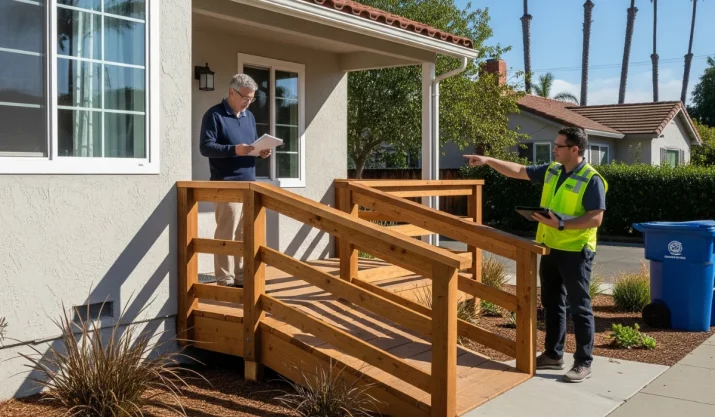
Table of Contents
- Key Takeaways
- Understanding the Wheelchair Ramp Installation Process
- How to Prepare Your Home for Ramp Installation
- Choosing the Right Type of Wheelchair Ramp
- ADA and California Accessibility Standards
- How Long Does Wheelchair Ramp Installation Take?
- Maintenance and Long-Term Durability
- Cost and Value of Professional Installation
- Making the Right Accessibility Choice for Your California Home
- FAQs
When mobility becomes more difficult, simple changes can make daily life safer and easier. Installing a wheelchair ramp is one of the simplest ways to help seniors and people with limited mobility enter and exit their homes safely.
Across California, wheelchair ramps and handicap ramps are common additions in both older homes and newer homes. Many families install ramps to meet ADA standards while preserving their home’s appearance. This guide explains what to expect. It covers preparation, professional installation, safety rules, and maintenance tips.
Before you begin, it helps to know how the process works. The process includes several steps. These include inspecting your entryway, selecting a ramp type, ensuring ADA compliance, and scheduling installation.
Key Takeaways
- Preparing for wheelchair ramp installation helps ensure the project goes smoothly and complies with ADA requirements.
- The installation timeline depends on the ramp type, materials used, and your home’s entry area.
- Aluminum wheelchair ramps offer a fast, durable, and cost-effective option for many California homes.
- Professional installers can customize ramps to comply with local safety and building codes.
Understanding the Wheelchair Ramp Installation Process
Wheelchair ramp installation begins with an in-home evaluation. A trained installer measures your entryway, assesses the ground surface, and confirms that the ramp design complies with ADA guidelines. These rules cover ramp slope, handrails, and landing size to support safe wheelchair use.
In California, many home ramps must comply with ADA standards, even when the home does not meet commercial ADA requirements. Following these safety rules helps older adults, wheelchair users, and visiting guests move safely.
A professional installer prepares the ground, installs the ramp, and adds safety features like slip-resistant surfaces and side rails. After installation, the installer tests the ramp to confirm safe slope and stability.
If you need help getting started, our team can review your home and provide professional ramp installation services across California.
How to Prepare Your Home for Ramp Installation
Before installation day, homeowners can prepare with a few simple steps. Start by clearing your entryway. Remove obstacles such as planters, benches, and loose steps. The area must stay level and wide enough to fit a ramp landing and handrails.
If you add an outdoor ramp, check that the ground drains well so water does not collect near the ramp. Older homes may require minor landscaping or concrete work to ensure a stable foundation.
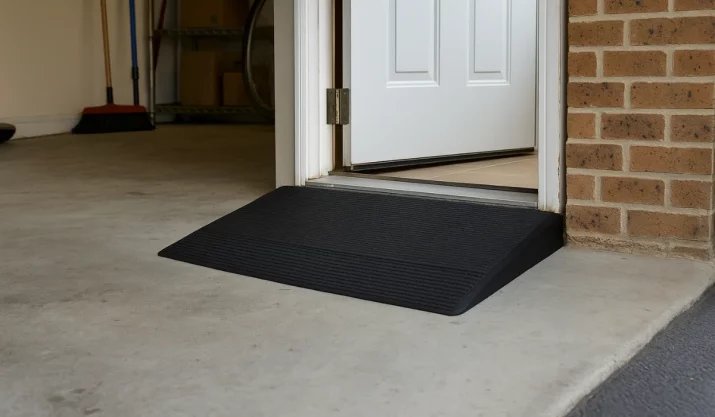
For indoor wheelchair or handicap ramps, such as threshold ramps, installers must take exact measurements. Even a small slope error can make a ramp harder to use or unsafe. A professional installer checks door clearance and swing direction to ensure compliance with ADA requirements.
Early preparation helps the installation move faster and prevents delays. We offer fast assessments and next-day scheduling for many aluminum wheelchair ramp installations across California.
Choosing the Right Type of Wheelchair Ramp
Not all wheelchair ramps work the same way. The best option depends on your home layout, mobility device, and how long you plan to use the ramp.
Permanent ramps, such as concrete or modular wheelchair ramps, work well for long-term use. These ramps last for years and require minimal maintenance. Aluminum wheelchair ramps are a popular choice because they are lightweight, non-slip, and weather-resistant, making them well-suited to California’s climate.
For renters or people recovering from injuries, portable ramps or ramp rentals offer a short-term solution. These ramps are easy to move and store while still meeting basic ADA safety rules.
Professional installers add handrails and safety edges to every wheelchair or handicap ramp. We install both permanent and temporary ramp options throughout the state.
ADA and California Accessibility Standards
The Americans with Disabilities Act (ADA) outlines specific requirements for wheelchair ramps, including maximum slope ratios and handrail height. In California, state building codes often mirror these ADA-compliant standards.
ADA guidelines require a 1:12 slope. A 1:12 slope means the ramp must extend 1 foot for every inch of height. Taller entrances need longer ramps. Handrails must be installed on both sides when a ramp rises more than 6 inches or extends longer than 6 feet.
To support long-term safety, ramps require slip-resistant surfaces and materials that withstand outdoor conditions. Our team installs ramps that meet or exceed both federal and state safety rules.
Working with trained installers helps ensure your ramp meets ADA requirements while complementing your home’s aesthetic.
How Long Does Wheelchair Ramp Installation Take?
Installation time depends on the ramp type, materials, and site conditions. Modular aluminum wheelchair ramps often take one day to install after the site check.
Concrete and wood ramps take longer because they need curing time or custom cutting. Most full installations take one to three days, with extra time for inspection and cleanup.
After installation, our installer reviews safety procedures and demonstrates proper ramp use. Regular checks help the ramp stay safe and sturdy.
For fast service, we offer quick scheduling and next-day installations in many areas across California.
Maintenance and Long-Term Durability
Routine care helps extend the life of your ramp. Check for debris, corrosion, or loose bolts, especially after storms or heavy use. Aluminum wheelchair ramps are highly durable and rust-resistant, an advantage in coastal California, where moisture can be an issue.
For wooden ramps, periodic sealing helps prevent weather damage. Concrete ramps, while sturdy, may need occasional cleaning to maintain traction. Adding handrails or replacing worn slip-resistant strips can further improve safety for wheelchair users.
Professional installation typically includes a manufacturer’s warranty, ensuring your ramp remains safe and reliable for years to come.
Cost and Value of Professional Installation
Some homeowners think about installing a ramp themselves. Professional installation offers better safety and accuracy. An incorrect slope or weak anchoring can create serious risks. Licensed installers comply with ADA requirements and fit the ramp to your exact space.
Professionally installed ramps can increase home value and support long-term independence. The cost of a wheelchair ramp depends on materials, layout, and regional labor costs. Aluminum and modular wheelchair ramps are among the most cost-effective and high-quality options, combining strength and convenience.
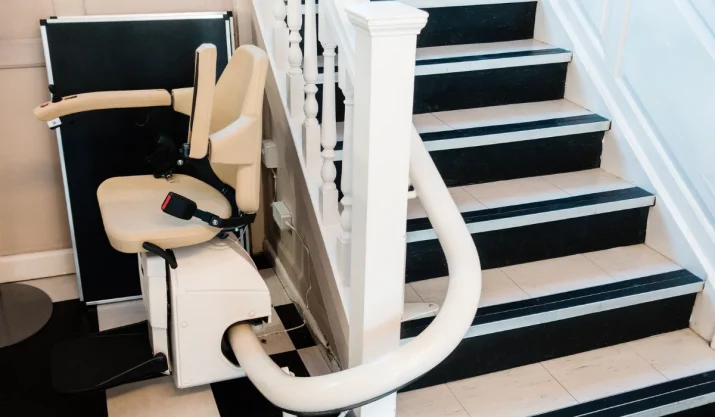
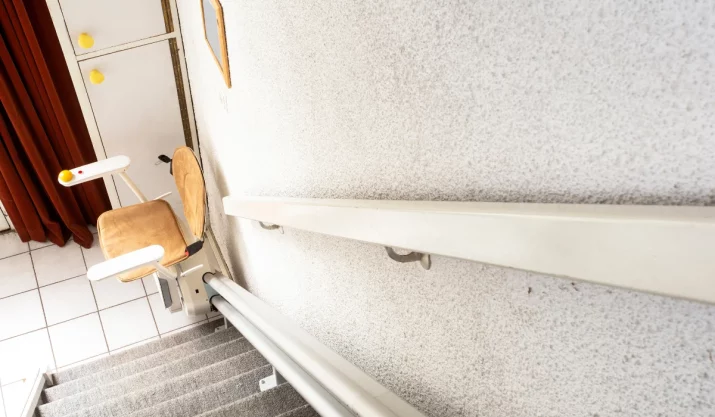
Choosing an experienced accessibility company helps you get reliable results. We provide ADA-compliant solutions for California homes, including wheelchair ramps, handicap ramps, and stair lifts.
Making the Right Accessibility Choice for Your California Home
Improving home accessibility is an investment in comfort, safety, and independence. Wheelchair ramp installation can transform how you or your loved ones move through your home, offering freedom and security with every use.
Whether you need a short-term ramp or a permanent solution, professional installation ensures compliance, durability, and peace of mind. At California Mobility, our accessibility experts specialize in ADA-compliant ramps, stair lifts, and other mobility solutions that make living at home easier and safer.
Contact us today or request a free quote. Our team can help you choose the right wheelchair or handicap ramp, and handle your installation quickly and professionally.