

Wheelchair Lift vs Vertical Platform Lift vs Home Lift: Which Works Best at Home?
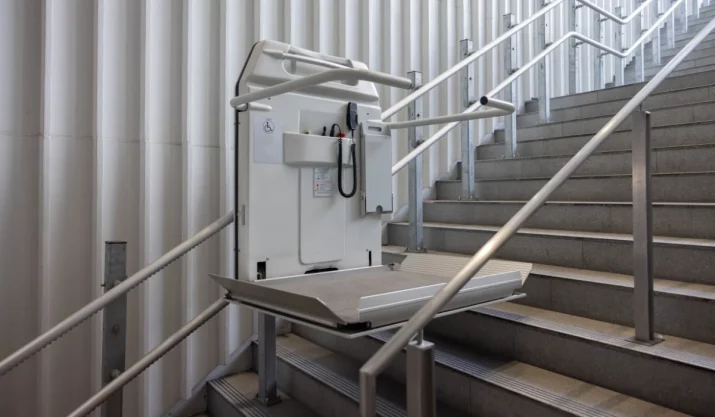
Table of Contents
- Key Takeaways
- Understanding Wheelchair Lifts and Their Uses
- What Makes a Vertical Platform Lift Different?
- The Role of Home Lifts in Residential Accessibility
- Functionality, Space, and Accessibility Considerations
- Safety Features and ADA Compliance
- Making the Right Accessibility Choice for Your California Home
- FAQs
Navigating between floors can become more difficult as mobility changes. Stairs may no longer feel safe or practical. Many homeowners face this issue after surgery or injury, or when planning to stay in their home long term.
Several home accessibility options can help. The most common choices include a wheelchair lift, a vertical platform lift, or a Home Lift. Each option serves a different purpose and fits different homes.
This guide compares wheelchair lifts, vertical platform lifts, and Home Lifts to help you choose the best option for your home.
Key Takeaways
- A wheelchair lift is best suited to short vertical travel in small spaces such as porches or garages.
- A vertical platform lift offers ADA-compliant access between levels at a lower cost than a full home lift.
- Home Lifts provide smooth travel and support long-term use in multi-level homes.
- The right choice depends on your home layout, mobility needs, and plans.
Understanding Wheelchair Lifts and Their Uses
A wheelchair lift moves a person a short distance straight up and down, such as from a driveway to a porch. It works well in small spaces where a ramp cannot fit. Many homes with steep entries or raised foundations use wheelchair lifts to save space.
Many people call this type of lift a porch lift. It includes safety features like enclosed platforms, stop buttons, and handrails. This lift meets ADA standards and supports scooters, power wheelchairs, and other mobility devices.
Most homeowners install wheelchair lifts outdoors for short distances, though some place them indoors. Public buildings also use wheelchair lifts when a full home lift is not needed.
Homeowners who want better access without major construction often choose ADA-compliant wheelchair lifts designed for California conditions.
What Makes a Vertical Platform Lift Different?
A vertical platform lift (VPL) bridges the gap between a wheelchair lift and a Home Lift. It offers multi-level access without requiring a full hoistway or extensive renovations. Designed for both indoor and outdoor residential use, a VPL delivers smooth vertical travel up to about 14 feet, depending on the model.
VPLs allow wheelchair users to stay in their chairs during travel. Unlike inclined platform lifts that follow stairs, a VPL moves straight up and down.
These lifts focus on safe and simple operation. Most VPLs include stop buttons, platform gates, and battery backups. Because VPLs meet ADA standards, homes and small public buildings often use them instead of full home lifts.
The Role of Home Lifts in Residential Accessibility
Home lift move people smoothly between floors. They work well for homeowners who plan to stay in their homes long term. Unlike lifts, Home Lifts use enclosed cabins that travel inside a shaft or compact system.
Homeowners can customize residential home lifts to fit their space. Some models fit small spaces, while others hold a wheelchair and another person. Home Lifts also support more weight than most lifts.
Home Lifts cost more at first but support daily use in multi-level homes across California.
Functionality, Space, and Accessibility Considerations
When choosing between a wheelchair lift, a vertical platform lift, or a Home Lift, think about your space and mobility needs.
A wheelchair lift is installed with little construction and fits near an entryway or porch. A VPL requires more space than a wheelchair lift but does not require a full shaft, making it possible to install a vertical platform lift in tight spaces in many homes with limited layouts. A Home Lift usually needs a shaft, though some models save space.
For short travel or outdoor access, a porch lift or VPL works well. For multi-level homes, a full home lift supports daily use. Many homeowners choose home lifts for comfort, while VPLs are suitable for homes with limited space.
Professionals can review your home layout and suggest the safest lift or home lift option.
Safety Features and ADA Compliance
Safety should always come first when choosing any lift or home lift. Modern mobility systems, including wheelchair lifts, VPLs, and Home Lifts, include safety features that follow California building codes, ADA requirements, and vertical platform lift regulations and safety standards in California.
Common safety features include enclosed sides, emergency stop buttons, and battery backups that allow continued use during power outages. Both vertical platform lifts and Home Lifts follow strict ADA guidelines for platform size, weight capacity, and accessibility.
An inclined platform lift or porch lift installed outdoors must also withstand weather and meet California’s strict seismic safety standards. These systems provide long-term durability and allow wheelchair users and family members to move safely between levels.
Making the Right Accessibility Choice for Your California Home
Choosing between a wheelchair lift, VPL, and Home Lift depends on your home’s layout, mobility challenges, and long-term plans.
If you want a quick outdoor-access solution that saves space, a wheelchair or porch lift is a good fit. For higher vertical travel or indoor access between levels, a vertical platform lift combines safety and efficiency. And if you’re planning for aging in place or multi-level living, a Home Lift offers lasting comfort, safety, and convenience.
At California Mobility, we help homeowners throughout the state find the proper mobility solutions for residential use, balancing functionality, design, and affordability.
Contact us today or request a free quote. Whether you need a porch lift, inclined platform lift, or full residential home lift, our experts will guide you through every step of installation and upgrades.