

Will a Stair Lift Fit? A Quick Space Check + Photos to Take Before You Call
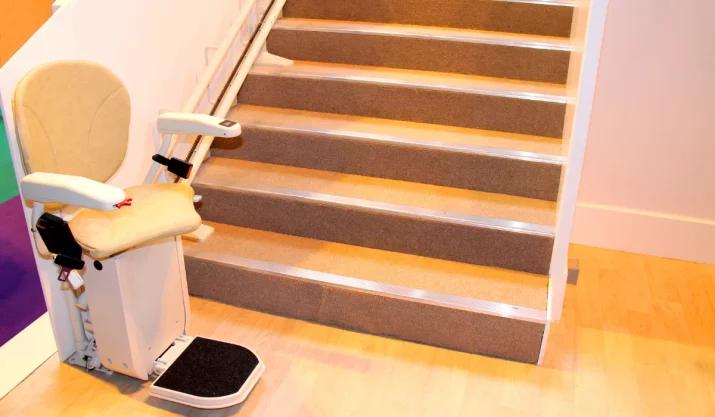
Table of Contents
- Key Takeaways
- How to Know If a Stair Lift Will Fit
- Photos to Take Before You Call
- Measuring the Space: What Matters Most
- Choosing the Right Type of Stairlift
- What to Expect During the Installation Process
- Preparing for Your Home Assessment
- Making the Right Stair Lift Choice for Your California Home
- FAQs
If you are asking, “Will a stair lift fit in my home?” you are not alone. Many California homeowners with narrow stairs or tight turns ask this before requesting a quote. A quick space check saves time and helps you prepare for a home assessment.
Most homes can fit a stair lift, including those with straight stairs, curved staircases, or outdoor steps. The key is identifying your staircase type and knowing which photos to take before calling a mobility expert.
This guide explains how to check your space, the stairlift types available, and what installers need to give accurate estimates.
Key Takeaways
- Most homes can fit a stair lift with the correct rail system and measurements.
- Clear photos of the top and bottom of the stairs help installers choose the right model.
- Straight and curved stairlifts offer options for different mobility needs.
- California Mobility provides free home assessments and professional installation across California.
How to Know If a Stair Lift Will Fit
The first step is identifying the type of staircase in your home. Many California homes have straight staircases, which work well with standard straight stairlifts. If your stairs turn, include landings, or curve, you will need a custom rail.
A simple way to check is to look from the bottom of the stairs to the top. If you can trace a straight line without interruption, your stairs are straight. If the path turns, you’ll need a curved stairlift for a curved staircase.
Even narrow staircases can support a stairlift. Modern stairlifts use folding rails, footrests, and armrests to save space when not in use.
When you’re ready for your home assessment, we can measure your stair treads and help identify the most cost-effective solution for your layout. You can also visit a nearby showroom to explore our selection of stair lifts and see how different models operate before making your choice.
Photos to Take Before You Call
Before scheduling stairlift installation, take a few clear photos to help installers understand your space. Take one picture from the bottom of the stairs, looking up, and one from the top, looking down.
Include photos of:
- Installers use photos of the top and bottom of the stairs to plan the rail system.
- Doors, handrails, or walls near the stairs.
- Any landings or turns on the stairs.
- The floor space where the chair lift will park.
These photos help installers recommend the correct stairlift and plan installations more quickly. During the consultation, our specialist confirms all measurements during an in-person visit.
If you are unsure about photo angles, the team can guide you by phone or email. You can also visit a showroom to see how the seat folds and swivels for safe use.
Measuring the Space: What Matters Most
When checking if a stair lift will fit, the key stair lift space requirements include the width of your stairs, head clearance, and available landing space.
Stair lift costs vary based on factors such as staircase configuration, installation complexity, and optional features, which is why accurate measurements matter early in the process.
Most straight rail systems need a stair width of about 29 inches. If your stairs are narrower, slimmer stairlift designs may still meet safety standards.
At the top of the stairs, there must be enough room for the swivel seat to turn safely. At the bottom, there must be open floor space so the seat can park without blocking doors or walkways.
The installer also checks stair treads, electrical outlets, and flooring materials for a smooth installation. Our home assessment includes these checks at no cost and confirms proper stairlift fit and safety.
Choosing the Right Type of Stairlift
Selecting the right stairlift starts with understanding the different types available. Straight stairlifts are ideal for simple, uninterrupted staircases, while curved stairlifts use a custom rail that matches the shape of your staircase.
According to the National Council on Aging (NCOA), the right stairlift depends on the type of staircase, available space, and the user’s mobility and safety needs.
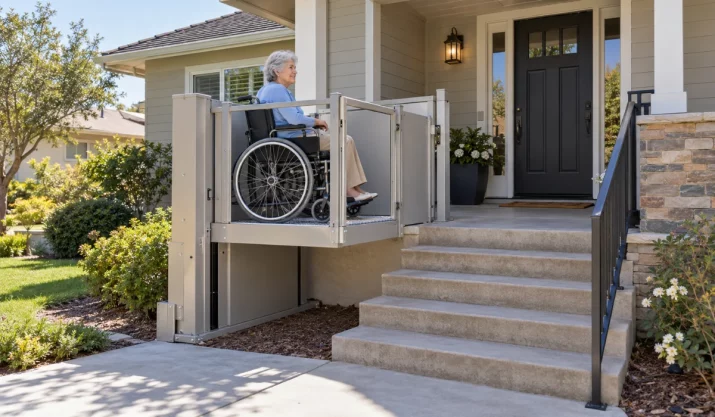
For outdoor steps, choose outdoor stairlifts built to handle weather and temperature changes.
Each stairlift includes safety features such as a seat belt, remote control, and a swivel seat. Some models also include adjustable armrests, folding footrests, and padded seats.
Brands like Bruno and Access BDD offer stairlifts with strong warranty coverage and tested weight limits. You can visit a showroom to compare seat heights and rail systems in person.
What to Expect During the Installation Process
After you choose a stairlift, installation begins. Professional installation secures the rail, supports smooth operation, and checks safety features.
Installers complete most straight stairlifts in a few hours, while curved models take longer due to custom rails. The installer tests the remote, footrest, and swivel seat for proper operation.
After installation, you receive a demonstration on safe stairlift use, including during power outages. Each installation includes warranty coverage and support from local technicians.
Preparing for Your Home Assessment
The free home assessment is the final step before installation. A specialist measures your stairs, reviews mobility needs, and explains cost options.
This is also a good time to ask questions, such as:
- What type of staircase do I have?
- Can a stair lift fit narrow stairs?
- What does my warranty cover?
Sharing photos and measurements early helps keep the process smooth and cost-effective. At California Mobility, we serve homeowners across Los Angeles, San Diego, Sacramento, and nearby areas with same-week appointments available. Specialists may suggest bringing a loved one so everyone understands how the lift works.
Making the Right Stair Lift Choice for Your California Home
Choosing a stair lift comes down to finding an option that fits your home and supports your daily movement up and down the stairs. With the proper guidance, the process can feel straightforward and manageable.
At California Mobility, we work with homeowners across the state to help match stair layouts with the right lift options based on individual needs.
Contact us today to get started and take the next step toward a safer, more accessible home.