

Stair Lift Planning for Parkinson’s in San Jose Homes
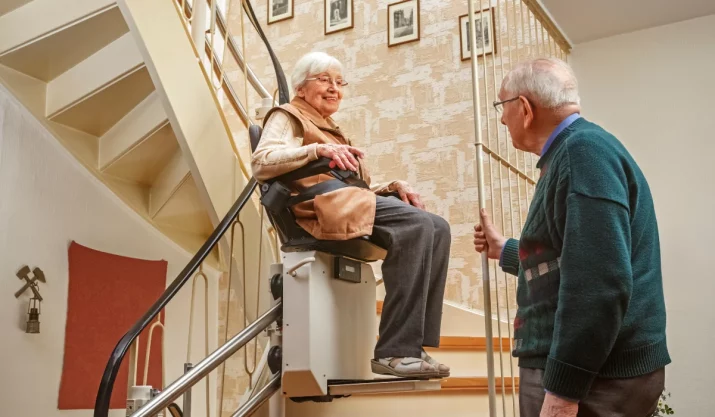
Table of Contents
Parkinson’s disease can make climbing stairs feel unsafe. Tremors, balance issues, and stiffness often lead to mobility challenges that affect daily life in many San Jose homes.
A stairlift is often a life-changing option. It helps you move safely between floors, reduces the risk of falls, and supports aging in place. For many families, this type of home modification improves well-being and quality of life.
This guide shows how to choose the right stairlift, what to check in your home, and which features matter most before installing a stair lift.
Key Takeaways
- A stairlift helps reduce the risk of falls and supports safer daily activities at home.
- Straight stairlifts and curved stair lift systems depend on your staircase layout.
- Comfort features like a swivel seat, armrest, and footrest improve ease of use.
- An in-home assessment helps you choose the right stairlift for long-term needs.
Planning a Stair Lift for Parkinson’s
When planning a stairlift for Parkinson’s disease, think about both current and future needs. Symptoms can change, so the setup should support long-term safety and comfort.
Understanding Mobility Changes From Parkinson’s Disease
Parkinson’s disease affects movement, coordination, and muscle control. These changes make climbing stairs harder and increase the risk of falls.
Many San Jose homeowners live in multi-level homes. Without the right mobility aids, reaching key areas like bedrooms or laundry rooms becomes difficult. A stairlift lets you stay in your own home and continue daily activities with more confidence.
Planning With Caregivers and Medical Professionals
A caregiver or family member often helps with daily routines and can guide you toward a stairlift setup that supports safe transfers and use.
You can also consult occupational therapists and physical therapists. These professionals understand mobility devices and medical equipment and can suggest options that support your daily activities.
People with disabilities, including those with Parkinson’s disease or multiple sclerosis, often benefit from stairlifts and other mobility devices that improve safety at home.
Choosing Between Straight or Curved Stair Lifts
Your staircase design will determine the type of stairlift you need.
Straight stairlifts are ideal for stairs without turns. They are common in many homes and typically allow simpler stair lift installation.
A curved stair lift works for stairs with turns or landings. These systems are custom-built, so you need careful planning for the right fit.
Staircase and Home Fit Checklist
Before installing a stairlift, you need to confirm your home is ready. This step helps the system work safely and fit your space.
Staircase Width and Structure
Most stairlifts need enough width to operate safely. The rail attaches to the stairs, so the structure must be strong.
An in-home assessment helps confirm measurements and ensures the stairlift will fit your layout.
Landing Space and Entry Points
Safe entry and exit are key. A swivel seat allows you to step off without twisting, which is helpful for tremors and balance issues.
This feature supports safe movement for both the user and any nearby caregiver.
Indoor and Outdoor Staircases
Some homes include outdoor steps. Outdoor stairlifts are designed for weather exposure, though features and durability can vary by model.
Adding both indoor and outdoor stairlifts improves access throughout your property.
Alternative Accessibility Equipment
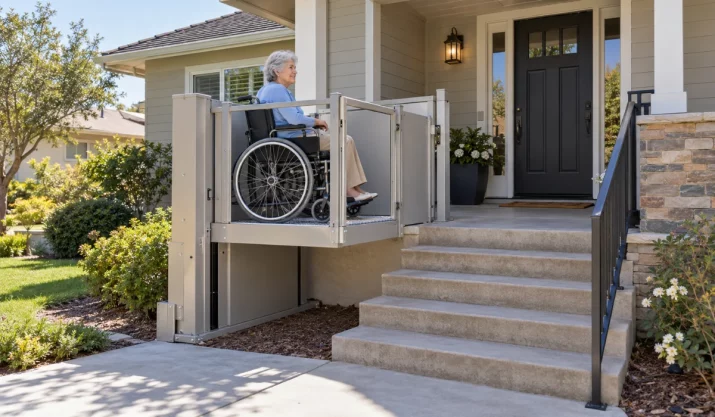
Some households combine stairlifts with other mobility aids. A platform lift, for example, helps wheelchair users move between levels.
These home modifications create a safer environment for a loved one or family member with changing mobility needs.
Comfort and Control Options to Consider
Modern stairlifts include features that improve comfort, safety, and ease of use for people with Parkinson’s disease.
Seat Design and Arm Support
A supportive seat with a padded armrest helps you stay stable. It is especially helpful if you experience tremors or stiffness.
High-quality designs focus on comfort while improving safety during transfers.
Footrests and Leg Positioning
A footrest keeps your feet steady during travel. It reduces strain and improves comfort.
Foldable footrests also keep the staircase clear for others when the stairlift is not in use.
Safety Sensors and Seat Belts
Safety features are essential for any stairlift. Safety sensors detect obstacles and stop the lift if needed.
Seat belts help keep you secure during movement. These features provide peace of mind for both users and caregivers.
Controls Designed for Ease of Use
Simple controls are important for anyone with mobility challenges. Many systems offer large buttons or smooth controls that are easy to operate.
Remote controls allow you to call the stairlift when needed, improving convenience in shared homes.
Schedule an In-Home Stair Lift Assessment
If climbing stairs feels difficult or unsafe, a stairlift can make daily life easier. It keeps you independent and living safely in your home.
At California Mobility, we provide stair lift installation and other mobility aids for homeowners across California.
Contact us today to schedule your in-home assessment and find a stairlift solution that fits your home and mobility needs.