

Stair lift options for one-handed use in San Jose
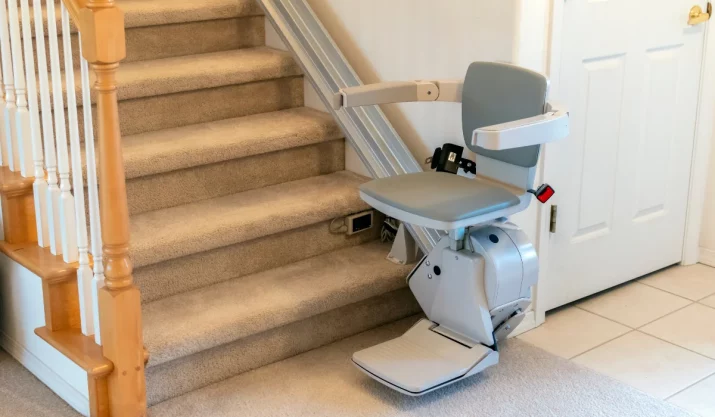
Table of Contents
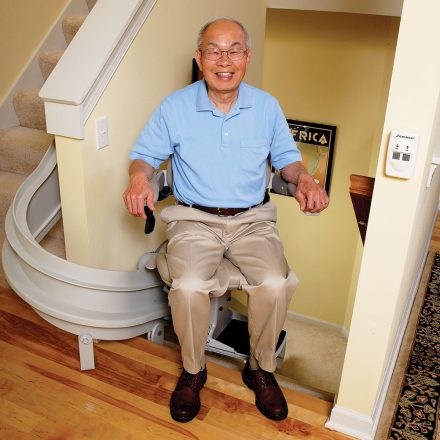
If you or someone you love has limited hand function, weakness on one side, or has had a stroke, finding a stair lift for one handed use can feel overwhelming — but the right options do exist. Many modern stair lifts are built with exactly this in mind, and San Jose homeowners have a range of choices that work with split-level homes, Victorian-era stairs, and everything in between. This guide breaks down what to look for so you can make a confident decision.
Key Takeaways
- Most quality stair lifts can be adapted for one-handed use through joystick controls, remote controls, or palm-operated levers
- The type of control matters more than the brand — look for controls that match the user’s stronger or more functional hand
- San Jose’s mix of older multi-story homes and newer split-levels means many properties are well-suited for stairlift installation
- A home assessment from a trained installer is the best way to match the right lift to both the staircase and the user’s specific needs
Why One-Handed Use Changes What to Look For in a Stair Lift
A standard stair lift might come with a toggle switch or a small joystick on the armrest. For most people, that works fine. But if someone has had a stroke, lives with hemiplegia, has lost the use of one hand, or simply has significantly more strength on one side, the placement and type of that control becomes critical.
The good news is that most reputable stair lift brands offer flexible control options. The key is knowing which features to ask about before you buy.
Joystick Controls
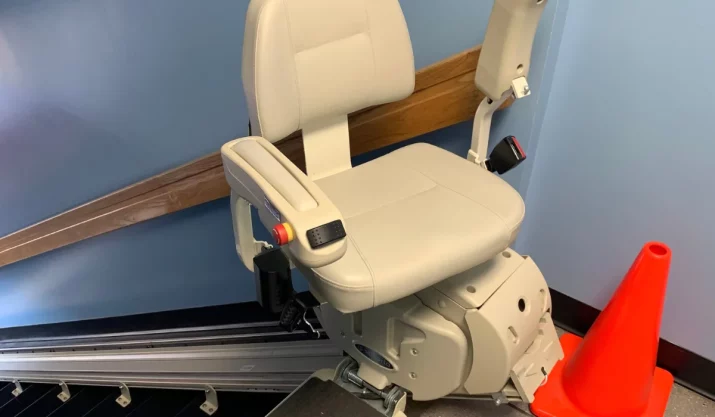
A joystick is one of the most popular control options for people with limited hand function. Instead of pressing and holding a button, the user pushes or pulls a short lever to move the lift up or down.
Joystick controls can often be mounted on either armrest — left or right — depending on which hand works best for the user. That flexibility alone makes a big difference for someone recovering from a stroke or managing weakness on one side of the body.
Palm-Operated Levers and Paddle Controls
Some lifts use a flat paddle or lever that the user presses with the palm of their hand rather than their fingers. This can be helpful for people who have limited grip strength but still have reasonable arm function.
These controls are worth asking about specifically when you’re shopping, because not every dealer stocks every configuration. California Mobility works with several leading brands and can walk you through what’s available for your situation.
Remote Controls
Most modern stair lifts come with a small handheld remote that calls the lift to your floor. For someone using a lift independently — or with occasional help from a caregiver — the remote means the user doesn’t have to physically operate the armrest control at all.
Some users prefer to start the lift from a standing position using the remote, then sit down and ride with their stronger hand resting on the armrest lever. It’s a small workaround, but it works well for many people.
What to Think About for San Jose Homes Specifically
San Jose has a lot of two-story tract homes built in the 1960s and 70s, along with older Craftsman and Victorian properties in neighborhoods like Willow Glen and Naglee Park. Many of these homes have straight staircases, which are the easiest and most affordable to fit with a stairlift.
Split-level homes — which are common in the Almaden Valley and Cambrian Park areas — sometimes have shorter stair runs between levels. Shorter staircases can still accommodate a lift, though the model selection may be slightly different.
San Jose’s mild climate means outdoor stairlifts are also a practical option for homes with exterior steps leading to an entry door or a hillside backyard. If outdoor stairs are the barrier, an outdoor stairlift rated for weather and UV exposure is worth considering alongside any interior solution.
For multi-story homes where a stairlift feels like too much of a change, a home lift or home lift may be worth exploring. These tend to require more structural work, but they offer a different kind of access that some families prefer.
Questions to Ask Before You Buy
Before committing to a stairlift for one-handed use, it helps to think through a few practical things.
Which hand is stronger or more functional? Make sure the control can be mounted on that side. Ask the dealer directly — don’t assume it comes standard on both sides.
Does the user have grip strength? If grip is limited, a paddle or palm control will likely work better than a traditional joystick or toggle. A push-button remote can reduce how much hand control is needed during the actual ride.
Is the staircase straight or curved? Curved staircases require a custom-built rail and take a bit longer to manufacture and install. Indoor stairlifts are available for both, but the cost and lead time differ.
Will a caregiver also be using the lift? If so, make sure the controls are comfortable for more than one person. A remote that calls the lift back to a landing is useful when two people share a home with different mobility needs.
Other Mobility Options Worth Knowing About
A stairlift is often the right fit, but it isn’t the only solution. Depending on the layout of your home and the level of support needed, other options may work better or alongside a lift.
Vertical platform lifts are a good alternative when someone uses a wheelchair or scooter, because the user doesn’t need to transfer in and out of a seat. They work well for porch entries and raised foundations, which are common in older San Jose neighborhoods.
Ramps can solve access issues at single-step entries or gradual elevation changes without any motorized equipment at all. They’re low-cost and easy to install, and they work for people who can walk but need a gentler transition.
Getting the right setup starts with seeing the space in person. California Mobility offers free in-home assessments across the San Jose area, and an installer who understands both the equipment and the user’s specific needs can save you a lot of guesswork.
Ready to find the right stairlift for your situation? Request a free quote online or call us directly at (916) 560-0607. We’re a family-owned company and we take the time to make sure the equipment we recommend actually fits your home and your life.
Frequently Asked Questions
Can a stair lift be set up for left-handed or right-handed use? Yes. Most stair lift models allow the main control — whether a joystick, paddle, or toggle — to be mounted on either armrest. When you request an assessment, let the installer know which hand is stronger or more functional so they can configure the lift accordingly from the start.
Are there stair lifts that don’t require much hand use at all? Some users with very limited hand function operate their lift primarily through a remote control, which calls the lift to their floor. Once seated, minimal hand contact is needed to operate the armrest control during the ride. An installer can help identify models where the ride controls require the least grip or pressure.
How long does it take to install a stair lift in a San Jose home? For a straight staircase, installation typically takes a few hours in a single visit. Curved stairlifts require a custom rail, so there’s usually a lead time of a few weeks between the measurement appointment and installation day. Your installer will give you a clear timeline during the assessment.
Does California Mobility serve all of San Jose and the surrounding area? Yes. California Mobility serves San Jose and communities throughout the Bay Area and greater California. If you’re not sure whether your address falls within the service area, the easiest thing to do is call (916) 560-0607 or fill out the quote form online — the team will confirm coverage and schedule a time to come out.