

How to prevent corrosion on outdoor stair lifts in San Diego
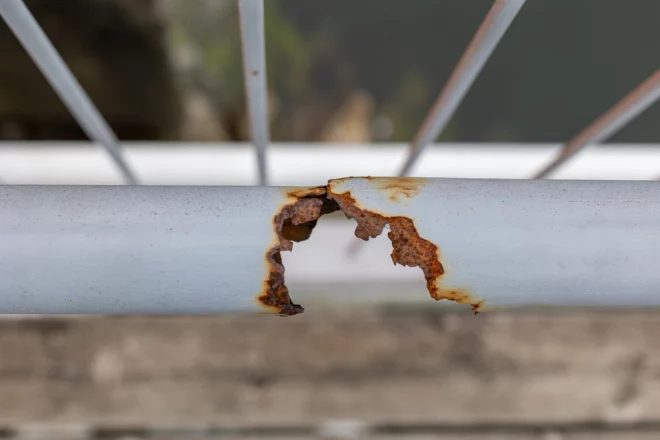
Table of Contents
- Why San Diego's Climate Is Hard on Outdoor Stair Lifts
- Start With the Right Outdoor Stair Lift
- Outdoor Stair Lift Corrosion Prevention: A Practical Maintenance Routine
- When to Call a Professional
- A Note on Installation Location
- Other Mobility Options Worth Knowing About
- Ready to Talk Through Your Options?
- Frequently Asked Questions
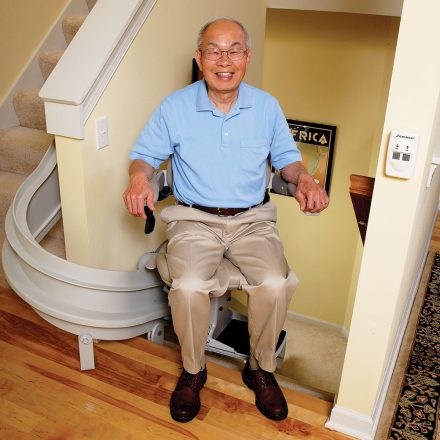
San Diego’s sunny weather is one of its best features, but the salt air, morning marine layer, and coastal humidity can quietly eat away at metal surfaces — including outdoor stair lifts. Outdoor stair lift corrosion prevention isn’t a one-time task; it’s an ongoing habit that protects your investment and keeps the lift running safely for years. The good news is that with the right equipment and a little regular attention, rust and corrosion are very manageable.
Key Takeaways
- Salt air and coastal humidity in San Diego make corrosion a real concern for outdoor stair lifts, especially within a few miles of the coast.
- Choosing a lift specifically built for outdoor use — with marine-grade or powder-coated components — is the most important first step.
- Regular cleaning, lubrication, and cover use will extend the life of your lift significantly.
- Annual professional inspections catch early corrosion before it becomes a safety problem or an expensive repair.
Why San Diego’s Climate Is Hard on Outdoor Stair Lifts
San Diego feels mild, but it’s tough on metal hardware. Neighborhoods like La Jolla, Ocean Beach, Pacific Beach, and Coronado sit right on the coast, where salt particles in the air settle on every exposed surface.
Even inland areas like Mission Hills, North Park, and Normal Heights get marine layer most mornings from June through September. That daily cycle of moisture and drying accelerates oxidation on metal tracks, drive systems, and fasteners.
Add in UV exposure from roughly 266 sunny days a year, and you have conditions that break down protective coatings faster than most other California climates. Stair lifts that might last 10–15 years in a dry inland climate can show significant wear in half that time near the coast without proper care.
Start With the Right Outdoor Stair Lift
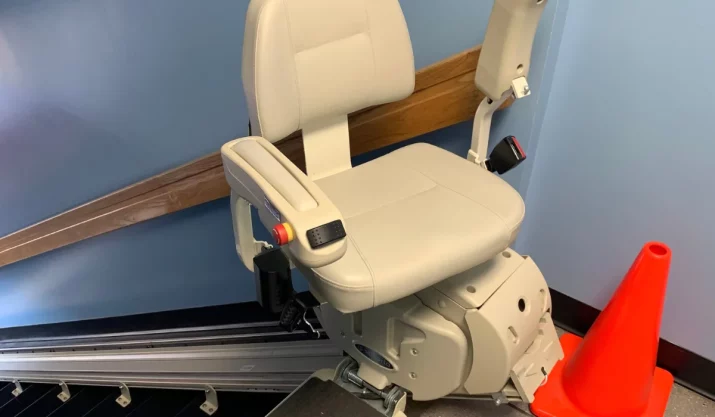
The single best thing you can do is choose a lift that was designed for outdoor use in the first place. Outdoor stairlifts are built differently than their indoor counterparts — they use weather-resistant materials, sealed electronics, and protective coatings that standard indoor models simply don’t have.
Look for these features when shopping:
- Powder-coated or anodized aluminum rails — These resist rust far better than bare steel.
- Sealed motor and electronics housing — Keeps moisture out of the components that matter most.
- Stainless steel or corrosion-resistant fasteners — Small bolts and screws are often where rust starts first.
- UV-resistant seat and armrests — Plastic and vinyl degrade quickly in direct San Diego sun without UV stabilizers.
If you’re still comparing options, the California Mobility team can help you sort through what’s available for your specific staircase and location.
Outdoor Stair Lift Corrosion Prevention: A Practical Maintenance Routine
Buying the right lift gets you halfway there. Keeping up with maintenance handles the rest. You don’t need special tools or technical skills — just consistency.
Wipe Down the Rail and Carriage Regularly
Use a dry or slightly damp cloth to wipe down the rail, carriage, and seat once or twice a month. In coastal neighborhoods, salty residue builds up faster than you’d expect.
Avoid harsh cleaners or bleach — they strip protective coatings and actually speed up corrosion. A mild soap-and-water solution is all you need.
Apply a Protective Lubricant to the Rail
Most outdoor stair lifts have a rack-and-pinion drive system along the rail. This needs a light lubricant to run smoothly and to protect against moisture.
Ask your installer which lubricant is approved for your specific model — using the wrong product can attract dirt or damage seals. For most San Diego homeowners, applying lubricant two to four times a year is enough.
Use a Weather Cover When the Lift Isn’t in Use
A good UV- and water-resistant cover is cheap insurance. It shields the seat, controls, and carriage from sun, dew, and the occasional San Diego rain.
Many outdoor lift manufacturers offer covers made to fit their models exactly. If yours didn’t come with one, aftermarket options work fine — just make sure it’s breathable to prevent moisture from getting trapped underneath.
Inspect Fasteners and Brackets Once a Year
Bolts, mounting brackets, and rail joints are common spots for surface rust to start. Once a year, take a close look at all visible hardware.
Light surface rust on a fastener isn’t an emergency, but it’s a sign to act. A marine-grade anti-corrosion spray on exposed fasteners can stop the spread. If you see deep pitting or rusted-through hardware, call a technician.
When to Call a Professional
Some maintenance tasks are easy to do yourself. Others really need a trained eye. An annual service visit from a qualified technician is worth scheduling even if the lift seems to be running fine.
Technicians can check internal components — the motor, drive system, and wiring — that aren’t visible from the outside. Catching a corroded contact or a worn seal early costs far less than replacing a motor or rewiring a control board.
If your lift is showing signs of sluggish movement, unusual sounds, or error codes, don’t wait for the annual visit. These can be early signs that moisture has gotten into the drive system or electronics.
A Note on Installation Location
Where your lift is mounted on your home matters too. If you have any flexibility in routing the rail, positioning it on a wall or under an eave that gets natural shelter from ocean breezes can reduce exposure meaningfully.
Your installer should also use a marine-grade or exterior-rated sealant wherever the rail brackets attach to your home. This prevents water from seeping into the mounting points, which is one of the more common — and more damaging — corrosion spots.
Other Mobility Options Worth Knowing About
If your outdoor access situation is more complex — or if you’re also thinking about getting around inside the home — California Mobility offers a range of solutions beyond stair lifts. Vertical platform lifts are a good option for larger elevation changes, and ramps can handle low-rise entries. For indoor access between floors, take a look at indoor stairlifts or Home Lifts.
Ready to Talk Through Your Options?
California Mobility is a family-owned company that has been helping Californians stay safe and independent at home for years. We serve San Diego and communities throughout the state.
To get started, request a free quote online or give us a call at (916) 560-0607. We’re happy to answer questions, talk through what’s right for your home, and connect you with a local installer who knows San Diego conditions.
Frequently Asked Questions
How quickly does salt air cause corrosion on outdoor stair lifts? It depends on how close you are to the water and how often you maintain the lift. Homeowners within a mile or two of the coast — places like La Jolla Shores or Point Loma — may see surface rust on unprotected hardware within a single season. With a quality outdoor-rated lift and regular cleaning, you can keep corrosion at bay for many years. The key is not waiting until you see a problem to start protecting the equipment.
Can I use a standard indoor stair lift outside if I cover it well? This isn’t recommended. Indoor stairlifts are not built with the sealed motors, weather-resistant coatings, or corrosion-resistant materials that outdoor models have. A cover helps reduce exposure, but it won’t compensate for components that weren’t designed to handle moisture, salt air, or UV exposure. Using an indoor lift outside voids most warranties and creates real safety risks over time.
What’s the best way to protect the rail on a coastal San Diego property? Start with a powder-coated or anodized aluminum rail rather than bare steel. Keep it clean by wiping it down regularly with a mild solution, and apply a manufacturer-approved lubricant two to four times a year. Inspect the mounting hardware annually and treat any surface rust right away with a marine-grade corrosion inhibitor. These simple steps make a big difference in how long the rail holds up.
How often should I have my outdoor stair lift professionally serviced in San Diego? Once a year is a good baseline for most homeowners. If you live very close to the coast or use the lift multiple times a day, consider scheduling service every six months. A technician will check the motor, drive system, electrical connections, and structural hardware — things that are hard to assess without the right tools and training. Regular service calls also give you documentation that can help with warranty claims if something does go wrong.