

Wheelchair Ramp Basics: Slope, Landings, and Safety Rules (DIY or Pro Install)
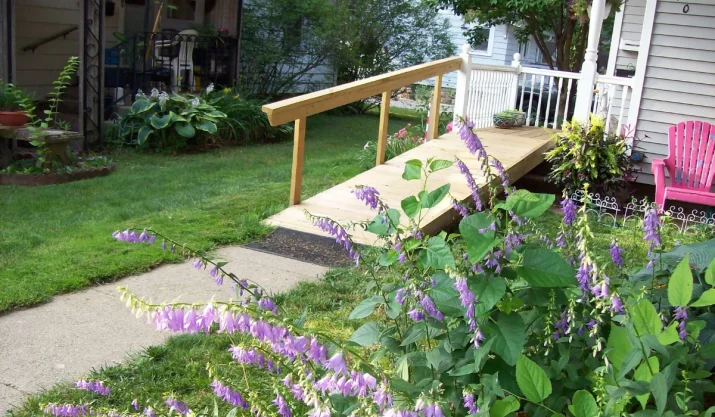
Table of Contents
A wheelchair ramp helps people with mobility challenges safely enter and exit a California home. Whether you build a ramp yourself or hire a professional, knowing the basics helps you make a safer choice for your loved one.
A well-built wheelchair ramp supports daily independence and improves home accessibility while following ADA guidelines and local building codes. Following these details keeps your ramp safe and reliable for years.
This guide explains how to measure ramp slope, comply with ADA requirements, compare DIY ramps to professional installation, and choose the right materials for different accessibility needs.
Key Takeaways:
- The ADA recommends a 1-inch rise for every 12 inches of ramp length.
- Professional installation helps ensure compliance with ADA and local building codes.
- Modular and aluminum ramps last longer and require minimal maintenance.
- DIY wheelchair ramps can cost less, but they must still comply with ADA safety requirements.
Understanding Wheelchair Ramp Basics
A wheelchair ramp lets people using wheelchairs, scooters, or walkers move between levels safely. The most important ramp design rule is slope.
The Americans with Disabilities Act sets a standard slope of 1 inch of rise per 12 inches of ramp length. For example, a porch that is 24 inches high needs at least 24 feet of ramp length.
Landings and weight capacity also affect ramp safety. ADA guidelines require level landings at the top and bottom of the ramp. Longer ramps also need level landings every 30 feet. Each landing must be wide enough for a wheelchair or scooter to turn.
California building codes may impose additional safety requirements. Many areas require non-slip surfaces to reduce the risk of falls during rainy weather. Following both ADA requirements and California codes helps keep the ramp safe.
We install wheelchair ramps that follow ADA standards and California safety codes throughout Sacramento and the Bay Area.
Common Types of Wheelchair Ramps
When planning a ramp, consider how often you or your loved one will use it, and whether you need a permanent or a portable wheelchair ramp solution.
Wood Ramps
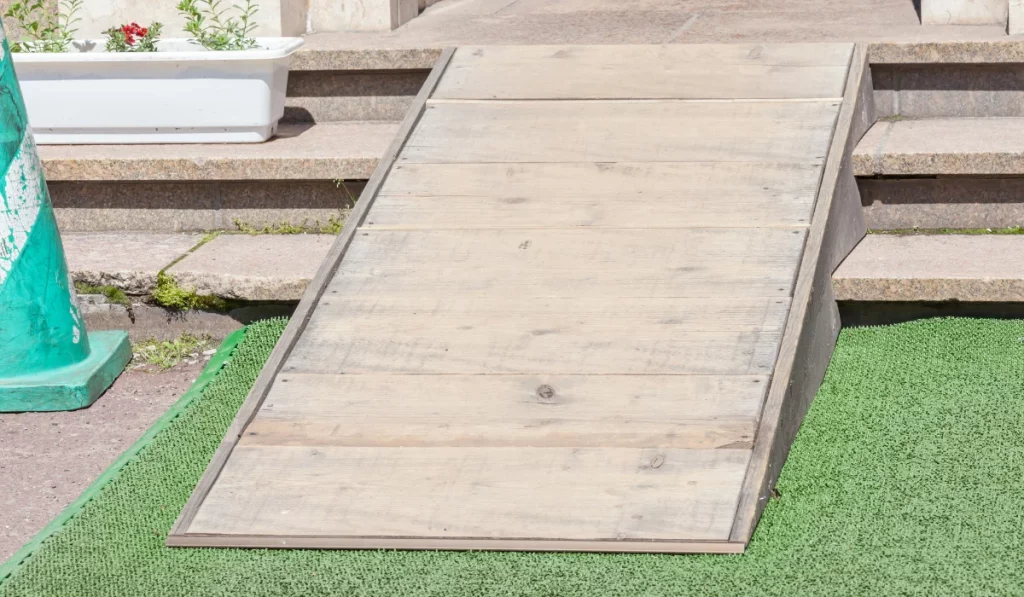
Wood ramps complement many home styles. Builders often use pressure-treated lumber to reduce moisture damage. These ramps require regular sealing and surface inspections to remain safe and slip-resistant.
Modular Ramps
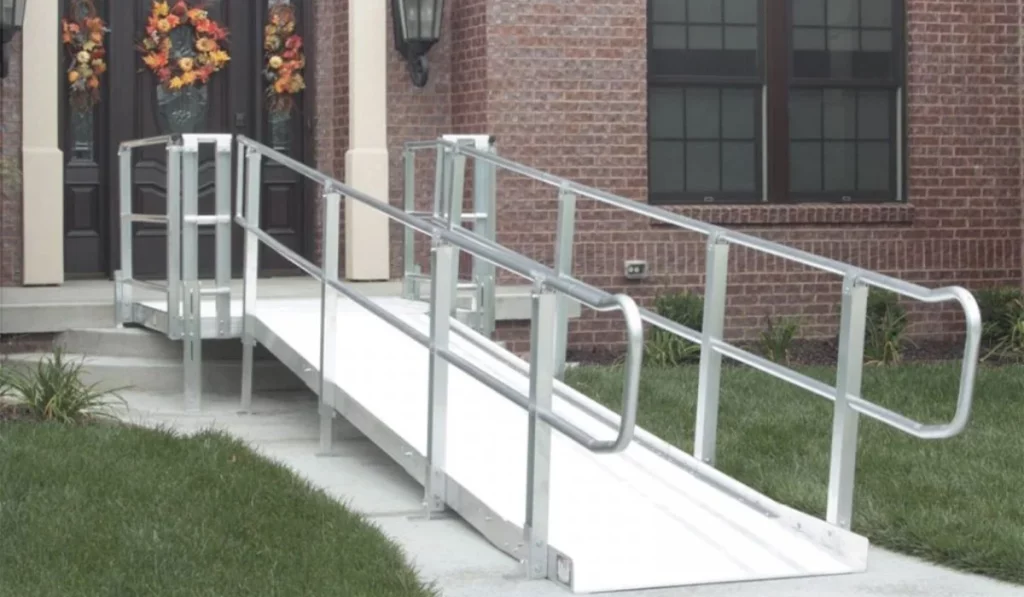
Modular ramps are usually made of aluminum and install quickly. They resist weather damage and include safety features like handrails and textured surfaces. These ramps work well for homeowners who may need to adjust the layout later.
Portable Ramps
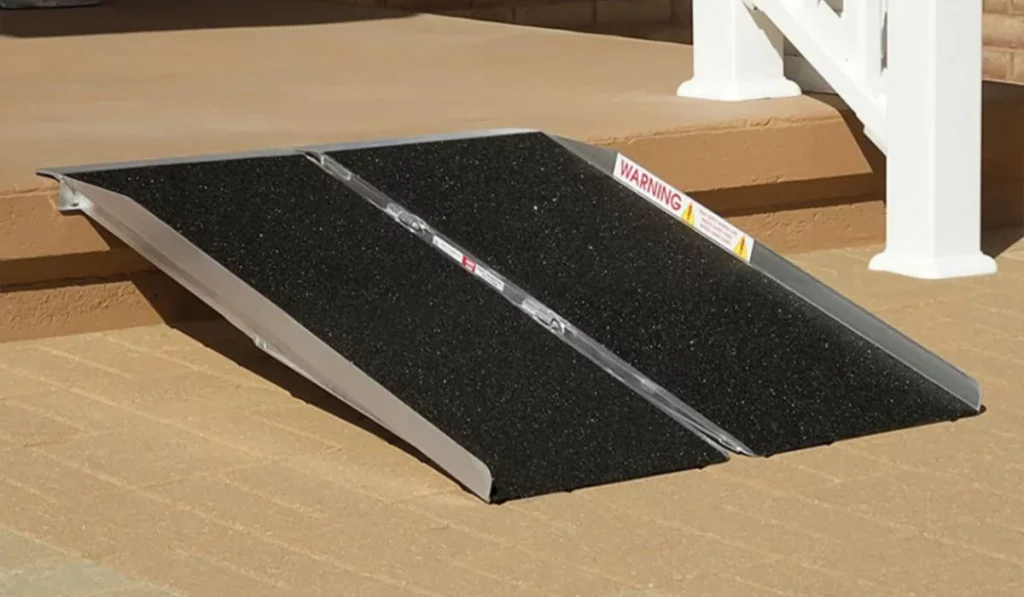
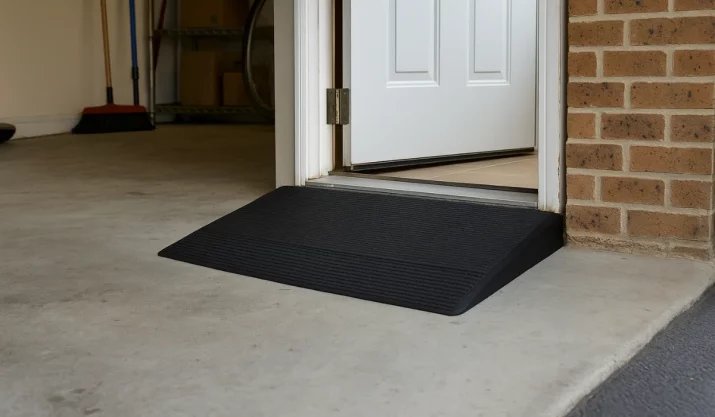
Portable ramps work best for curbs or single steps. They fold for easy storage and travel. These ramps support wheelchairs and scooters but work only for short-term use.
We offer modular, wooden, and custom ramp options based on each home’s layout and mobility needs.
Ramp Slope, Landings, and ADA Rules
Many homeowners ask whether a wheelchair ramp at a private residence must meet ADA standards. While the law primarily applies to public buildings, following ADA guidelines at home often results in a safer, more comfortable ramp for daily use.
The ADA and local building codes set the foundation for safe and accessible ramp construction. The standard ramp slope is 1:12, meaning one inch of rise for every twelve inches of ramp length. This ratio keeps ramps gentle enough for manual wheelchair users and safe for daily use.
ADA ramp requirements also include level landings at least 5 feet long, allowing users to rest or turn around easily. Ramps with a rise greater than six inches must consist of handrails. These rails help users balance and add stability for caregivers assisting loved ones.
The ADA also requires ramps to have a slip-resistant or non-slip surface and smooth transitions at doorways. In California, where the weather can range from coastal fog to mountain rain, choosing a weather-resistant and slip-resistant surface is essential.
Our ADA-compliant ramps feature durable materials, non-slip finishes, and safe handrails for reliable use year-round.
DIY Wheelchair Ramps vs. Professional Installation
Many homeowners consider building a DIY wheelchair ramp to save money. DIY ramps can work for short-term needs, but small mistakes can create safety risks. Common issues include steep slopes, missing landings, or weak support.
Professional installers build ramps that comply with ADA requirements, local codes, and established safety standards from the outset. We use high-quality treated wood and aluminum materials designed to support daily use. Installers also design ramps to match the home’s layout and the user’s specific needs.
For long-term accessibility, professional installation often provides better safety and durability.
Cost, Materials, and Maintenance
The total cost of a wheelchair ramp depends on several factors, such as ramp length and material. Your decision to do the work yourself or opt for professional installation can also affect the total cost of your home improvement project.
Choosing the right wheelchair ramp means balancing safety, style, and budget. Before starting a ramp installation, it helps to understand how different materials, designs, and installation options affect both cost and long-term upkeep.
| Ramp Type | Approx. Cost | Pros | Maintenance Needs |
|---|---|---|---|
| Portable Ramps | A few hundred dollars | Easy to move, great for short-term or travel use | Check hinges and non-slip surface regularly |
| Wooden Ramps | $1,500–$3,500 (typical) | Affordable and customizable | Seal yearly, inspect for rot or soft spots |
| Aluminum Ramps | $3,000–$6,000 | Durable, rust-free, low upkeep | Minimal — rinse and tighten bolts as needed |
| Modular Ramps | $2,000–$5,000 | Flexible layout, reusable sections | Little upkeep, check for wear on connectors |
Inspect it regularly for loose bolts, soft wood, or worn non-slip surfaces.
Choosing the Right Ramp for Your Home
Choosing the right wheelchair ramp depends on how long you plan to use it, how it fits your home, and the level of support needed. The right setup should feel natural to use and blend smoothly with your entryway.
At California Mobility, we help homeowners plan ramp solutions that match real daily needs, home layouts, and long-term use goals.
Contact us today or request a free quote to schedule a consultation.