

Home Lift Maintenance Checklist for San Diego Homeowners
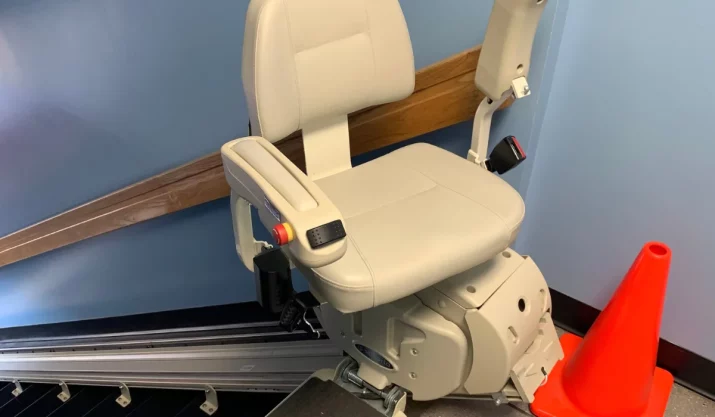
Table of Contents
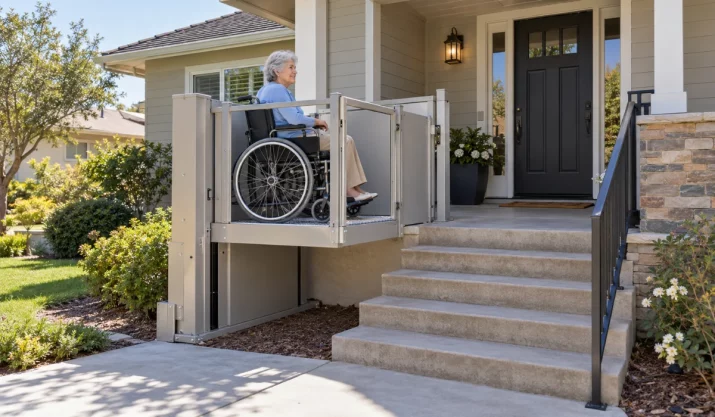
A home lift improves access and safety, but it needs regular care to stay reliable. This checklist helps you spot issues early, support lift safety, and extend the lifespan of your home lift system.
This guide covers practical maintenance steps, including monthly, quarterly, and annual tasks, warning signs, and when to schedule professional servicing. If you rely on home lifts or other accessibility solutions, such as stair lifts, routine care keeps your equipment ready each day.
Key Takeaways
- Regular home lift maintenance reduces breakdowns, improves ride quality, and keeps your lift in working order.
- A solid maintenance checklist covers door operation, the control panel, communication systems, and visible wear.
- Monthly, quarterly, and annual tasks support preventive maintenance and catch malfunctions early.
- When you notice rough travel, unusual noises, or safety system issues, stop DIY work and call a qualified technician.
Home Lift Maintenance Checklist for San Diego Homeowners: Start Here
This checklist focuses on simple checks you can safely perform without opening panels or accessing restricted areas.
For homeowners in coastal areas like San Diego, regular maintenance and observation are important, as salt air can accelerate wear on lift components.
Check Door Operation
Start with the door operation. The home lift door should open and close smoothly, align properly, and not stick or reverse. Delays or scraping sounds may point to worn mechanical components or control system issues.
Check the door over multiple trips. Consistent performance helps prevent larger malfunctions and supports lift safety.
Review the Control Panel and Communication Systems
Check the control panel inside the lift cab to confirm all buttons respond quickly and lights work correctly. Delays in response can signal a problem within the control system or overall lift operation.
Test communication systems, such as the intercom, and confirm that the emergency alarm and emergency stop work. These features support safety and should stay in working order through regular maintenance.
Listen for Unusual Noises and Watch Ride Quality
Listen for unusual noises like grinding, rattling, or buzzing during operation. These sounds may signal worn pulleys, traveling cables, or other moving parts.
Also, monitor ride quality. If the lift feels uneven, jerky, or unstable, it may indicate issues with the drive system or mechanical components.
Homeowners should avoid accessing the hoistway or the top of the car and leave those areas to trained professionals.
Monthly, Quarterly, and Annual Checklist Items
A consistent maintenance schedule keeps your home lift reliable and safe. According to Cal/OSHA, property owners are responsible for maintaining and inspecting lifting systems to support safe operation.
Breaking tasks into monthly, quarterly, and annual checks makes maintenance easier to manage.
Monthly Checklist Items
Monthly checks focus on performance and visible wear. Test the lift door, interior lights, and control panel to confirm they work properly.
Watch for unusual noises and make sure the lift levels properly at each floor. These quick checks support regular maintenance and catch early signs of malfunctions before they lead to breakdowns.
Quarterly Checklist Items
Quarterly maintenance should include professional servicing to check lubrication points and moving parts. Proper lubrication reduces friction and extends the lifespan of mechanical components.
Technicians may inspect traveling cables, pulleys, and the drive system. They may also check the oil level and evaluate components near the machine room, where key systems operate.
Annual Inspection
Most home lifts should receive a professional annual inspection, although requirements may vary based on manufacturer guidelines and local codes. The inspection includes reviewing safety systems, buffers, and internal components not accessible to homeowners.
This is also a good time to review long-term costs, especially when comparing repairs with a new home lift installation in San Diego.
During this visit, technicians often access areas like the hoistway and machine room to perform a full system check. This level of inspection confirms the lift system is in working order and meets safety standards based on local codes and equipment type.
When to Stop DIY and Call a Technician
Some problems go beyond routine checks and need professional servicing. Knowing when to stop DIY work helps protect your equipment and household safety.
Repeated Breakdowns or Malfunctions
If your home lift frequently stops, ignores controls, or fails to level, these are signs of deeper system issues. Repeated breakdowns often involve the control system or core components.
Many serious issues come from incomplete repairs or missed safety steps. A study from the University of Mississippi shows that neglect and improper procedures often cause failures, which is why professional servicing matters.
A qualified technician can diagnose and fix these problems. If you are unsure who to trust, learn how to choose the right home lift company in San Diego before scheduling service.
Rough Travel or Declining Ride Quality
Changes in ride quality, such as shaking or sudden stops, often indicate drivetrain or moving part issues. Poor lubrication or worn components may also be involved.
Professional servicing restores smooth performance and prevents further damage.
Safety Feature Problems
If the emergency alarm, emergency stop, or intercom fails to work, stop using the lift immediately. These safety systems must function properly at all times, and technicians should inspect them regularly to support reliability.
A technician can inspect and repair these features to help the lift meet safety standards based on local requirements.
Schedule A San Diego Home Lift Maintenance Inspection
Staying on top of home lift maintenance helps prevent costly repairs and keeps your lift dependable. A checklist helps you stay organized, but professional inspections are needed to evaluate every part of the system.
At California Mobility, we provide home accessibility solutions, including home lifts, along with guidance on maintenance and inspections to support long-term performance. If your home also includes stair lifts or ramps, working with one provider simplifies care.
If your checklist reveals issues like unusual noises, poor ride quality, or overdue service, it is time to schedule an inspection.
Contact us and request your free quote today. We can help you plan safe, reliable use of a home lift with the right equipment and service guidance.