

Home Lift Worth It San Diego: Are They Right For 2-Story Homes?
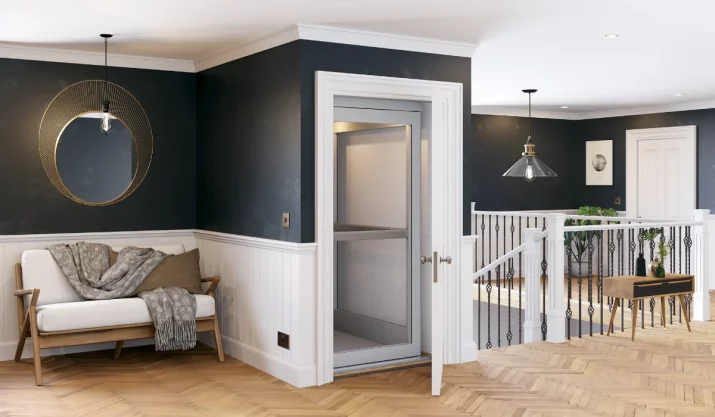
Table of Contents
- Key Takeaways
- Why A Home Lift Makes Sense In San Diego
- Types and Home Lift Design Choices for San Diego Homes
- Costs and Value: Is a Home Lift Worth It in San Diego?
- Space, Construction, and Installation Process
- Safety Features, ADA, And Regular Maintenance
- Home Lifts Vs. Stair Lifts And Home Lifts
- Picking the Right Home Lift and Home Lift Models
- Space And Code Details For New And Existing Homes
- Brand, Service, And Support Considerations
- Making The Right Home Lift Choice For Your San Diego Home
- FAQs
If you live in San Diego and use stairs every day, you may be wondering whether a Home Lift is a smart upgrade. In two-story homes across the area, a Home Lift can make daily life easier, safer, and more comfortable.
A Home Lift helps older family members, supports aging in place, and reduces fall risk. It also enables you to use every room, so you do not have to avoid upstairs spaces or keep chores on one floor. In California’s tight housing market, a San Diego Home Lift can help boost property value and buyer interest.
This guide explains what you need to know to determine whether a Home Lift is right for your San Diego home. You will learn about cost, home lift types, design, safety features, and installation, so you can pick the right one.
Key Takeaways
- A Home Lift improves access, safety, and daily comfort in a two-story home.
- Space-saving and energy-smart home lift options can work well in many San Diego homes.
- Costs depend on type, size, and construction, and many owners may see their home value rise.
- A local home lift company can help with planning, permits, installation, and maintenance.
Why A Home Lift Makes Sense In San Diego
A Home Lift removes daily barriers. It helps people move between floors and carry items such as groceries and laundry with less strain. For many homeowners, these benefits make a Home Lift worth a closer look.
Many San Diego homes sit on sloped lots or have tight floor plans. A space-saving residential home lift can free up living space and reduce fall risk, helping families who want to age in place or host older relatives.
Modern California homes often prioritize style and function, including a residential home lift. Many modern Home Lifts run smoothly and quietly, and you can pick styles that match coastal or suburban homes. For everyday comfort, an in-Home Lift can be a helpful upgrade.
At California Mobility, we offer several Home Lift options and free consultations to help you plan a San Diego Home Lift, from selecting a model to scheduling installation.
Types and Home Lift Design Choices for San Diego Homes
San Diego homeowners often choose from three main types of Home Lifts: hydraulic, traction, and pneumatic (vacuum). Each type has pros and cons based on your space, budget, and style goals.
Hydraulic home lifts use fluid power. They ride smoothly and quietly and can carry more weight, making them suitable for wheelchairs or larger households. Some models need extra space for equipment. Newer designs may need less room, which can work well in custom builds or new homes.
Pneumatic (vacuum) home lifts often use a clear tube and a small footprint, making them suitable for many existing homes. They usually require less construction than a full-shaft home lift and can save space while maintaining a modern look. These home lifts use less power, making them an energy-efficient option for smaller San Diego homes.
Most models include safety features like door locks (interlocks), alarms, and an emergency stop button. An experienced Home Lift company can help you compare models, cab sizes, and finishes to find the best fit.
We can help you compare Home Lift types and choose one that fits your San Diego home.
Costs and Value: Is a Home Lift Worth It in San Diego?
The cost of a Home Lift depends on the type, size, and extent of the required modifications to your home. Many installations cost about $25,000 to $60,000.
Hydraulic systems often cost more but can support higher loads. Pneumatic (vacuum) home lifts often cost less and may be easier to add because they usually do not need a machine room.
Cost matters, but long-term value matters too. In California, easier access can attract buyers and may raise property value. A residential home lift can also help families who want to age in place and move between floors more easily.
An in-Home Lift can save effort, help guests with mobility needs, and make a two-story home feel safer. For some families, those benefits are worth the upfront cost.
Space, Construction, and Installation Process
Some of the things you need to know before installing a Home Lift are how much available space you have and your home’s layout. Pick where the cab will move and where it will stop on each floor. Plan door openings so you do not block hallways or main rooms.
Installation requirements vary by home lift type. Hydraulic home lifts may need a small pit and extra space for equipment. Pneumatic (vacuum) models often need less structural work, which can help in compact San Diego homes.
If you plan for an home lift during the new home design, you may reduce costs and complete the project faster. A qualified home lift company works with your builder and inspectors, manages permits, and helps the installation go smoothly.
After installation, the team should show you how to use the controls, alarms, and safety features.
At California Mobility, we can help with planning, permits, installation, and the final inspection for San Diego homeowners.
Safety Features, ADA, And Regular Maintenance
When planning a Home Lift, prioritize safety features. Look for door locks that keep doors closed during home lift movement, emergency lowering, alarms, and an easy-to-find emergency stop button.
Many systems include in-cab phone integration, LED lighting, and a battery backup, so you can exit if power is lost.
While private Home Lifts do not need to meet every ADA requirement, most owners aim for good accessibility. That can include a wider door, a wheelchair-accessible cab, handrails, and controls that are easy to reach.
Plan for regular maintenance visits. A service visit checks the ride, doors, lights, and controls. Regular maintenance helps your home lift system run well and last longer.
We offer maintenance and safety checks for San Diego homeowners, plus reminders and priority scheduling.
Home Lifts Vs. Stair Lifts And Home Lifts
San Diego homeowners often compare stair lifts, home lifts, and home lifts when improving home accessibility. Each option serves different needs, budgets, and spaces.
| Feature | Stair Lift | Home Lift | Home Lift |
|---|---|---|---|
| Function | Moves one person along a staircase | Moves 1–2 people vertically between floors | Moves multiple riders or wheelchairs between floors |
| Best For | Single users with limited mobility | Homes needing compact vertical access | Families or those planning to age in place |
| Weight Capacity | Low to moderate | Moderate | High (can carry mobility devices, luggage, or groceries) |
| Space Needs | Minimal; follows stairs | Small vertical shaft | Requires a shaft or tube area |
| Accessibility | Not wheelchair-friendly | May fit a small chair | Fully accessible for wheelchairs |
| Design Impact | Visible on the stairway wall | Compact, often modern | Integrates with home layout and design |
| Typical Cost | Lower upfront cost | Mid-range | Higher cost but long-term value |
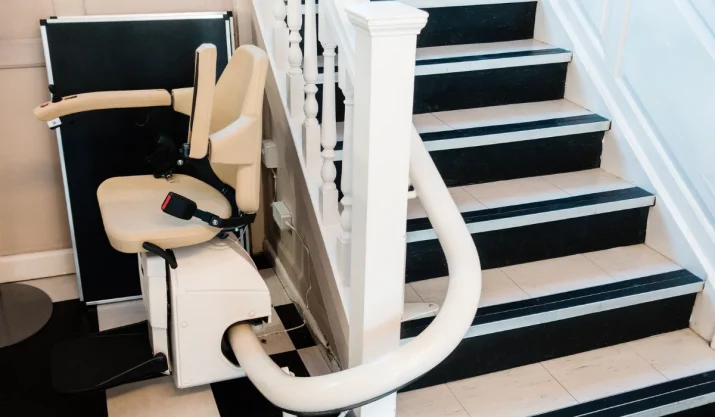
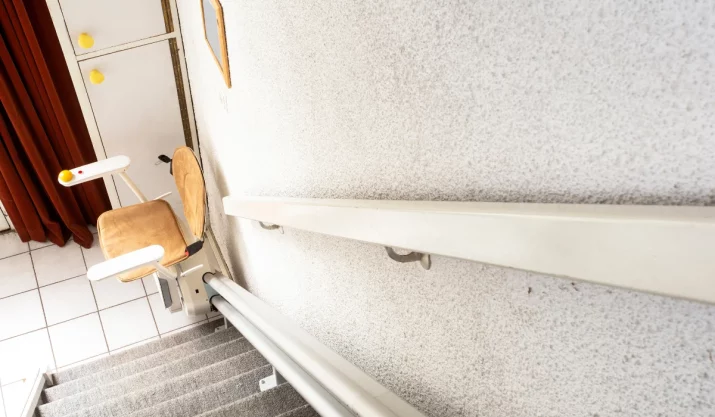
Stair lifts can be quick and cost-effective, but they typically serve only one person at a time. Home lifts and residential home lifts can help more people, especially in two-story homes or homes designed for aging in place.
Picking the Right Home Lift and Home Lift Models
To choose the best Home Lift in San Diego, align your needs, space, and budget. Start with the basics: how many people it can carry, whether it accommodates wheelchairs, and where the door should open.
Hydraulic systems can handle greater loads and often operate very smoothly. Pneumatic (vacuum) home lifts are well-suited when you need a smaller footprint. You can also choose a look that fits your home. You can pick cab finishes, lighting, and controls that match your style.
Ask about options that use less power, such as LED lighting or a standby mode, to help save energy over time. We can show you Home Lift models and help you choose one for your San Diego home.
Space And Code Details For New And Existing Homes
Planning a new home makes adding a Home Lift much easier. Builders can stack closets to form a vertical shaft, plan door swings for each stop, and size the pit and headroom during framing.
Designing with an home lift in mind keeps costs lower and helps meet California building codes from the start.
Retrofitting an existing home is also common in San Diego. Pneumatic (vacuum) home lifts are well-suited for these projects because they often require smaller openings and do not require a large shaft. Depending on your layout, you may also choose a hydraulic home lift that does not need a separate machine room.
Your installer will assess whether the project needs changes to the framing, electrical work, or other parts of the home. Every project requires permits and must follow local building codes.
A licensed home lift company can handle drawings, permit paperwork, and city inspections, making sure that the project remains safe and compliant with local regulations. Our team can help with planning, coding steps, and installation, so you can focus on design decisions and day-to-day use.
Brand, Service, And Support Considerations
When you choose a Home Lift, the installer matters as much as the equipment. Look for a San Diego home lift company with solid experience and a good local reputation.
Ask about response times, parts, and 24-hour support. Review the warranty and the included regular maintenance. Good providers document checks of doors, brakes, controls, and ride quality, so your system remains safe and compliant.
Request a direct phone number for scheduling and service inquiries. Having direct contact is most important for urgent safety-related issues, such as an emergency stop. Clear communication and dependable support help you feel confident long after installation.
At California Mobility, we provide high-quality installation, maintenance, and local service for homeowners across San Diego.
Making The Right Home Lift Choice For Your San Diego Home
A Home Lift can make a two-story San Diego home easier for everyone to use. You get easier access, more comfort, and a safer way to age in place. Many owners also see higher property values and more buyer interest when it is time to sell.
The best choice fits your goals, your home’s layout, and your budget. You might choose a hydraulic system for higher load requirements or a pneumatic (vacuum) home lift for a smaller space. Many options can fit different home styles and sizes.
When you work with a skilled installer, Home Lift installation can feel like a smooth home improvement project rather than a stressful one. At California Mobility, we can help you compare home lift types, understand the installation steps, and pick finishes that match your home.
If you are ready to plan a Home Lift in San Diego, contact us today to request a free consultation.