

Aging In Place In California: Home Modifications Worth Doing First (And When To Add A Lift)
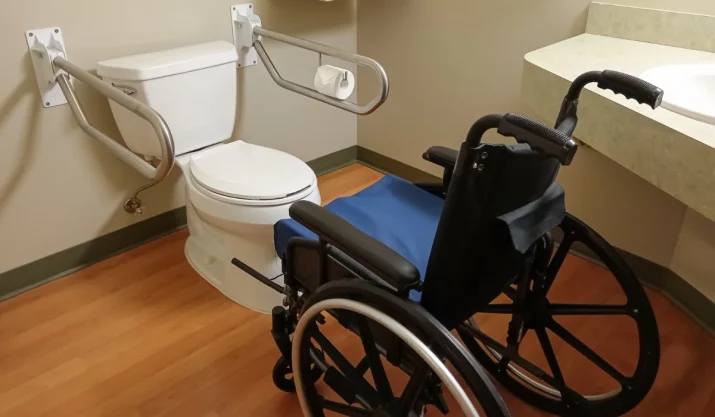
Table of Contents
- Key Takeaways
- Start With Fall Prevention And Home Safety Basics
- Focus On Bathroom Home Modifications First
- Improve Entryways And Living Spaces For Daily Comfort
- Use Smart Home Technology And Assistive Technology
- Know When A Stair Lift Or Home Lift Makes Sense
- Plan Remodeling With Long-Term Care In Mind
- Making The Right Aging In Place Plan For California Homeowners
- FAQs
As people age, navigating the home can become more difficult. Stairs feel steeper, bathrooms feel smaller, and minor obstacles become daily challenges. For many California homeowners, aging in place means staying in a familiar home while making changes that support new mobility needs.
Home modifications for aging in place reduce fall risk, improve safety, and support daily routines, helping older adults stay independent. Simple updates make daily life safer and easier, especially when implemented before mobility declines.
This guide explains which aging-in-place home modifications to start with, how to plan upgrades by room, and when a stair lift or home lift makes sense. You will also learn how thoughtful planning supports caregivers, protects loved ones, and improves quality of life.
Key Takeaways
- Start with safety-focused home modifications that reduce tripping hazards and fall risks.
- Bathrooms and entryways offer the greatest return on investment for fall prevention.
- Smart home technology supports in-home independence and home care.
- A stair lift becomes essential when stairs limit access to your living space.
Start With Fall Prevention And Home Safety Basics
Start aging-in-place home modifications by focusing on fall prevention. Many injuries occur during everyday activities such as walking through hallways or stepping over thresholds. Removing loose rugs, fixing uneven walkways, and improving lighting immediately reduces fall risks.
Install nightlights in hallways and bedrooms, add motion-sensor lights near bathrooms, and move light switches to easy-to-reach locations. These changes make it safer for older adults to move around the home at night. Handrails on both sides of the staircase add stability and daily support.
At California Mobility, we help homeowners identify tripping hazards and choose practical remodeling steps that fit California homes, from single-story houses to multi-level properties.
Focus On Bathroom Home Modifications First
Bathrooms are one of the most important spaces for aging-in-place home modifications. Wet surfaces increase the risk of falls, especially for those with limited mobility. Installing grab bars near the toilet and shower adds immediate support.
Walk-in showers, handheld showerheads, slip-resistant flooring, and raised toilet seats improve comfort and safety. Walk-in tubs are well-suited for homeowners who prefer baths over showers. Lever-style faucet handles reduce strain on hands and wrists.
We design bathroom remodeling solutions that support long-term care while staying easy for caregivers and family members to use.
Improve Entryways And Living Spaces For Daily Comfort
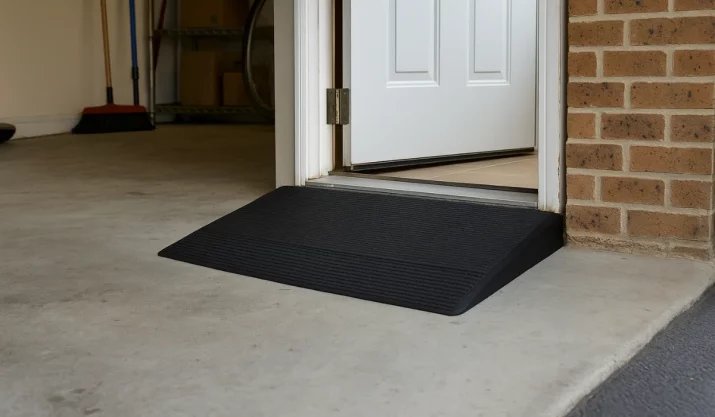
Entryways often create barriers to movement for older adults. High thresholds and narrow doorways make daily movement harder, especially when using mobility aids. Widen doorways when possible and smooth thresholds to improve access.
Inside the home, replace round doorknobs with lever-style handles and lower countertops for better reach. Non-slip flooring lowers fall risks in kitchens and shared living areas. These home modifications support daily independence while keeping the home familiar.
We help homeowners adapt entryways and living spaces while protecting curb appeal and home value.
Use Smart Home Technology And Assistive Technology
Smart home technology supports aging in place by reducing physical effort. Voice-controlled thermostats, smart lighting, and alert systems help older adults control their home with less movement.
Security and alert systems help caregivers and families stay informed, especially when someone lives alone.
Homeowners in San Diego, for example, can receive in-home care through assistive technology that caregivers can use, such as remote monitoring and easier communication.
Know When A Stair Lift Or Home Lift Makes Sense
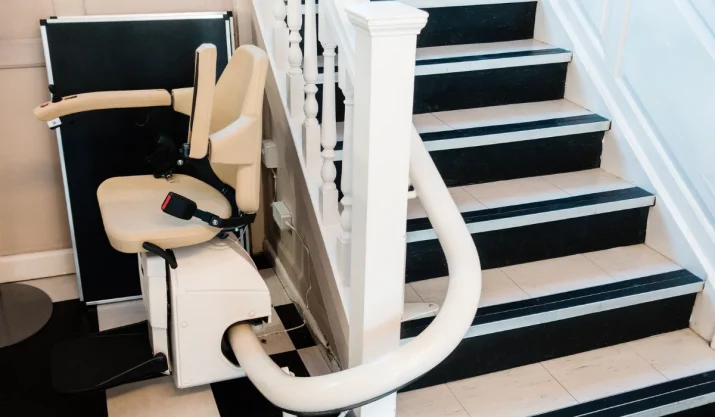
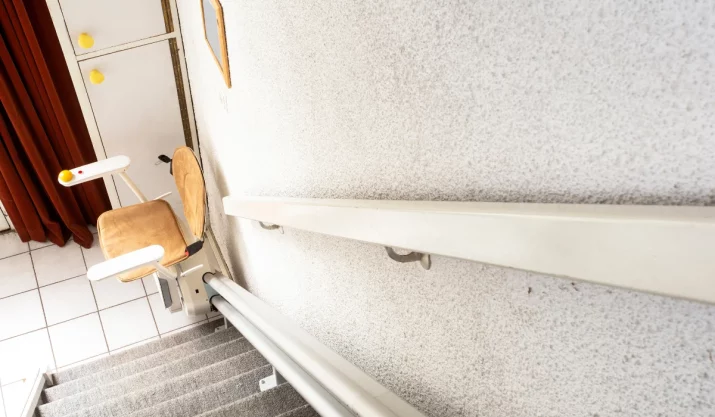
When stairs block access to bedrooms or bathrooms, a stair lift becomes a practical option. It allows older adults to use the staircase safely without help and can delay the need for assisted living or long-term care.
If you use multiple floors each day or require a wheelchair, a home lift or home lift may be a better long-term option. These options keep the entire home usable rather than limiting daily life to a single level.
We install stair lifts from trusted brands like Bruno and Access BDD, helping homeowners choose the right option for their home and mobility needs.
Plan Remodeling With Long-Term Care In Mind
Many homeowners wait too long to plan aging-in-place remodeling. Starting early allows home modifications to happen gradually and cost-effectively, rather than during a crisis.
AARP fall prevention guidance notes that stair lifts can be a smart option for some older adults. In apartments or subsidized housing, a physician’s letter may also support a move to a first-floor unit to reduce fall risk. Thinking ahead also helps older adults stay in their homes longer without rushing into assisted living.
Working with Certified Aging-in-Place Specialists is key to this process. CAPS professionals understand how homes should adapt to changing mobility needs over time.
They look beyond surface updates and help homeowners plan layouts, clearances, and access points that support long-term safety, comfort, and independence. Their training helps ensure remodeling decisions align with real aging needs rather than short-term fixes.
Programs such as Medicare and Medicaid may cover certain mobility aids, depending on eligibility, but planning extends beyond funding. Early remodeling also makes daily home care routines safer and easier for caregivers.
We work closely with CAPS-informed planning principles, guiding homeowners through smart remodeling decisions that support future needs while keeping the home functional and familiar.
Making The Right Aging In Place Plan For California Homeowners
A successful aging-in-place plan comes from timing and preparation, not last-minute changes. Taking action early gives homeowners more choices, better outcomes, and fewer disruptions as needs change over time. Thoughtful planning also makes it easier to adjust the home gradually rather than react to sudden challenges.
At California Mobility, we support homeowners by helping them think ahead and choose modifications that fit their home, lifestyle, and long-term goals.
Contact us today or request a free quote and take the next step toward a safer, more comfortable home.