

The Rollator Walker CPT Code and How Medicare Billing Really Works

Table of Contents
- Is There a Rollator Walker CPT Code?
- Which HCPCS Code Applies to a Rollator Walker?
- How Medicare Billing for a Rollator Walker Works
- What Will Medicare Part B Pay for a Rollator?
- How to Keep a Rollator Medicare Claim on Track
- Choosing Mobility Equipment That Fits the Person and the Home
- Frequently Asked Questions
If you’re searching for the rollator walker CPT code, there’s one billing detail to clear up first. Medicare doesn’t normally use Current Procedural Terminology (CPT) to bill for the walker itself. Rollators and other walkers are durable medical equipment (DME), so Medicare generally uses Healthcare Common Procedure Coding System (HCPCS) Level II codes instead.
That difference matters when you’re helping a parent, spouse, or other family member get a walker through Medicare. The rollator walker CPT code is only part of the question. Coverage also depends on the medical record, a written order, the supplier providing the equipment, and the Medicare Part B rules that apply to the claim.
Once you know who handles each piece, the process becomes easier to follow. You can check the paperwork before delivery, understand what code the supplier plans to bill, and get a clearer idea of what Medicare may pay.
Key Takeaways
- Rollators are generally billed under HCPCS Level II rather than CPT because they are durable medical equipment.
- HCPCS code E0143 commonly applies to folding wheeled walkers, while certain accessories or specialized walkers may use other codes.
- Medicare Part B generally pays 80% of the Medicare-approved amount for covered equipment after the deductible, leaving the patient responsible for 20% coinsurance.
Is There a Rollator Walker CPT Code?
There usually isn’t a CPT code for the rollator itself. The American Medical Association explains that CPT codes report medical procedures and services, including many office visits, tests, and treatments.
A walker falls into a different billing category. Medicare treats qualifying walkers as durable medical equipment, so suppliers generally use HCPCS Level II codes when they bill for the equipment.
| Coding System | What It Usually Describes | How It Applies to a Rollator |
| CPT | Medical procedures and professional services | May apply to related medical care |
| HCPCS Level II | Equipment, supplies, and certain services | Used to bill the walker itself |
| Medicare Part B | Coverage for qualifying outpatient care and durable medical equipment | May cover a medically necessary walker |
If you’re speaking with a supplier, ask which rollator walker HCPCS code matches the exact equipment being ordered. That question is more useful than asking only for a CPT code.
Which HCPCS Code Applies to a Rollator Walker?
For many standard folding wheeled walkers, HCPCS code E0143 is the code you’re likely to encounter. It describes a folding wheeled walker with an adjustable or fixed height.
The Centers for Medicare & Medicaid Services HCPCS overview explains that HCPCS Level II covers products, supplies, and services that aren’t included in CPT. That includes many types of Medicare durable medical equipment.
How E0143 Applies to Wheeled Walkers
Many products sold as rollators fit the general description of E0143, but the word “rollator” on the box doesn’t determine the code. The supplier has to look at the equipment that will actually be delivered.
A standard folding wheeled walker may fit E0143, while a heavy-duty or specialized model could require a different HCPCS code. That’s why it is worth asking the supplier what it plans to submit before the claim is filed.
What Happens if the Rollator Has a Seat?
A seat may involve HCPCS code E0156, which describes a seat attachment for a walker. Whether the code is billed separately depends on the equipment and how the supplier handles the claim.
| HCPCS Code | General Description | What It Means for You |
| E0143 | Folding wheeled walker, adjustable or fixed height | Commonly used for many standard wheeled walkers |
| E0156 | Seat attachment for a walker | May apply to an eligible seat attachment |
| Other walker codes | Heavy-duty or specialized configurations | May apply when the equipment doesn’t fit E0143 |
You don’t need to choose the code yourself. The Medicare supplier is responsible for matching the code to the equipment it provides.
How Medicare Billing for a Rollator Walker Works
A rollator walker CPT code search may bring you to the equipment code, but a code alone doesn’t create a covered Medicare claim. The medical record, written order, supplier, and equipment all need to line up.
For a family or caregiver, it helps to picture the paperwork moving in one direction. It starts with the treating practitioner, passes to the supplier, and ends with Medicare reviewing the claim.
Your Practitioner Documents the Medical Need
The process starts with the reason you need the walker. Your treating practitioner should document the mobility limitation that makes the equipment medically necessary.
The record may describe problems walking safely inside the home, difficulty completing daily activities without support, or another condition that makes a walker appropriate. The documentation should reflect your actual circumstances rather than a generic need for extra stability.
Your Practitioner Writes the Order
The next piece is the written order, which many families simply call a prescription for a walker. It connects the equipment to the condition described in the medical record.
The type of walker supplied should match that order. If the equipment changes before delivery, ask whether the written order still accurately describes what you will receive.
A Medicare-Enrolled Supplier Provides the Walker
The supplier handles the equipment and submits the claim. Before accepting the walker, confirm that you’re dealing with a Medicare-enrolled supplier.
You should also ask whether the supplier accepts Medicare assignment. Enrollment means the supplier can participate in Medicare. Assignment means the supplier agrees to accept the Medicare-approved amount as full payment for the covered item, apart from the deductible and coinsurance you owe.
The Supplier Submits the HCPCS Code
The supplier selects the HCPCS code that describes the walker it delivers. For a qualifying folding wheeled walker, that may be E0143.
You normally don’t send a CPT or HCPCS code to Medicare yourself. The supplier submits the claim using the equipment code and the documentation needed to support it.
| Step | Who Handles It | What Happens |
| Medical evaluation | Treating practitioner | Your mobility limitation and need for a walker are documented |
| Written order | Treating practitioner | The walker is prescribed |
| Equipment selection | Supplier | A walker is matched to the order |
| HCPCS coding | Supplier | The equipment code is selected |
| Claim submission | Supplier | The claim goes to Medicare |
| Claim review | Medicare | Medicare determines coverage and the approved amount |
What Will Medicare Part B Pay for a Rollator?
Medicare walker coverage falls under Part B when the equipment qualifies as durable medical equipment and Medicare’s requirements are met. The official Medicare.gov walker coverage page states that Part B covers walkers when they are prescribed for use in the home and the coverage requirements are satisfied.
After the applicable Part B deductible has been met, Medicare generally pays 80% of the Medicare-approved amount for covered equipment. You’re generally responsible for the remaining 20% coinsurance.
Why the Medicare-Approved Amount Matters
The Medicare-approved amount isn’t necessarily the same as the price you see online or the amount a supplier originally charges. Medicare uses its approved amount when calculating the covered share.
For example, if the approved amount were $100 and you had already met your Part B deductible, Medicare’s 80% share would be $80. Your 20% share would be $20.
| Illustrative Example | Amount |
| Medicare-approved amount | $100 |
| Medicare share at 80% | $80 |
| Patient coinsurance at 20% | $20 |
This example only shows how the percentage works. It isn’t a current reimbursement rate for a rollator.
Why Medicare Assignment Is Worth Asking About
A supplier that accepts assignment agrees to use the Medicare-approved amount as the basis for payment for the covered item. That can make your expected cost easier to understand.
Ask about assignment before delivery rather than assuming every Medicare supplier handles charges the same way. It’s a simple question that can prevent surprises later.
How to Keep a Rollator Medicare Claim on Track
Claims tend to be easier to process when the medical record, written order, walker, supplier, and HCPCS code describe the same need and equipment. A missing document or mismatched product can create questions that would have been easier to address before delivery.
You don’t need to understand every Medicare billing rule. A few checks with the doctor’s office and supplier can tell you whether the main pieces are in place.
Check the Order Before Delivery
Ask the supplier whether it has received the written order and the documentation it needs from the treating practitioner. If something is missing, the doctor’s office may have time to send it before the walker is delivered.
You can also ask which HCPCS code the supplier expects to submit. If it plans to use E0143, confirm that the equipment being provided fits that general description.
Confirm the Supplier Before You Buy
A store may sell a perfectly suitable rollator without being set up to bill Medicare for it. Buying the equipment doesn’t automatically make the purchase eligible for Medicare reimbursement.
Before paying for a walker you expect Medicare to cover, confirm the supplier’s Medicare enrollment and assignment status. Those details matter more to the claim than the retailer’s advertised price.
Keep the Paperwork Trail Simple
Save a copy of the written order, the supplier’s paperwork, and any Medicare notice you receive about the claim. You may not need them again, but having the records in one place makes it easier to answer a question if one comes up.
| Check Before Delivery | Why It Helps |
| Medical need is documented | Supports the reason for Medicare coverage |
| Written order is complete | Connects the walker to your medical care |
| Supplier is enrolled in Medicare | Helps avoid supplier eligibility issues |
| Assignment status is clear | Helps you understand potential costs |
| HCPCS code matches the equipment | Reduces the chance of a coding mismatch |
Choosing Mobility Equipment That Fits the Person and the Home
The billing side of a rollator becomes much easier once you separate CPT from HCPCS. E0143 is commonly associated with a standard folding wheeled walker, but coverage still depends on the medical documentation, written order, supplier, actual equipment, and Medicare Part B rules.
If you’re helping a family member, check those details before the walker arrives. Ask the practitioner whether the need has been documented, confirm that the supplier can bill Medicare, and ask which HCPCS code will appear on the claim. You can also ask what your expected share of the Medicare-approved amount will be.
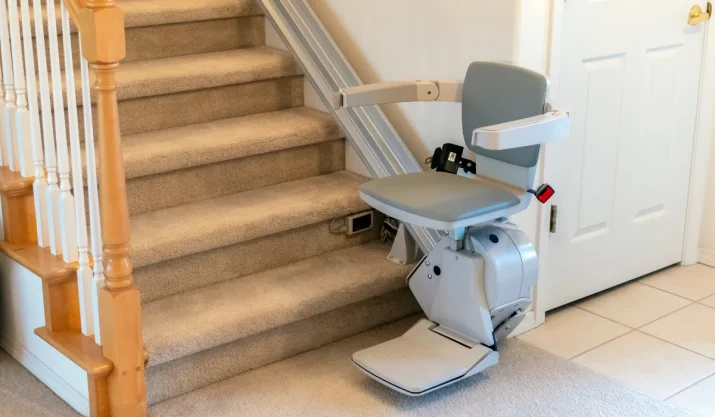
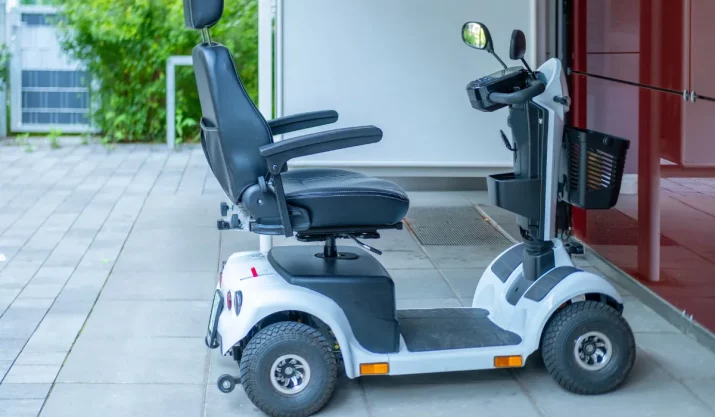
A walker can help with movement on one level of the home, but stairs, raised entrances, and other changes in height may still limit access. California Mobility helps California families evaluate stair lifts, ramps, home lifts, and other accessibility solutions based on how a person moves through the home. If a rollator solves only part of the mobility problem, California Mobility can help you look at the rest of the space.