

How Much Does a Walker Cost and When Insurance Picks Up the Tab
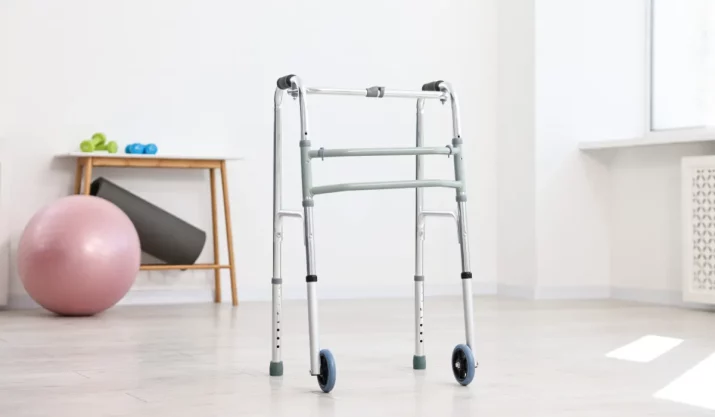
Table of Contents
Basic models often start around $35, while rollators, upright walkers, and heavy-duty designs can cost $100 to several hundred dollars. Wheels, brakes, seating, frame construction, and weight capacity account for much of the difference. Compare current walker price ranges by type, find out which features raise the cost, and know when Medicare Part B or another health plan may help. Learn what to check before buying so you can compare the retail price with your likely out-of-pocket cost.
Key Takeaways
- Basic walkers cost the least. Standard and two-wheel walkers commonly start around $35, while rollators and specialty models can cost considerably more.
- Features change the price. Seats, hand brakes, large wheels, lighter materials, stronger frames, and higher weight capacities can all raise the cost.
- Insurance may help, but coverage isn’t automatic. Medicare Part B can cover qualifying walkers as durable medical equipment when medical, prescription, and supplier requirements are met.
How Much Does a Walker Cost by Type?
There’s no one national average for the cost of a walker. The figures below are current U.S. retail ranges, so they should be treated as shopping benchmarks rather than fixed market averages.
Current Walmart walker and rollator listings show basic folding walkers in the $30 to $60 range, common rollators starting around $50, and larger or heavy-duty rolling models reaching $200 or more. Prices vary by seller, sales, frame design, and included features.
| Walker Type | Typical Current Retail Range | Common Features |
| Standard walker | About $35 to $70 | Four fixed legs, folding frame, height adjustment |
| Two-wheel walker | About $30 to $100 | Two front wheels, rear tips or glides, folding frame |
| Rollator | About $50 to $200 for many models | Three or four wheels, hand brakes, seat, storage |
| Upright walker | About $200 to $700 | Forearm supports, taller frame, brakes, seat on many models |
| Bariatric walker | About $35 to $250+ for many models | Wider or reinforced frame, higher weight capacity, optional seat and wheels |
Standard and Two-Wheel Walkers
A standard walker has the simplest design. Four fixed legs provide support, and many models fold for storage or travel. With no braking system, seat, or large wheel assembly, the cost of a walker in this category generally stays toward the lower end.
A two-wheel walker adds wheels to the front legs while keeping rubber tips or glides at the rear. The design reduces how much of the frame you need to lift with each step. Prices often overlap with standard walkers because the construction remains fairly simple.
Rollator Walkers
A rollator moves continuously on three or four wheels. Four-wheel rollators commonly include hand brakes, and many come with a seat, backrest, and storage pouch or basket.
The rollator walker cost depends heavily on those features. Basic models can start near $50, while larger wheels, wider seats, lighter frames, better folding systems, and higher weight limits can push a rollator above $100 or $200. Premium lightweight models can cost more.
Upright and Bariatric Walkers
An upright walker positions the user’s hands or forearms higher than a standard walker. The taller frame, forearm supports, brakes, and extra adjustment hardware make these models more complex.
Bariatric walkers have wider or reinforced frames designed for higher weight capacities. A basic heavy-duty frame can remain fairly inexpensive, while a bariatric rollator with a large seat, brakes, reinforced construction, and larger wheels may cost several hundred dollars. Check the manufacturer’s actual weight rating rather than relying on a “heavy-duty” label.
What Makes a Walker Cost More?
A higher walker price usually reflects additional hardware, more specialized construction, or both. Some features make a walker easier to transport or use outdoors, while others add support, seating, or higher capacity.
| Feature | How It Changes the Walker |
| Seat and backrest | Adds padding and extra frame support |
| Hand brakes | Requires brake handles, cables, locks, and adjustment hardware |
| Larger wheels | Can improve handling on uneven outdoor surfaces |
| Frame materials | Lightweight construction can reduce the effort needed to lift or transport the walker |
| Higher weight capacity | Often requires a stronger and wider frame |
| Storage | Adds a basket, pouch, or under-seat compartment |
| Folding mechanism | Compact folding designs can require more hardware |
| Forearm supports | Add height, padding, and adjustment points to upright walkers |
A walker with a seat may be useful for someone who needs regular rest breaks, but the extra structure usually makes the unit larger. Bigger wheels can help on sidewalks and parking areas, yet they can also take up more room inside the home. A lighter frame may matter most if you frequently lift the walker into a vehicle.
Before paying for extra features, consider the places where the walker will actually be used. Check doorway widths, storage space, vehicle access, folded dimensions, and the user’s ability to operate any hand brakes. A useful feature solves a specific problem rather than simply adding to the specification list.
When Does Insurance Help Pay for a Walker?
Walkers are generally treated as durable medical equipment (DME). Under Original Medicare, Part B can cover a medically necessary walker prescribed for use in the home.
According to the official Medicare walker coverage page, Part B covers qualifying walkers, including rollators. Medicare also requires DME to come from an enrolled supplier before Medicare will pay a claim. A prescription or order is part of the process, but it doesn’t mean every walker or optional feature will qualify.
How Medicare Part B Cost Sharing Works
After you meet the Part B deductible, Medicare states that you generally pay 20% of the Medicare-approved amount when the supplier accepts assignment. That approved amount can differ from the walker price you see at a retailer.
For example, if the Medicare-approved amount for qualifying equipment were $100 and you had already met your Part B deductible, a 20% share would equal $20. This example only demonstrates the calculation. It isn’t a quoted Medicare price for a particular walker.
Before accepting equipment, ask whether the DME supplier is enrolled in Medicare and accepts assignment. Those details affect how Medicare processes the claim and can influence what you ultimately pay.
Medicare Advantage and Private Insurance
Medicare Advantage plans provide Medicare-covered benefits, but their supplier networks, authorization procedures, and cost-sharing rules can differ from Original Medicare. Check with your plan before ordering a walker, especially if it requires you to use an in-network DME supplier.
Private health plans also set their own requirements. Ask whether walkers are included in the plan’s DME coverage, whether you need a prescription or prior authorization, and what deductible, copay, or coinsurance applies.
Coverage can also depend on the exact equipment being ordered. A plan may cover a walker that meets your medical need without paying for every premium upgrade, such as a specialty frame, larger wheels, or another convenience feature.
How Should You Compare the Real Cost of a Walker?
Start by narrowing down the type of walking support you need. Standard walkers, two-wheel walkers, rollators, upright models, and bariatric walkers handle differently, so price comparisons only become useful once you know which category fits your needs.
Check Fit and Home Use
Look at handle-height range, overall width, walker weight, folded dimensions, and maximum user capacity. If you are considering a walker with a seat, check the seat height and width as well. For a rollator, make sure the user can comfortably squeeze and lock the brakes.
Measure the tightest spaces in the home. A wide rollator can feel comfortable outdoors but become difficult to maneuver through a narrow bathroom doorway. If you travel frequently, consider whether you or a caregiver can lift the folded walker into a vehicle.
Check Insurance Before Purchasing
If you expect insurance to help, contact the plan or DME supplier before buying. Ask what documentation is required, whether prior authorization applies, and which suppliers you can use. For Medicare walker coverage, confirm that the supplier is enrolled and ask whether it accepts assignment.
This step matters most with higher-priced equipment. Paying cash for a $40 walker may be straightforward, while insurance coverage can make a larger difference when the prescribed equipment costs several hundred dollars.
Compare Similar Walkers
Once you know the required type, compare products with similar capacities and features. A $60 standard walker and a $200 rollator aren’t interchangeable simply because both help with walking.
For walkers for seniors or other people with mobility limitations, value comes from getting the right support without paying for unnecessary features. A higher price makes sense when the added feature improves fit, handling, rest options, transportation, or another part of daily use.
Plan for Safer Mobility Throughout the Home
A practical answer to how much does a walker cost starts around $35 for basic models. Rollators often cost more because they add wheels, brakes, seating, and storage, while upright and premium bariatric walkers can reach several hundred dollars. Insurance may reduce the amount you pay when the equipment meets your plan’s medical and supplier requirements.
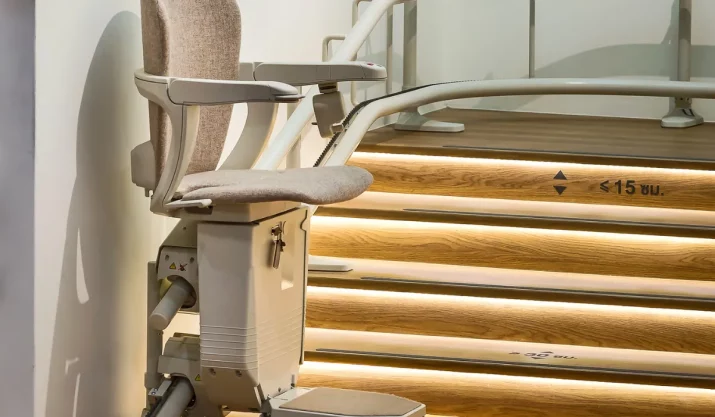
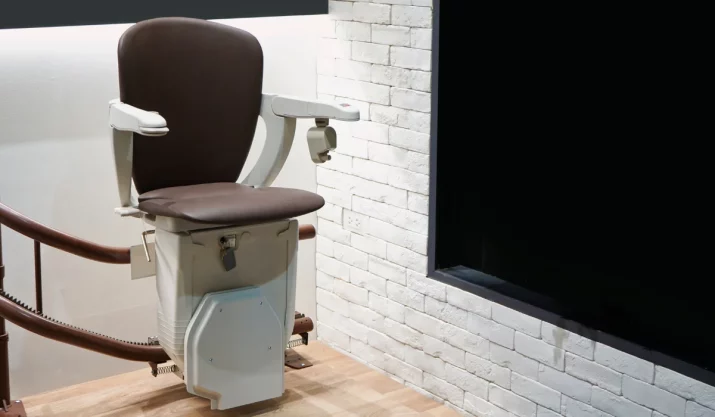
A walker can make movement across a level floor easier, but it can’t solve a staircase, raised entrance, or other structural barrier. When those obstacles start limiting how you use the home, the next step may involve changing the environment rather than changing the walker.
California Mobility helps homeowners and families across California address those larger accessibility problems with stair lifts, ramps, platform lifts, and home lifts. If getting around your home has become more difficult, contact California Mobility to discuss an accessibility solution that fits your space, mobility needs, and daily routine.