


An Activities of Daily Living Checklist for Honest Assessments
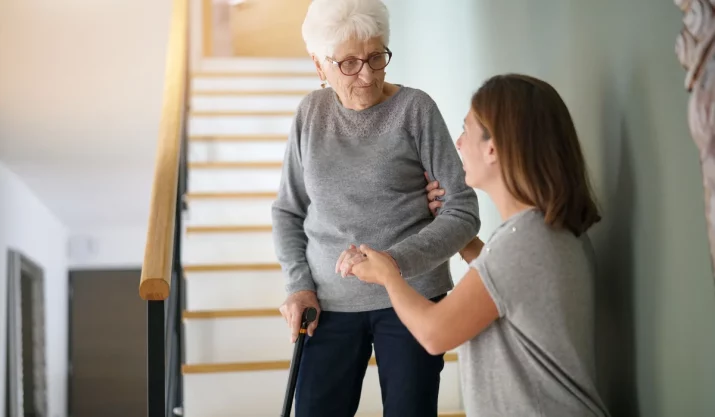
Table of Contents
Changes in daily ability often appear in small ways. A clean shirt stays in rotation because buttons hurt. The upstairs bathroom stops being used because the stairs feel unsteady. Dinner becomes cereal or toast, although the person still says they cook.
An activities of daily living checklist helps families notice these patterns before a fall, medication mistake, or health problem forces a decision. It records what someone can do, where a task becomes difficult, and what type of help may be useful.
The purpose is not to prove that someone has lost independence. A good ADL assessment identifies the smallest amount of support needed to keep daily routines safe and manageable. It can also give doctors, therapists, and caregivers a clearer account of what happens at home.
What Are Activities of Daily Living?
Activities of daily living, or ADLs, are the personal-care tasks needed each day. The six basic areas are bathing, dressing, toileting, transferring, continence, and eating. The Katz Index of Independence in Activities of Daily Living uses these to describe whether a person completes basic care independently or needs supervision or physical assistance.
Completing a task does not always mean it is safe. Someone may dress without help but sit on an unstable surface to pull on pants. A shower may be completed alone, yet the person may depend on a towel rack for balance.
Use One Rating System
Choose one rating for each activity and use the same system during later reviews.
| Rating | What It Means |
|---|---|
| Independent | Completes the task safely without help or reminders |
| Independent with equipment | Uses a walker, grab bar, shower chair, raised seat, or other device |
| Needs supervision | Requires reminders, instructions, or another person nearby |
| Needs partial assistance | Completes part of the task but needs hands-on help |
| Fully dependent | Another person completes most or all of the task |
| Not observed | There is not enough information for an accurate rating |
Rate what happens during an ordinary day. Do not rely on what the person could do last year or on one unusually good afternoon.
Activities of Daily Living Checklist
Use this activities of daily living checklist during familiar routines. A formal test may make someone defensive. Normal activities tend to reveal where the real difficulty lies.
Bathing and Grooming
Check whether the person can:
- Enter and leave the shower or tub
- Wash, rinse, and dry the body
- Brush teeth and complete routine grooming
- Use grab bars or a shower chair safely
Skipped showers, unchanged towels, poor oral care, and fear of stepping into the tub may signal a problem. Record the exact barrier. “Cannot lift the left leg over the tub” is more useful than “needs help bathing.”
Dressing
Check whether the person can:
- Choose clothes that suit the weather
- Put clothing on in the correct order
- Handle buttons, zippers, socks, and shoes
- Stay balanced while dressing
Repeated outfits may reflect hand pain, shoulder stiffness, poor vision, memory changes, or fear of falling. Loose clothing can be a useful adaptation, but the reason for the change still belongs in the assessment.
Toileting and Continence
Check whether the person can:
- Reach the bathroom in time
- Lower and raise clothing
- Sit down, clean, and stand up
- Manage bladder or bowel accidents
Hidden laundry, skin irritation, wet bedding, and repeated nighttime trips deserve attention. Watch the transfer itself. A low toilet, weak legs, joint pain, or dizziness may be the main problem rather than continence.
Transfers and Indoor Mobility
Check whether the person can:
- Rise from a chair or bed
- Move on and off the toilet
- Use a walker, cane, or wheelchair
- Turn and pass through doorways
Rocking several times before standing, pulling on furniture, or dropping heavily into a chair can point to declining strength or balance. Note whether assistance involved a reminder, a steadying hand, or physical lifting.
Eating and Drinking
Check whether the person can:
- Cut food and open containers
- Bring food and drinks to the mouth
- Chew and swallow
- Drink enough fluids during the day
Weight loss, coughing during meals, unopened food, and unfinished drinks may show that help is needed. A person may feed themselves but still depend on someone else to prepare food or open packaging.
Using Stairs
Check whether the person can:
- Approach the stairs without hesitation
- Use the railing
- Lift each foot onto the next step
- Control the trip down
Watch for missed steps, heavy pulling on the railing, crawling, or stopping to catch breath. Sleeping downstairs or washing at the kitchen sink may show that the stairs now control how the home is used.
Basic Activities of Daily Living Checklist for Observation Record
| Activity | Rating | Specific Note |
|---|---|---|
| Bathing and grooming | __________ | __________________________ |
| Dressing | __________ | __________________________ |
| Toileting and continence | __________ | __________________________ |
| Transfers and indoor mobility | __________ | __________________________ |
| Eating and drinking | __________ | __________________________ |
| Using stairs | __________ | __________________________ |
Checking Instrumental Activities of Daily Living (IADL)
ADLs and IADLs measure different parts of daily function. Basic ADLs cover personal care. Instrumental activities of daily living, or IADLs, involve the planning and judgment needed to run a household and participate in the community.
The Lawton Instrumental Activities of Daily Living Scale covers telephone use, shopping, meal preparation, housekeeping, laundry, transportation, medications, and finances. Problems in these areas may appear before personal-care changes become obvious.
Meals and Shopping
Check whether the person can choose food, follow cooking steps, use appliances, store leftovers, make a shopping list, and pay for purchases. Burned pans, spoiled food, an empty refrigerator, or a sudden switch to snacks may reveal difficulty that a simple yes-or-no question would miss.
Medication Management
Ask the person to explain the medication routine. Look for missed doses, duplicate doses, mixed pills, late refills, or confusion about instructions. Medication errors call for prompt attention because even a small mistake may have serious effects.
Transportation and Phone Use
Check whether the person can drive safely, arrange a ride, answer calls, read messages, locate contacts, and call for help. Avoided routes, unexplained vehicle damage, missed appointments, or unanswered messages may indicate a change in vision, memory, reaction time, or confidence.
Money and Household Tasks
Review bill payment, bank statements, laundry, dishes, trash, and basic cleaning. Duplicate payments, unopened mail, scam losses, piles of clothes, and spoiled trash can point to a need for help.
Ask who handles each task today and who handled it six months ago. Family support often hides a change in daily living skills because the household continues to function after someone quietly takes over.
How to Complete an Honest Assessment
Questions that sound like accusations tend to produce defensive answers. “You cannot use the stairs anymore, can you?” asks the person to admit failure. A neutral question gives them room to describe what has changed.
Useful prompts include:
- “Which part of getting dressed takes the most effort?”
- “Show me how you normally get out of this chair.”
- “What do you do when you need something from upstairs?”
- “Walk me through your morning medications.”
- “Has anything changed about the way you shower?”
Give the Person Time
Family members often step in because watching someone struggle feels uncomfortable. Helping too soon can make the person look less capable than they are. Waiting during an unsafe transfer creates a different risk.
Stay close during bathing, transfers, and stair use. Let the person begin, then assist when pain, poor balance, or confusion creates danger. Write down what type of help was given.
Check uncertain activities on more than one day. Sleep, illness, pain, and medication changes can affect performance. Several observations offer a better basis for decisions than one difficult morning.
Take Near-Falls Seriously
A person does not need to land on the floor for an incident to matter. Catching a countertop, missing the final step, or falling back into a chair may signal a growing balance problem.
According to the Centers for Disease Control and Prevention (CDC), more than 14 million adults aged 65 and older fall each year, which is about one in four older adults. Home safety should be part of every senior mobility assessment.
Look for loose rugs, poor lighting, low seats, slippery floors, missing railings, and narrow paths. Match the response to the cause. Brighter lighting may help someone see a stair edge, but it will not correct dizziness or weak legs.
What the Results Can Tell You
Do not turn a family checklist into a homemade medical score. Look for recent changes, repeated problems, and difficulties that affect more than one activity.
| What You Find | A Practical Response |
|---|---|
| One task has become harder | Check for pain, poor lighting, unsuitable footwear, or an awkward room setup |
| Several tasks require reminders | Discuss memory, hearing, medication, or attention changes with a doctor |
| Walking or transfers need hands-on help | Request a physical or occupational therapy assessment |
| Medication or money mistakes have started | Add oversight and arrange a medical review |
| Personal care is being skipped | Ask about pain, fear, fatigue, mood, and bathroom access |
| Stairs block a bedroom or bathroom | Review room placement and safer ways to travel between floors |
| Ability dropped after a hospital stay | Ask about rehabilitation and repeat the checklist during recovery |
| Ability changed within hours or days | Seek medical attention rather than assuming the change is part of aging |
Sudden confusion, new weakness, slurred speech, chest pain, severe shortness of breath, or an abrupt inability to stand requires prompt medical attention.
When the Home Creates the Barrier
Sometimes the person can perform the movement, but the room makes it harder. A low sofa can turn standing into a two-person transfer. A narrow bathroom may leave no space for a walker. A second-floor bedroom becomes difficult to use when the stairs are no longer safe.
Small changes may be enough. A stable chair, brighter lighting, a second railing, or a clear walkway can reduce strain. Larger access problems may call for a stairlift, wheelchair lift, room change, or domestic lift.
Repeat the activities of daily living assessment after a fall, hospital stay, surgery, new diagnosis, medication change, or clear shift in routine. Using the same ratings each time helps families see whether the problem is temporary, stable, or getting worse.
Planning Safer Access Between Floors
When stairs block access to a bedroom, bathroom, or shared living area, the problem affects daily care. It may change where someone sleeps, how often they bathe, and how much of the home remains usable.
A stairlift carries a seated rider along the staircase. Some home lifts can carry a wheelchair or allow another person to travel alongside, depending on the model’s dimensions and weight capacity. A home visit can identify which option matches the person’s mobility and the building layout.
California Mobility helps California homeowners compare stairlifts, wheelchair lifts, and residential lifts for safer aging in place. Contact us to arrange a home mobility consultation.