

Footrest safety tips for San Diego stair lift users
Table of Contents
- Why the footrest matters more than most people think
- Stair lift footrest safety basics every rider should know
- Checking your footrest for wear and damage
- Tips for caregivers helping a loved one ride
- When to call for service
- Get help from a local team that knows San Diego homes
- Frequently Asked Questions
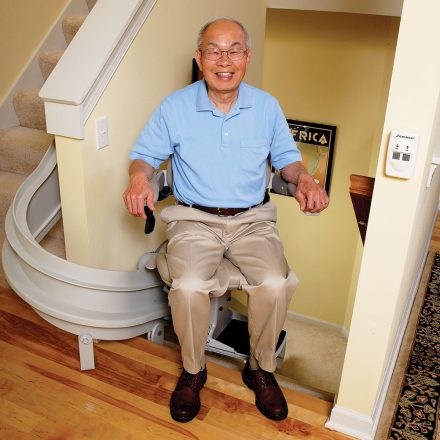
A stair lift is only as safe as the person using it — and the footrest is one of the most overlooked parts of the whole ride. Getting this one detail right can mean the difference between a smooth trip up the stairs and a painful stumble. These stair lift footrest safety tips will help San Diego riders stay steady every single time.
Key Takeaways
- Always fold the footrest down completely before sitting, and fold it back up before standing.
- Keep both feet flat and still on the footrest for the entire ride — no dangling or shifting.
- Inspect the footrest regularly for damage, loose parts, or debris that could cause slipping.
- San Diego’s coastal air and outdoor stair environments can speed up wear on footrest hardware — check more often if your lift is exposed to salt air.
Why the footrest matters more than most people think
Most riders focus on the seat, the seatbelt, and the armrests. The footrest doesn’t get much attention — until something goes wrong.
Your feet carry a lot of your body’s weight when you’re getting on and off. If the footrest is folded up when you try to sit down, or if it’s wobbly when you stand back up, your balance is already off before you even move. That’s when falls happen.
Stair lift manufacturers design footrests to work in a specific sequence. When you follow that sequence every time — footrest down, sit, ride, stand, fold up — the lift does its job well. Skip a step, and the risk goes up.
Stair lift footrest safety basics every rider should know
Fold it down before you sit
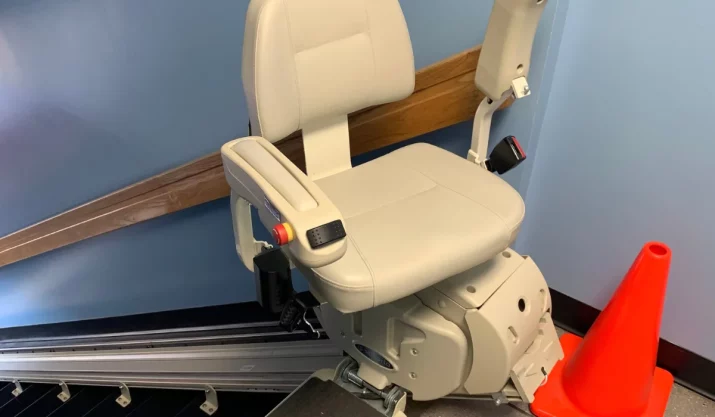
This sounds simple, but it’s easy to forget, especially first thing in the morning or when you’re in a hurry. Before you lower yourself onto the seat, make sure the footrest is fully extended and locked in the down position.
A footrest that’s halfway down isn’t stable. Your feet may slide, or the footrest could flip back up under your weight.
Keep both feet on the footrest the whole ride
Once you’re seated and moving, both feet should stay flat on the footrest. Don’t let them hang. Don’t cross your ankles. Don’t rest one foot on a stair while you ride.
Letting a foot slip off — or drag against a stair — can throw off your balance at exactly the wrong moment.
Fold it back up before you stand
When the lift reaches the top or bottom, don’t stand until you’ve folded the footrest back up. This gets the footrest out of your path so you can step away from the lift without tripping over it.
Many newer models fold the footrest up automatically. Even so, it’s worth double-checking before you stand. Don’t assume the mechanism did its job.
Checking your footrest for wear and damage
What to look for
Once a week, take a quick look at the footrest before you use the lift. You’re checking for:
- Cracks or breaks in the platform itself
- Loose hinges — the footrest should feel solid, not wobbly, when it’s down
- Worn or slippery surface — most footrests have a textured or rubber surface to grip your shoes; if it’s worn smooth, your feet can slide
- Debris or grit — dirt, sand, or small objects on the footrest surface are a slip hazard
If anything looks off, stop using the lift and call your stair lift provider before the next ride.
San Diego’s environment adds extra wear
San Diego’s coastal neighborhoods — Ocean Beach, La Jolla, Mission Hills, and many others — deal with salt air that can quietly corrode metal parts over time. If your lift is outdoors or in a home close to the water, footrest hinges and hardware can loosen or rust faster than you’d expect.
Outdoor stair lifts are built to handle more exposure, but they still need regular checks. If you’ve noticed any stiffness, squeaking, or play in the footrest hinge, that’s worth a service call.
For indoor lifts, San Diego’s humidity swings — especially in coastal zip codes — can cause materials to expand and contract. That movement can loosen hardware over years of use. Indoor stair lifts should get a professional inspection at least once a year.
Tips for caregivers helping a loved one ride
If you’re helping a parent or family member use their stair lift, here’s a quick routine to build:
- Before the ride: Check that the footrest is locked in the down position before your loved one sits.
- During the ride: Stand nearby but don’t hold the lift or the rider — let the lift do its job.
- After the ride: Wait for the footrest to fold up, then offer a hand as they stand and step away.
It’s also worth asking your loved one how the footrest feels. Sometimes a rider notices something feels “off” but doesn’t mention it. A wobbly footrest or a surface that feels slippery is worth reporting right away.
When to call for service
Don’t wait until something breaks. If the footrest feels loose, doesn’t lock into position, or the surface looks worn, schedule a service visit. Most issues are simple fixes when caught early.
If you’re not sure whether your current lift is still the right fit — or if a family member needs a different mobility solution — it may be worth looking at other options too, like vertical platform lifts or Home Lifts for multi-level homes.
Get help from a local team that knows San Diego homes
California Mobility has helped families throughout San Diego find the right stair lift and keep it running safely. Whether you need a new installation, a service visit, or just want to talk through your options, we’re here to help.
Request a free quote online or call us at (916) 560-0607. We’re a family-owned company, and we treat every customer like one.
Frequently Asked Questions
How often should I inspect my stair lift footrest? A quick visual check once a week takes less than a minute and can catch problems early. Look for cracks, loose hinges, worn grip surfaces, and any debris. If your lift is near San Diego’s coast and exposed to salt air, check more frequently — salt air speeds up wear on metal parts.
What should I do if the footrest won’t stay in the down position? Stop using the lift until the issue is fixed. A footrest that won’t lock down isn’t safe to ride on. Contact your stair lift provider to schedule a service call. This is typically a hinge or locking mechanism issue that a technician can repair quickly.
Is it safe to use a stair lift if the footrest surface is worn smooth? It’s not recommended. The textured or rubber surface on a footrest is there to keep your feet from sliding. Once that grip is worn down, there’s real risk of your feet slipping during the ride or when you stand. Replacement footrest pads are usually a straightforward fix — ask your service technician about it.
My stair lift is outdoors on a deck in San Diego. Does the footrest need different care? Yes. Outdoor lifts face more exposure to moisture, salt air, and temperature changes than indoor units. Check the footrest hardware for rust or corrosion every few weeks, and wipe the surface clean of dirt and moisture after heavy use. An annual professional service visit is a good idea for any outdoor lift. You can learn more about outdoor lift options at californiamobility.com.